• → European Space Agency

      • Space for Europe
      • Space News
      • Space in Images
      • Space in Videos
    • About Us

      • Welcome to ESA
      • DG's News and Views
      • For Member State Delegations
      • Business with ESA
      • ESA Exhibitions
      • ESA Publications
      • Careers at ESA
    • Our Activities

      • Space News
      • Observing the Earth
      • Human Spaceflight
      • Launchers
      • Navigation
      • Space Science
      • Space Engineering
      • Operations
      • Technology
      • Telecommunications & Integrated Applications
    • For Public

    • For Media

    • For Educators

    • For Kids

    • ESA

    • Space Science

    • Our Universe
    • About Space Science
    • ESA's 'Cosmic Vision'
    • Science missions
    • Mission navigator
    • Target groups
    • For Media
    • For Scientists
    • For Kids
    • Multimedia
    • Science images
    • Science videos
    • Animations
    • Downloads
    • Sounds from space
    • Resources
    • Reference section
    • Services
    • FAQs
    • Glossary
    • Help
    • Portal terms of use
    • Comments
    • ESA Press Releases
    • Follow us
    • RSS feeds
    • ESA Sci on Twitter
    • ESA Space Science Images on Flickr
    • ESA 3D on Flickr

    ESA > Our Activities > Space Science

    Space science image of the week 2012 competition winner

    How many moons?

    31 December 2012

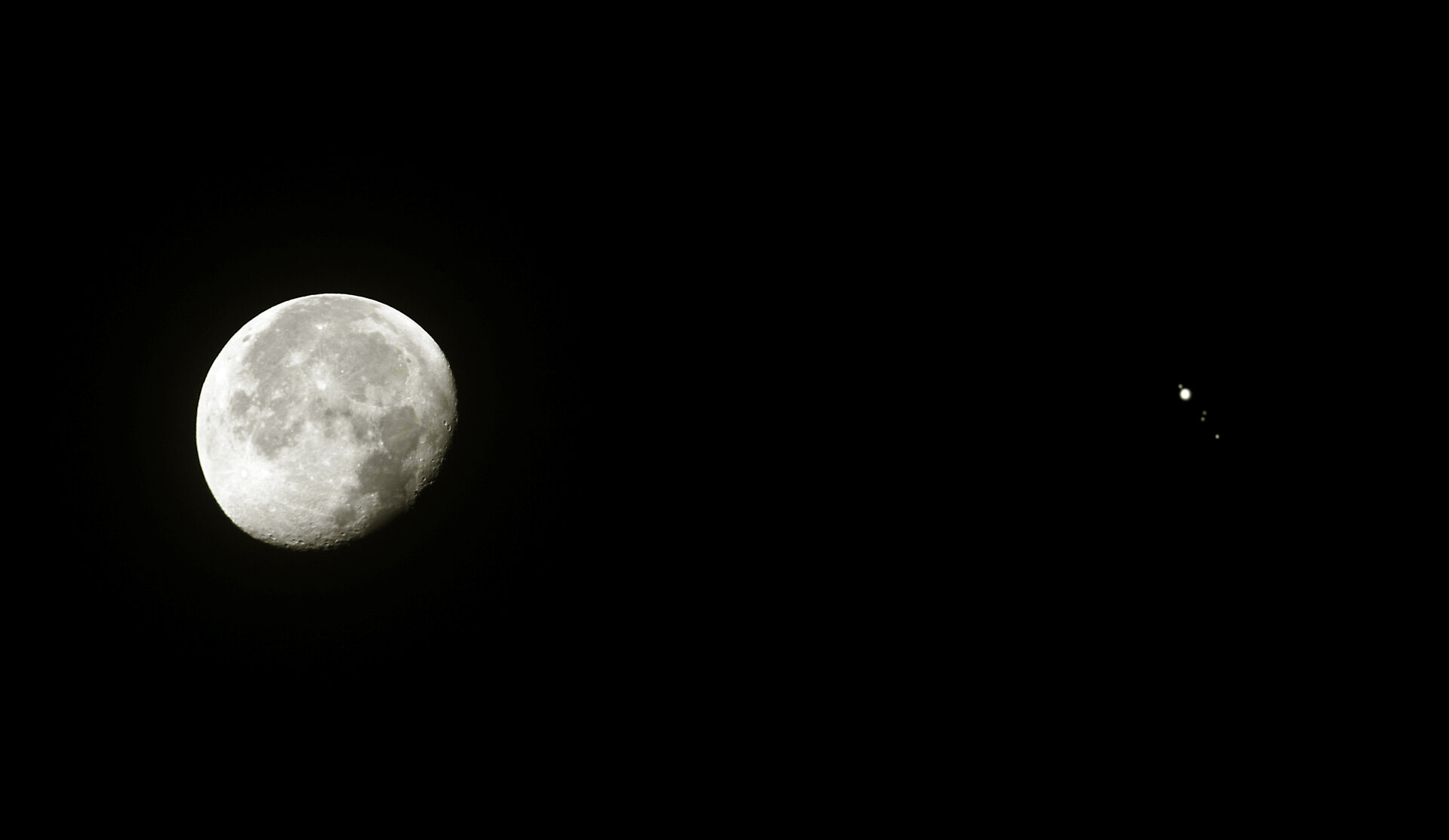
    From over 120 stunning entries to our first Space Science Image of the Week competition, our panel of judges has chosen this beautiful composition of the conjunction of Jupiter and its four large satellites with our own Moon as the winning image of 2012.

    The image was composed by Antonio Peña from Madrid, Spain, as Jupiter and the Moon met in the sky on 2 November 2012.

    It is a composite of two images taken with different exposure times in order to bring out the details of both the bright Moon and the comparatively faint satellites around Jupiter.

    Our judges found beauty in how delicate Jupiter and its moons appear compared to Earth’s Moon, which seems to dwarf the largest planet in the Solar System in this scene, thanks to the vast distance between them.


    Visit the Flickr gallery for full captions and credits.

    The entries covered such a wide range of themes that our judges selected an additional twelve images to highlight the impressive array of celestial subjects that captivated your imaginations this year.

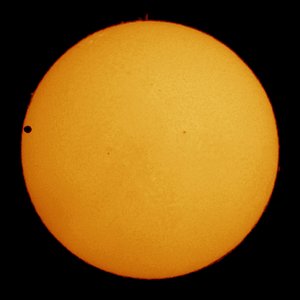
    The images cover rare events such as the recent total solar eclipse and the transit of Venus, to deep-sky images that show off the beauty of our Milky Way Galaxy and its celestial neighbours.

    Thank you to all our entrants, from all over the world, and we wish you clear skies for 2013!
    Rate this

    Views

    Share

    • Currently 5 out of 5 Stars.
    • 1
    • 2
    • 3
    • 4
    • 5
    Rating: 5/5 (7 votes cast)

    Thank you for rating!

    You have already rated this page, you can only rate it once!

    Your rating has been changed, thanks for rating!

    1732
    facebook
    twitter
    reddit
    google plus
    digg
    tumbler
    digg
    blogger
    myspace

    Related articles

    Snap the stars to see your photo on ESA portal16 November 2012

    Snap the stars to see your photo on ESA portal16 November 2012 Have you taken an interesting astronomical photo this year? From planets and moons to the Sun, stars and galaxies, we’d like you to send us your images to feature as our Space Science Image of the Week on 31 December.

    • Space Science Image of the Week Archive
    • Space Live
      Space Live
      Space science image gallery
    • Follow us
    • ESA Space Science Image of the Week on Flickr
    • ESA 3D on Flickr
    • ESA Sci on Twitter

    Connect with us

    • RSS
    • Youtube
    • Twitter
    • Flickr
    • Google Buzz
    • Subscribe
    • App Store
    • ESA Science Twitter

    Follow ESA science

    • LATEST ARTICLES
    • · CryoSat hits land
    • · Ariane 5 completes seven launches …
    • · Measuring skull pressure without t…
    • · Malargüe station inauguration
    • · The solar wind is swirly
    • FAQ

    • Jobs at ESA

    • Site Map

    • Contacts

    • Terms and conditions