• → European Space Agency

      • Space for Europe
      • Space News
      • Space in Images
      • Space in Videos
    • About Us

      • Welcome to ESA
      • DG's News and Views
      • For Member State Delegations
      • Business with ESA
      • ESA Exhibitions
      • ESA Publications
      • Careers at ESA
    • Our Activities

      • Space News
      • Observing the Earth
      • Human Spaceflight
      • Launchers
      • Navigation
      • Space Science
      • Space Engineering
      • Operations
      • Technology
      • Telecommunications & Integrated Applications
    • For Public

    • For Media

    • For Educators

    • For Kids

    • ESA

    • Space Science

    • Our Universe
    • About Space Science
    • ESA's 'Cosmic Vision'
    • Science missions
    • Mission navigator
    • Target groups
    • For Media
    • For Scientists
    • For Kids
    • Multimedia
    • Science images
    • Science videos
    • Animations
    • Downloads
    • Sounds from space
    • Resources
    • Reference section
    • Services
    • FAQs
    • Glossary
    • Help
    • Portal terms of use
    • Comments
    • ESA Press Releases
    • Follow us
    • RSS feeds
    • ESA Sci on Twitter
    • ESA Space Science Images on Flickr
    • ESA 3D on Flickr

    ESA > Our Activities > Space Science

    Reflecting on XMM-Newton

    Reflecting on XMM-Newton

    10 December 2012

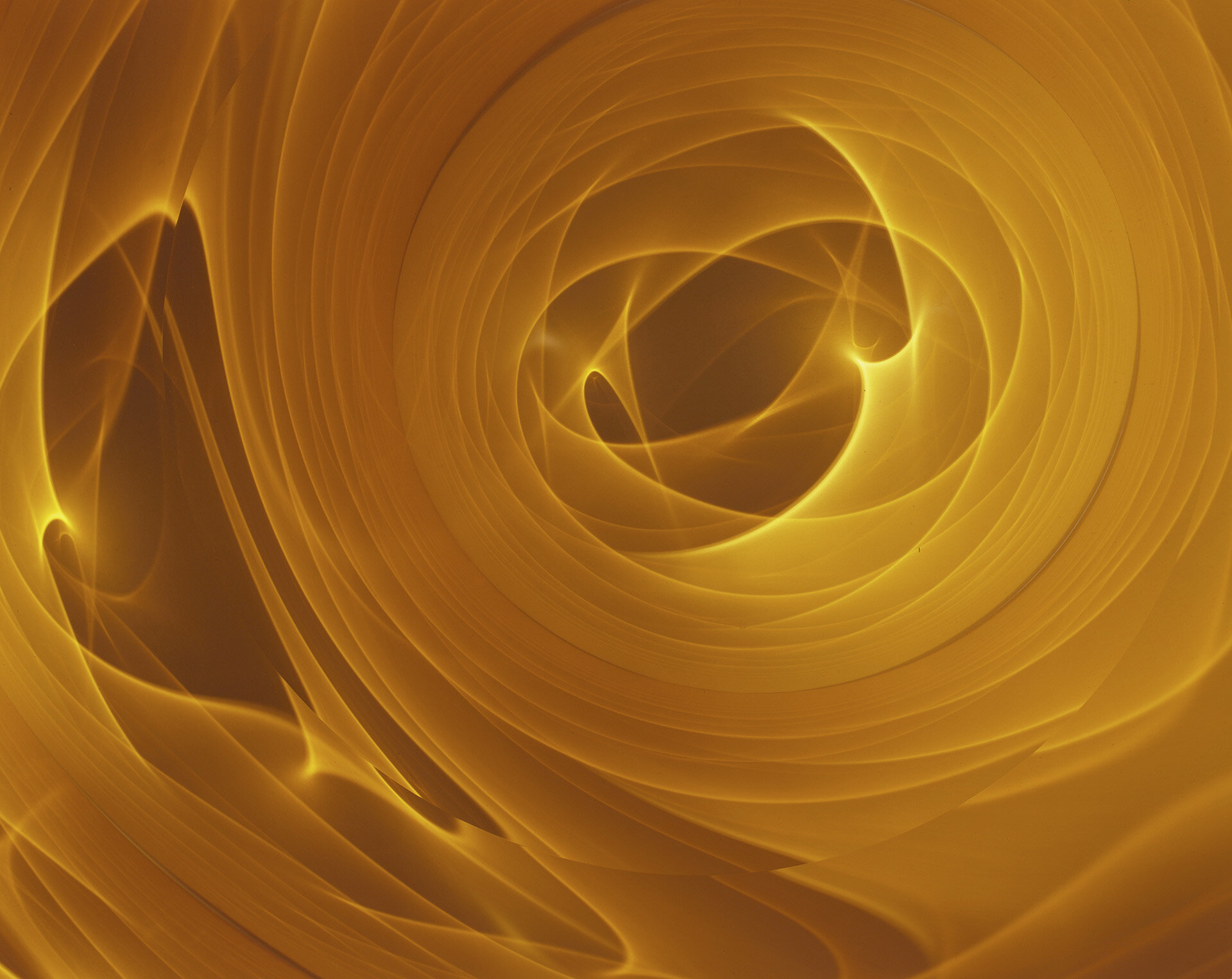
    Reflection patterns off one of the gold-plated spare mirrors of ESA’s XMM-Newton X-ray space telescope shows a side of the mission rarely seen.

    Captivating images of supernova remnants, stellar explosions and black hole environments are just some of the high-energy phenomena that go hand-in-hand with XMM-Newton. 

    By contrast, this image shows the journey that light particles from these objects might make on their way to the space telescope’s detectors.

    In this artistic shot patterns are created by light reflected in one of the gold-plated mirrors. XMM-Newton’s three telescopes each contain 58 mirrors like this, and are among the most powerful ever developed.

    The mirrors are only one millimetre thick and nested inside one another, rather like the layers of a leek. This construction earned the mission its name: X-ray Multi-Mirrors, while also honouring the physicist Sir Isaac Newton.

    The mirrors are curved in such a way to ensure that the incoming X-rays are reflected twice and focused onto a detector in a single point.

    XMM-Newton was launched on 10 December 1999, exactly 13 years ago today, and is still working well in orbit around Earth. 

    The mission has detected more X-ray sources than any previous satellite. Highlights include the discovery of a black hole weighing more than 500 Suns that provided the missing link between lighter stellar-mass and heavier supermassive black holes.

    It has also made the first close-up investigation of a white dwarf star circling a companion star that could explode into a particular kind of supernova in a few million years. This breed of supernova is used as a beacon to measure cosmic distances and ultimately understand the expansion of our Universe.
    Rate this

    Views

    Share

    • Currently 5 out of 5 Stars.
    • 1
    • 2
    • 3
    • 4
    • 5
    Rating: 5/5 (10 votes cast)

    Thank you for rating!

    You have already rated this page, you can only rate it once!

    Your rating has been changed, thanks for rating!

    1956
    facebook
    twitter
    reddit
    google plus
    digg
    tumbler
    digg
    blogger
    myspace
    • Space Science Image of the Week Archive
    • Space Live
      Space Live
      Space science image gallery
    • More about...
      • XMM-Newton overview
      • In depth
      • XMM-Newton in-depth
      • Follow us
      • ESA Space Science Image of the Week on Flickr
      • ESA 3D on Flickr
      • ESA Sci on Twitter

    Connect with us

    • RSS
    • Youtube
    • Twitter
    • Flickr
    • Google Buzz
    • Subscribe
    • App Store
    • ESA Science Twitter

    Follow ESA science

    • LATEST ARTICLES
    • · CryoSat hits land
    • · Ariane 5 completes seven launches …
    • · Measuring skull pressure without t…
    • · Malargüe station inauguration
    • · The solar wind is swirly
    • FAQ

    • Jobs at ESA

    • Site Map

    • Contacts

    • Terms and conditions