• → European Space Agency

      • Space for Europe
      • Space News
      • Space in Images
      • Space in Videos
    • About Us

      • Welcome to ESA
      • DG's News and Views
      • For Member State Delegations
      • Business with ESA
      • ESA Exhibitions
      • ESA Publications
      • Careers at ESA
    • Our Activities

      • Space News
      • Observing the Earth
      • Human Spaceflight
      • Launchers
      • Navigation
      • Space Science
      • Space Engineering
      • Operations
      • Technology
      • Telecommunications & Integrated Applications
    • For Public

    • For Media

    • For Educators

    • For Kids

    • ESA

    • SMART-1

    • ESA Science

    • About SMART-1
    • SMART-1 factsheet
    • Towards final impact
    • Approaching the mission end
    • Frequently Asked Questions
    • Ask about the SMART-1 impact
    • Join the SMART-1 impact observation campaign
    • About the journey

      • The magic of ion engines
      • The SMART way to travel
      • A spiral pathway to the Moon
    • About the mission

      • Masterpieces of miniaturisation
      • What do all the instruments do?
    • About the Moon

      • Welcome to the double planet
      • Lunar science - still plenty left to do!
      • Where did the Moon come from?
    • Multimedia
    • SMART-1 images
    • SMART-1 videos
    • SMART-1 animations
    • 3D Flash 'model'
    • SMART-1 wallpaper
    • Launch replay
    • Services
    • Comments

    ESA > Our Activities > Space Science > SMART-1

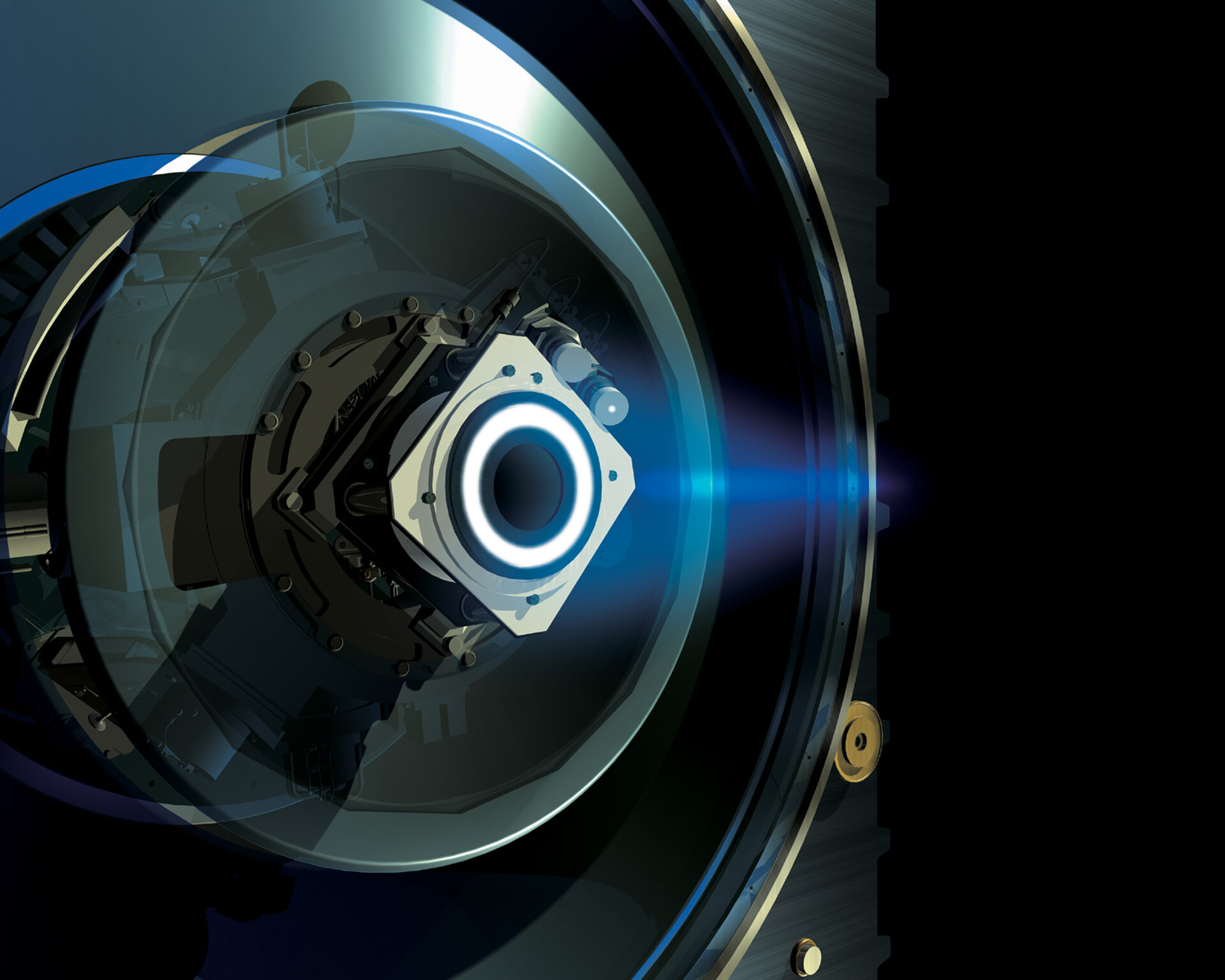
    Artist's impression of SMART-1 ion engine

    The magic of ion engines

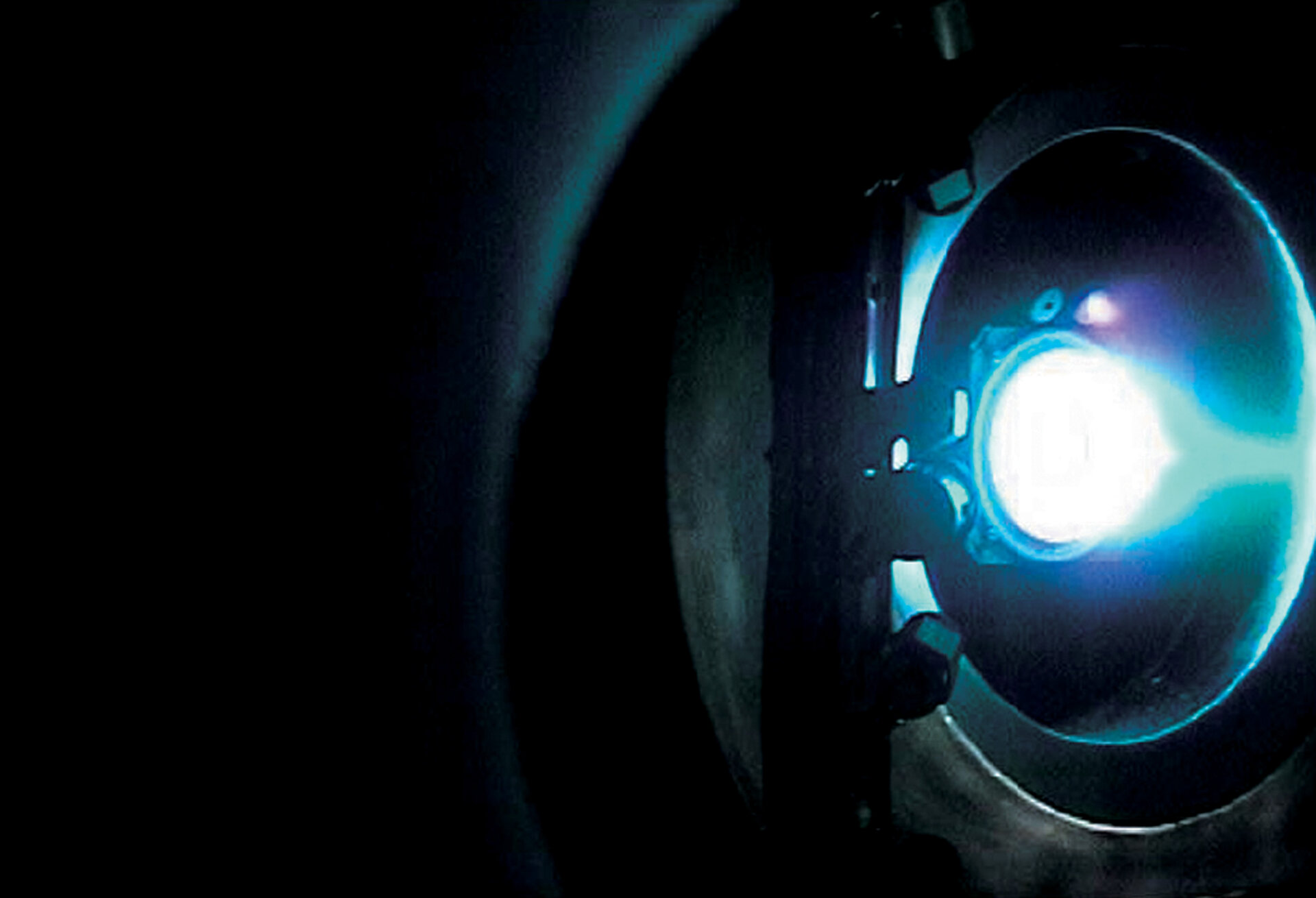
    Operating in the near vacuum of space, ion engines shoot out a propellant gas much faster than the jet of a chemical rocket. They deliver about ten times as much thrust per kilo of propellant used. The ions that give the engines their name are charged atoms, accelerated by a choice of electric guns. If the power comes from the spacecraft's solar panels, the technique is called 'solar-electric propulsion'.

    ESA's Artemis
    ESA's Artemis

    Ion engines work their magic in a leisurely way. As solar panels of a normal size supply only a few kilowatts of power, a solar-powered ion engine cannot compete with the whoosh of a chemical rocket. But a typical chemical rocket burns for only a few minutes. An ion engine can go on pushing gently for months or even years - for as long as the Sun shines and the small supply of propellant lasts.


    In 1998, NASA launched a demonstration spacecraft called Deep Space 1, which flew by a near-Earth asteroid and went on to intercept a comet. ESA's SMART-1, with much less chemical boost, has gone only as far as the Moon. But it has served to demonstrate more subtle operations of the kind needed in distant missions. These will combine solar-electric propulsion with manoeuvres using the gravity of planets and moons.

    By Sun power towards the Sun

    SMART-1 looks set to ensure Europe's competence in the use of electric propulsion, and its independence in this 21st century space technology of the 21st Century.

    BepiColombo, ESA's future mission to the innermost planet Mercury, near to the Sun, will use ion engines to speed it on its way.

    The Solar Orbiter, which will swoop even closer to the Sun for close-up views, will use the same type of ion drive as BepiColombo.

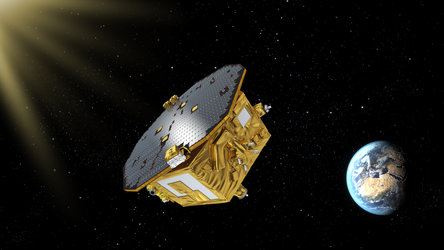
    Other space science missions are expected to use ion engines for complex manoeuvres in the vicinity of the Earth's orbit, including LISA, a mission that which will detect gravitational waves coming from the distant Universe.
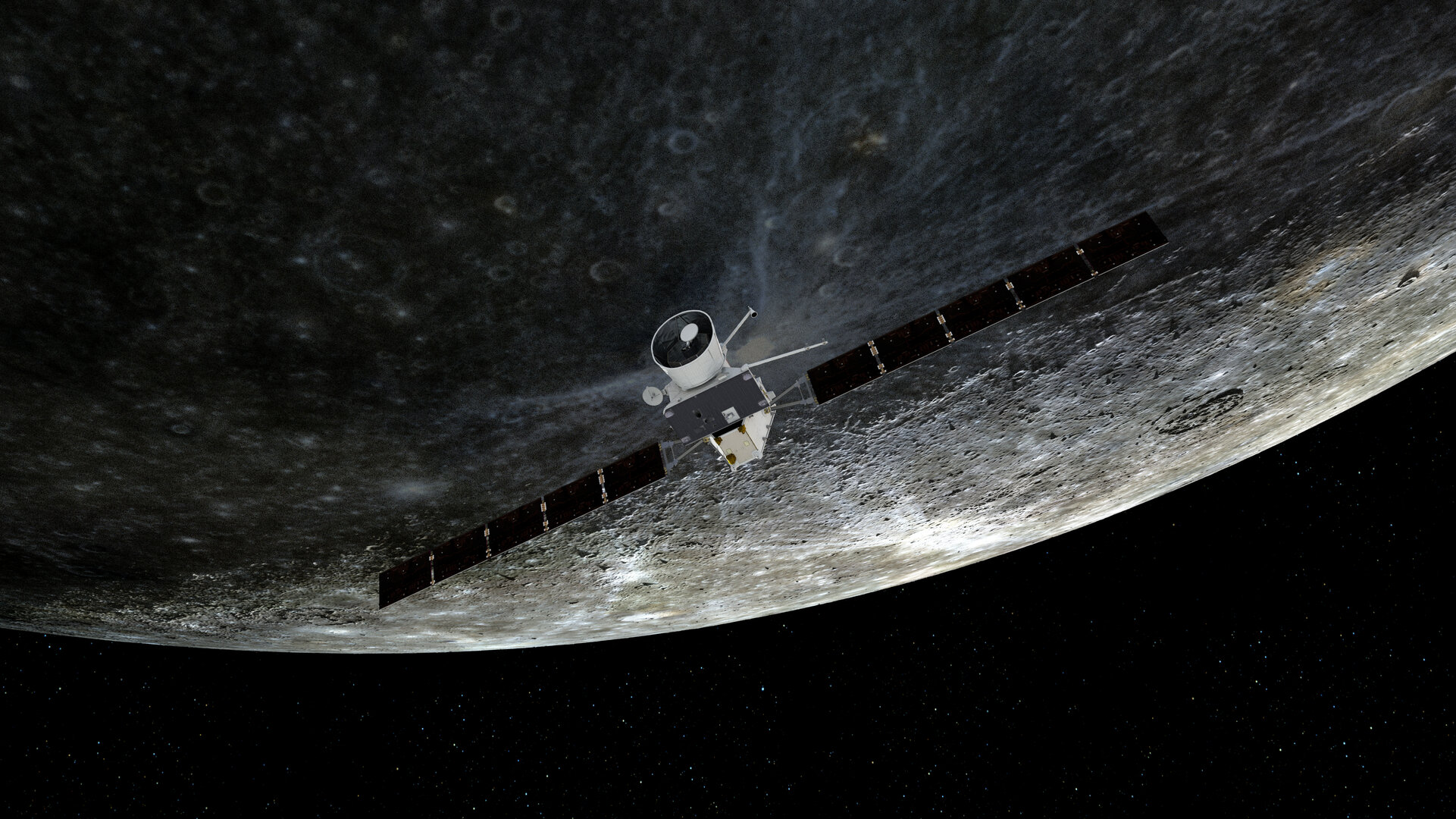
    BepiColombo
    Solar Orbiter
    The SMART-1 ion engine being test fired

    Last update: 31 August 2006

    Rate this

    Views

    Share

    • Currently 0 out of 5 Stars.
    • 1
    • 2
    • 3
    • 4
    • 5
    Rating: 0/5 (0 votes cast)

    Thank you for rating!

    You have already rated this page, you can only rate it once!

    Your rating has been changed, thanks for rating!

    27
    facebook
    twitter
    reddit
    google plus
    digg
    tumbler
    digg
    blogger
    myspace
    • Related links
    • BepiColombo
    • LISA
    • Solar Orbiter
    • Related articles
      • Ion engine gets SMART-1 to the Moon

    Connect with us

    • RSS
    • Youtube
    • Twitter
    • Flickr
    • Google Buzz
    • Subscribe
    • App Store
    • LATEST ARTICLES
    • · CryoSat hits land
    • · Ariane 5 completes seven launches …
    • · Measuring skull pressure without t…
    • · Malargüe station inauguration
    • · The solar wind is swirly
    • FAQ

    • Jobs at ESA

    • Site Map

    • Contacts

    • Terms and conditions