Why explore space?
Why should we explore space? Why should money, time and effort be spent researching something with apparently so few benefits? Why should resources be spent on space rather than on conditions and people on Earth?
Perhaps the best answer lies in our history. What made our ancestors move from the trees onto the plains? Did a wider distribution of our species offer a better chance of survival?
Nearly all successful civilisations have been willing to explore. In exploring, the dangers of surrounding areas may be identified and prepared for. Without knowledge, these dangers have the ability to harm us. With knowledge, their effects or consequences may be lessened.

While many resources are spent on what seems a small return, the exploration of space allows new resources to be created. Resources translate into success at survival. Resources may be more than physical assets.
Knowledge or techniques acquired in exploring or preparing to explore always filter from the developers to the general population.
Techniques may be medical applications, such as new drugs or ways of living to increase the quantity or the quality of time lived. Techniques may be social, allowing the people in a society to better understand those within or outside that culture.

ESA’s space programme is a strategic asset. ESA does what individual European nations cannot do on their own.
Scientists from European nations can function at world-class level in their specialist fields, in co-operation rather than competition.
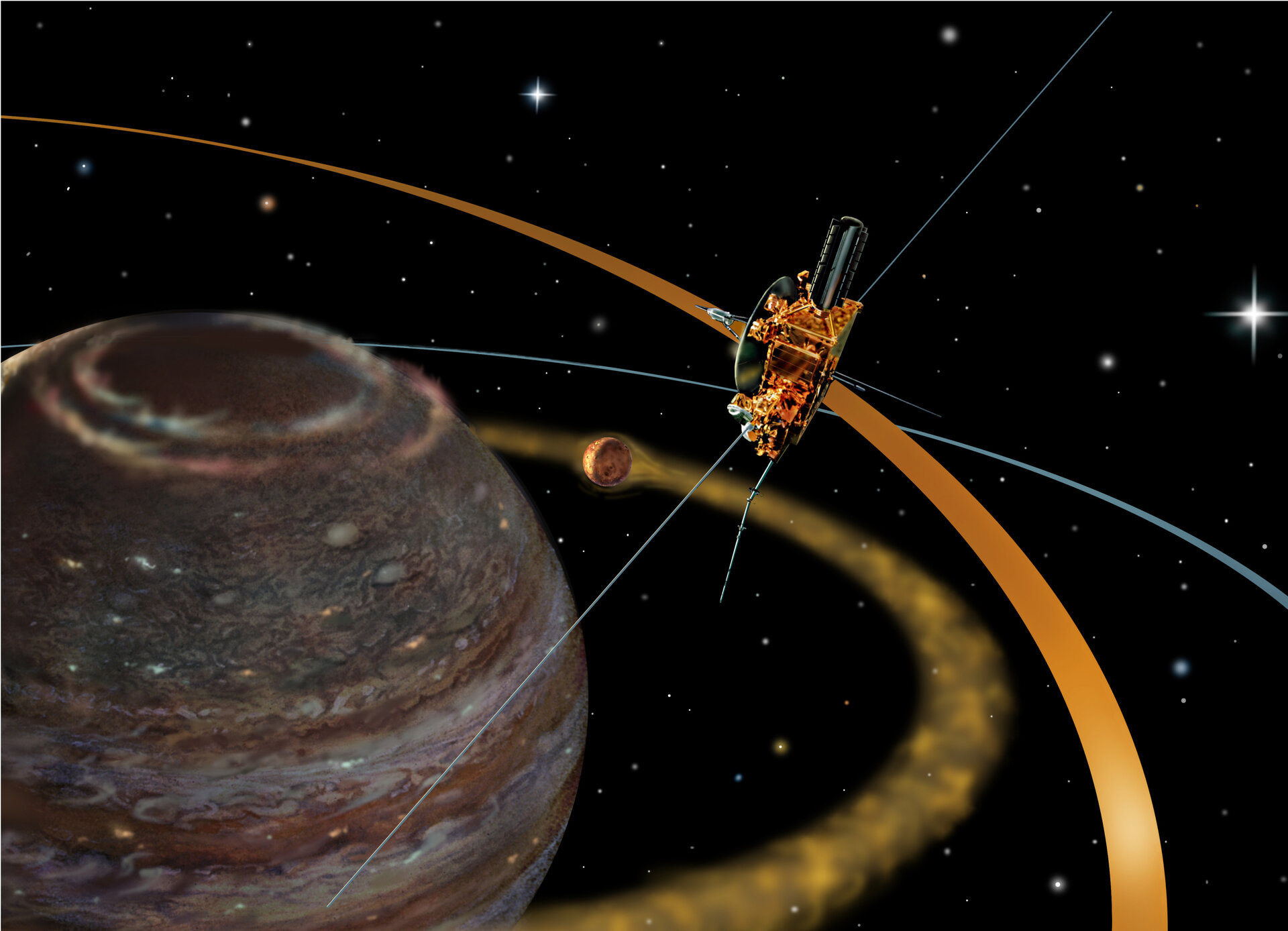
By studying alien worlds, such as Venus, Mars or Saturn’s moon Titan, we can place our own world in context. ESA’s exploration of the Solar System is focused on understanding the Earth’s relationship with the other planets, essential stepping stones for exploring the wider Universe.
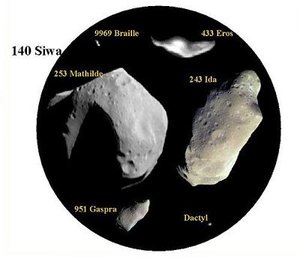
While space may hold many wonders and explanations of how the universe was formed or how it works, it also holds dangers. The chance of a large asteroid or comet hitting the Earth is small. But given time, it will happen.
Some explanations for extinctions and evolution include strikes by asteroids or comets. Our technology is reaching the point where we can detect such a threat and might be able to do something about it.
The dangers exist and knowledge can allow us as a species to survive. Without the ability to reach out across space, the chance to save ourselves might not exist.
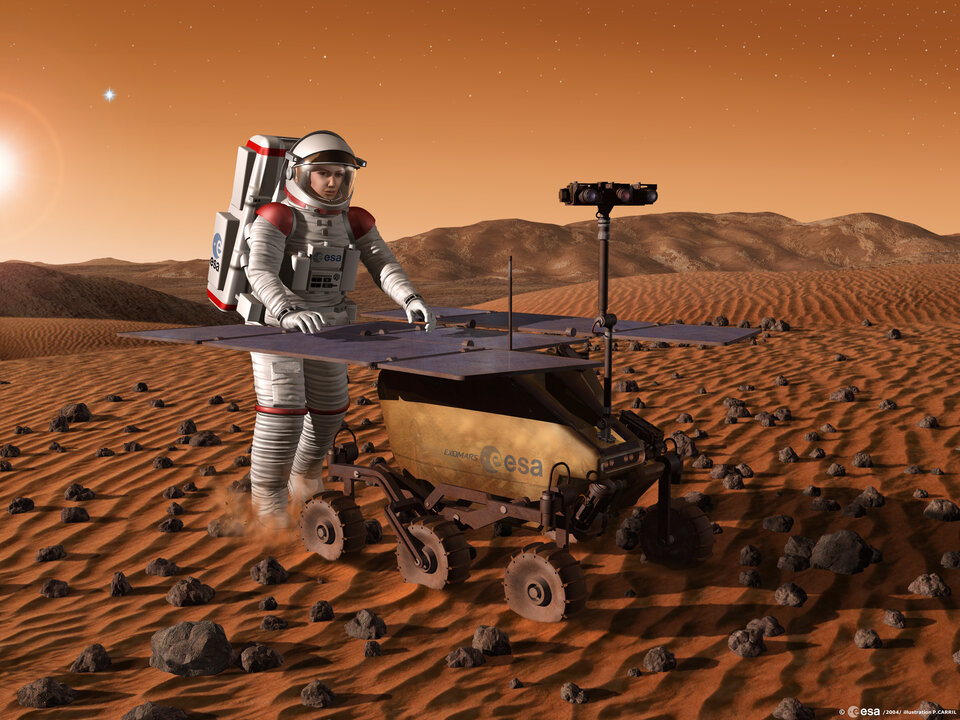
Earth is the only planet known to sustain life, but our ability to adapt could eventually allow us to inhabit other planets and moons.
Our lifestyles would be different, but human life and cultures have adapted in the past and surely could in the future. Space allows us to expand and succeed.