• → European Space Agency

      • Space for Europe
      • Space News
      • Space in Images
      • Space in Videos
    • About Us

      • Welcome to ESA
      • DG's News and Views
      • For Member State Delegations
      • Business with ESA
      • ESA Exhibitions
      • ESA Publications
      • Careers at ESA
    • Our Activities

      • Space News
      • Observing the Earth
      • Human Spaceflight
      • Launchers
      • Navigation
      • Space Science
      • Space Engineering
      • Operations
      • Technology
      • Telecommunications & Integrated Applications
    • For Public

    • For Media

    • For Educators

    • For Kids

    • ESA

    • Technology

    • Technology Transfer

    • About technology
    • Foundation of innovation
    • A solid investment
    • Going up
    • Competitive edge
    • Supporting science
    • Giant leaps
    • Cross-Cutting Initiatives
    • Strategy and harmonisation
    • About strategy and harmonisation
    • Generic technology programmes
    • Basic Technology Research Programme (TRP)
    • General Support Technology Programme (GSTP)
    • Technology Transfer Programme (TTP)
    • European Components Initiative (ECI)
    • Technology in domain programmes
    • Technology in Domain programmes
    • Services
    • ESA Conferences
    • RSS feeds
    • Subscribe

    ESA > Our Activities > Technology

    AIS on ISS

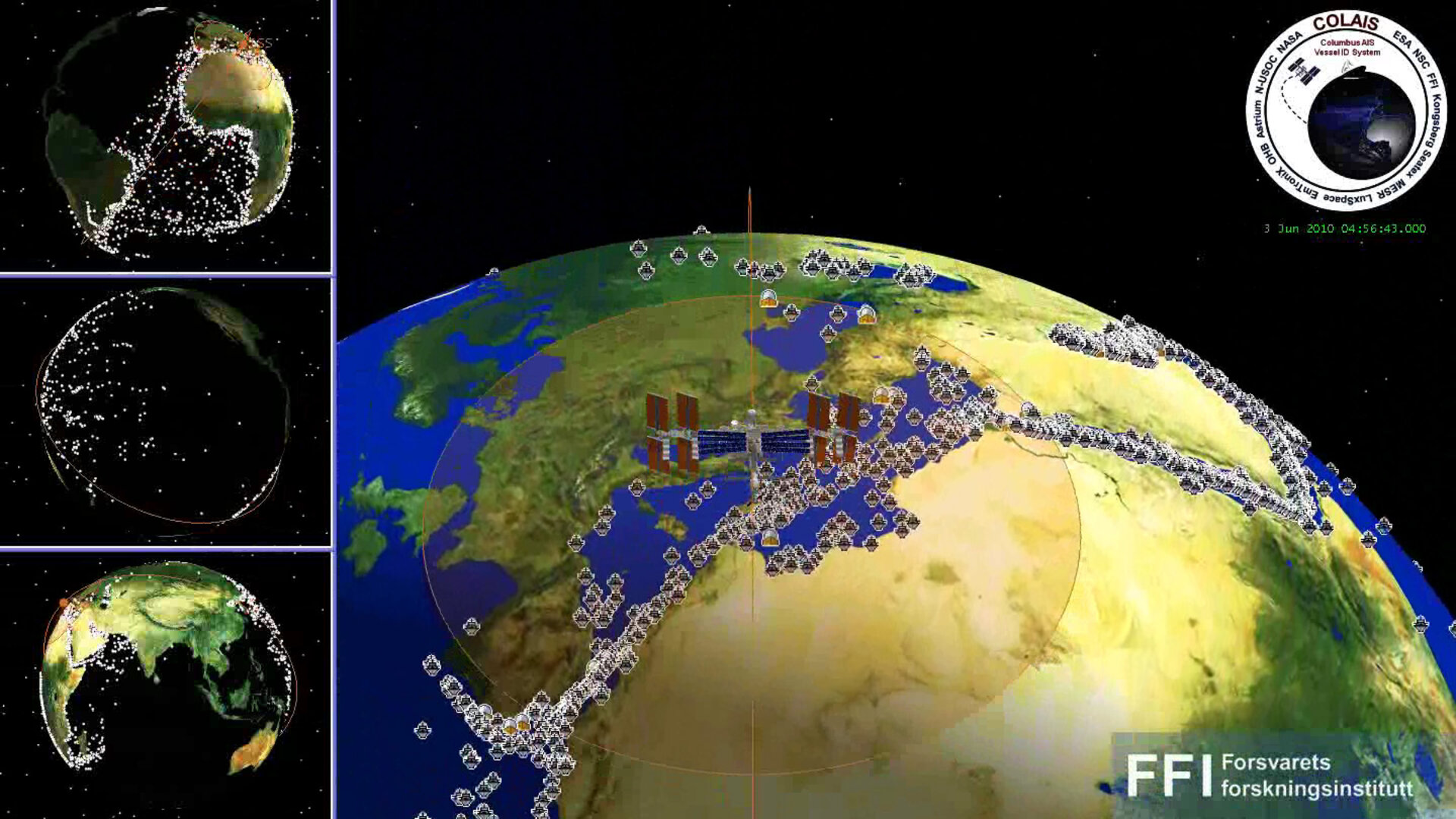
    ISS detecting Mediterranean vessels

    A two-year experiment hosted by ESA’s Columbus module on the International Space Station is evaluating techniques to monitor sea-going traffic from orbit.

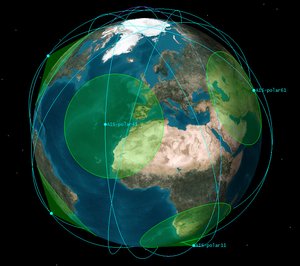
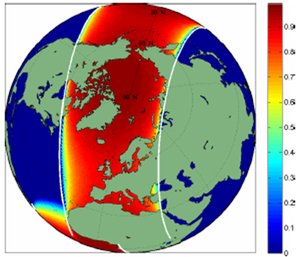
    The Columbus AIS (COLAIS) experiment began in June 2010, detecting signals from Automatic Identification System (AIS) transponders carried on a mandatory basis by all commercial vessels. The maritime equivalent of air traffic control, the VHF-based AIS has a low horizontal range on the order of 40 nautical miles, meaning it is only effective within coastal zones and on a ship-to-ship basis.

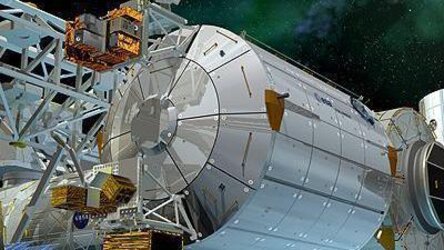
    But AIS propagates much further vertically – all the way up to Earth orbit. This fact offers a means to fill in current AIS blind spots in the open ocean, provided useful data can be extracted from overlapping signals. To verify the concept of an operational AIS-detecting satellite constellation, ESA has installed an AIS antenna outside Columbus, employed by a pair of internal receivers on an alternating three-monthly basis.

    The NORAIS receiver is the work of the Norwegian (FFI) and Norwegian company while the LUXAIS receiver has been developed by Luxembourg-based firms LUXSPACE and EmTroniX. The receiver operate on an alternating three-monthly basis, running continuously to give a global overview of ship traffic and gather sample signals to test decoding algorithms against. The COLAIS experiment is overseen from the ground requiring no active astronaut support.

    Last update: 2 August 2010

    Rate this

    Views

    Share

    • Currently 0 out of 5 Stars.
    • 1
    • 2
    • 3
    • 4
    • 5
    Rating: 0/5 (0 votes cast)

    Thank you for rating!

    You have already rated this page, you can only rate it once!

    Your rating has been changed, thanks for rating!

    34
    facebook
    twitter
    reddit
    google plus
    digg
    tumbler
    digg
    blogger
    myspace
    • Technology
    • Columbus laboratory
    • This article continues...
      • Space Station keeps watch on world’s sea traffic
        • AIS on ISS: Assembling the experiment
        • Related news
          • Atlantis leaves Columbus with a radio eye on Earth’s sea traffic
            • ESA satellite receiver brings worldwide sea traffic tracking within reach
              • Columbus to host worldwide sea traffic tracking experiment
              • Related links
              • AISSat-1
              • Norwegian Defence Research Establishment (FFI)
              • Kongsberg Seatex
              • LuxSpace
              • EmTroniX
              • About AMSAT
              • ESA on Youtube
              • Columbus ESA's 'real estate' in space

    Connect with us

    • RSS
    • Youtube
    • Twitter
    • Flickr
    • Google Buzz
    • Subscribe
    • App Store
    • LATEST ARTICLES
    • · CryoSat hits land
    • · Ariane 5 completes seven launches …
    • · Measuring skull pressure without t…
    • · Malargüe station inauguration
    • · The solar wind is swirly
    • FAQ

    • Jobs at ESA

    • Site Map

    • Contacts

    • Terms and conditions