• → European Space Agency

      • Space for Europe
      • Space News
      • Space in Images
      • Space in Videos
    • About Us

      • Welcome to ESA
      • DG's News and Views
      • For Member State Delegations
      • Business with ESA
      • ESA Exhibitions
      • ESA Publications
      • Careers at ESA
    • Our Activities

      • Space News
      • Observing the Earth
      • Human Spaceflight
      • Launchers
      • Navigation
      • Space Science
      • Space Engineering
      • Operations
      • Technology
      • Telecommunications & Integrated Applications
    • For Public

    • For Media

    • For Educators

    • For Kids

    • ESA

    • Technology

    • Technology Transfer

    • About technology
    • Foundation of innovation
    • A solid investment
    • Going up
    • Competitive edge
    • Supporting science
    • Giant leaps
    • Cross-Cutting Initiatives
    • Strategy and harmonisation
    • About strategy and harmonisation
    • Generic technology programmes
    • Basic Technology Research Programme (TRP)
    • General Support Technology Programme (GSTP)
    • Technology Transfer Programme (TTP)
    • European Components Initiative (ECI)
    • Technology in domain programmes
    • Technology in Domain programmes
    • Services
    • ESA Conferences
    • RSS feeds
    • Subscribe

    ESA > Our Activities > Technology

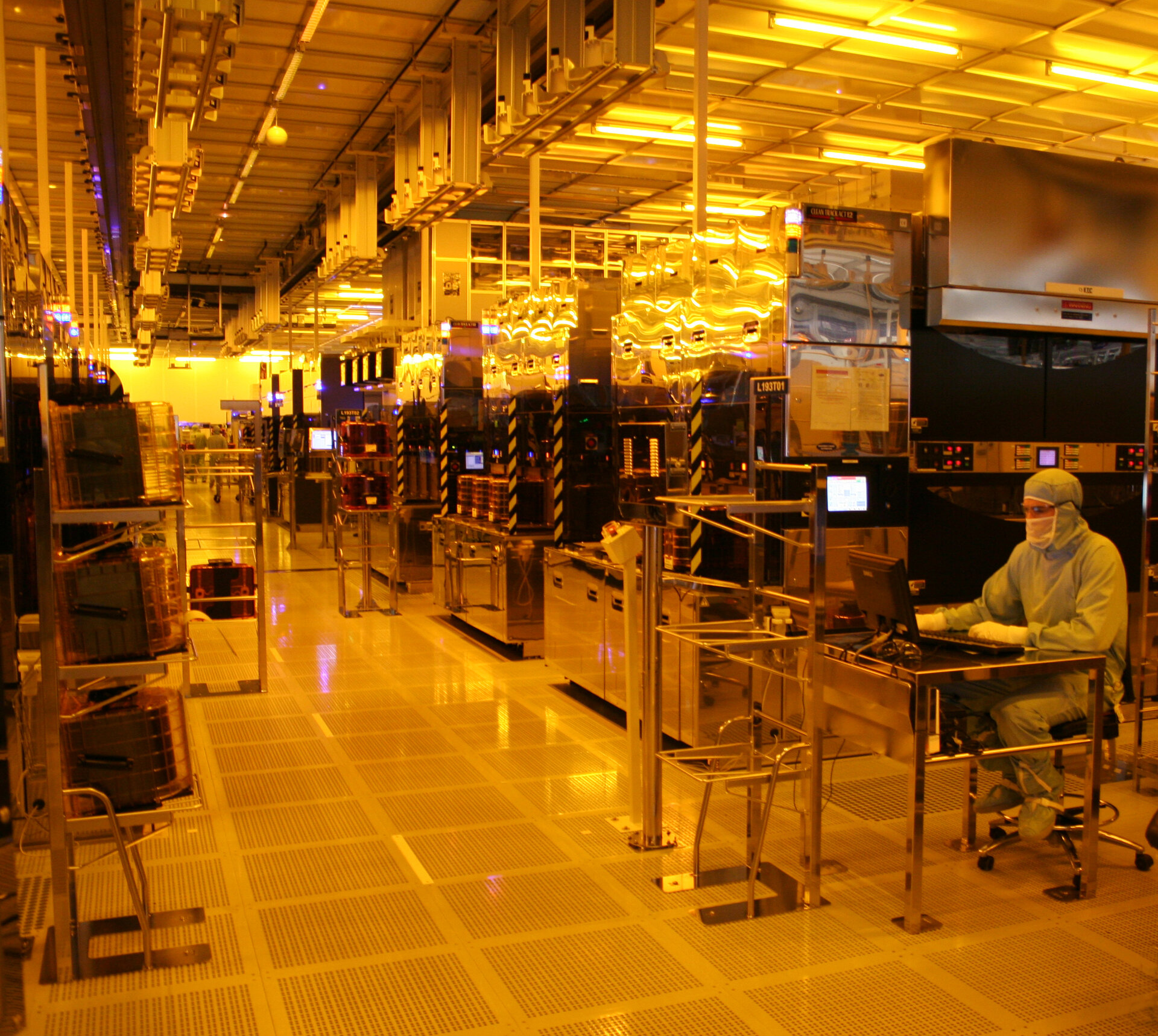
    STMicroelectronics Clean room

    Competitive edge

    Many technology developments are focused on boosting European competitiveness within the space market. In practice, this means improving the current spacecraft state-of-the-art to do more with less power and mass, more efficiently and reliably.

    The famous Moore’s Law – recognising that the complexity of integrated circuits doubles every 18–24 months – can be leveraged to shrink spacecraft electronics. Other R&D is based on ‘spinning-in’ promising technology from terrestrial sectors.
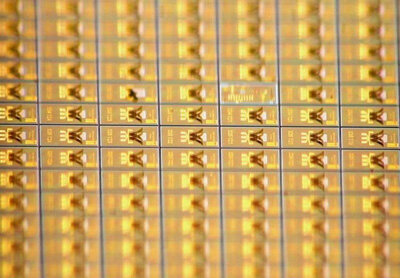
    Microvisk’s MEMS wafer

    Take micro-electromechanical systems – MEMS: made in a similar way to microprocessors but incorporating moving parts or sensors so that complete devices can be fitted onto a single silicon chip. Attractive for space because of their small size, low power consumption and resistance to vibration, these micro-machined devices are already embedded in modern cars. ESA leads the MEMS for Space initiative.

    Inside view of MEMS rate sensor

    European markings on a satellite are no guarantee of entirely European origins: in 2006 the average European spacecraft mission employed just 25% European-sourced parts. Such external reliance threatens the non-dependence and competitiveness of the European space industry. Foreign export restrictions might mean key parts become unavailable, or with impractical limitations on their use. So successive phases of ESA’s European Components Initiative – Technology non-Dependence (ECI-TnD) have worked with European industry and national space agencies to build up European alternatives for key items. As a measure of its success to date, the employment of non-export regulated parts is once more increasing – it rose to an average 40% of the total value of parts procurement of an average European spacecraft mission in 2011.

    Last update: 8 December 2012

    Rate this

    Views

    Share

    • Currently 5 out of 5 Stars.
    • 1
    • 2
    • 3
    • 4
    • 5
    Rating: 5/5 (1 votes cast)

    Thank you for rating!

    You have already rated this page, you can only rate it once!

    Your rating has been changed, thanks for rating!

    57
    facebook
    twitter
    reddit
    google plus
    digg
    tumbler
    digg
    blogger
    myspace
    • Competitive edge
    • LEON2FT processor
      LEON2FT processor
      The space chip that Europe built
    • USB links for spacecraft

    Connect with us

    • RSS
    • Youtube
    • Twitter
    • Flickr
    • Google Buzz
    • Subscribe
    • App Store
    • LATEST ARTICLES
    • · CryoSat hits land
    • · Ariane 5 completes seven launches …
    • · Measuring skull pressure without t…
    • · Malargüe station inauguration
    • · The solar wind is swirly
    • FAQ

    • Jobs at ESA

    • Site Map

    • Contacts

    • Terms and conditions