• → European Space Agency

      • Space for Europe
      • Space News
      • Space in Images
      • Space in Videos
    • About Us

      • Welcome to ESA
      • DG's News and Views
      • For Member State Delegations
      • Business with ESA
      • ESA Exhibitions
      • ESA Publications
      • Careers at ESA
    • Our Activities

      • Space News
      • Observing the Earth
      • Human Spaceflight
      • Launchers
      • Navigation
      • Space Science
      • Space Engineering
      • Operations
      • Technology
      • Telecommunications & Integrated Applications
    • For Public

    • For Media

      • Media
      • ESA TV
      • Videos for professionals
      • Photos
    • For Educators

    • For Kids

    • ESA

    • Proba Missions

    • Proba-V at a glance
    • Overview
    • Objectives
    • About the instrument
    • V for Vegetation
    • Serving science
    • Fitting the world in a box
    • About the platform
    • Joining ESA’s Proba family
    • Boxing clever
    • About the mission
    • Made in Belgium
    • On the ground
    • Starting operations
    • New technology
    • Hitching a ride
    • Tracking aircraft from orbit
    • New space semiconductor
    • Detecting radiation
    • Fly by fibre
    • About the launch
    • Launcher
    • Launch site
    • Proba-V launch diary part 1
    • Proba-V launch diary part 2
    • Proba-V launch diary part 3
    • Proba-V launch diary part 4
    • What's next
    • Proba-3
    • Already flying
    • Proba-1
    • Proba-2
    • Multimedia
    • Proba-V images
    • Proba images
    • Proba Earth images
    • Videos
    • Animations
    • Contact
    • Contact us

    ESA > Our Activities > Technology > Proba Missions

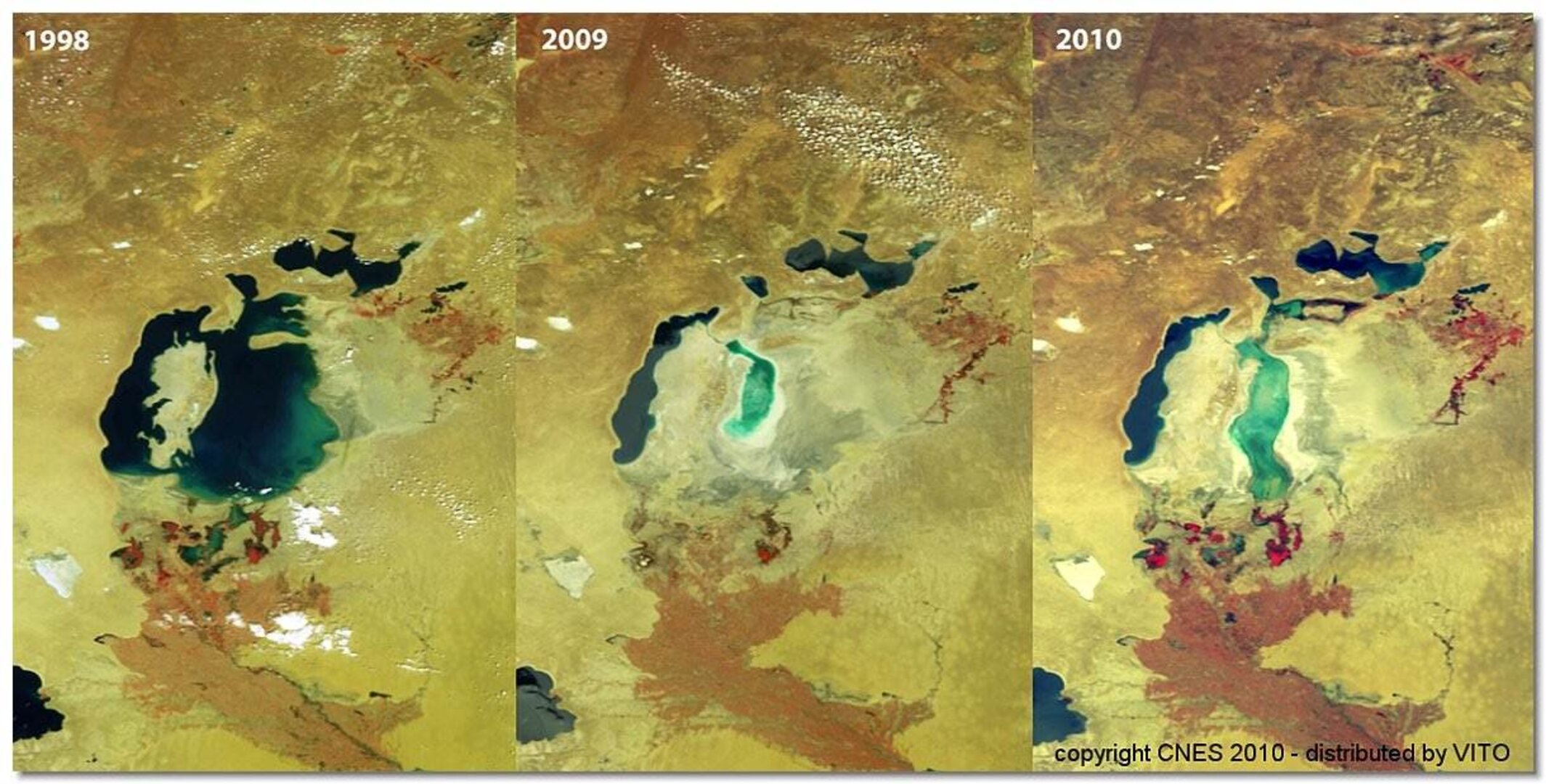
    Aral sea monitored by Vegetation

    V for Vegetation

    The ‘V’ in Proba-V stands for Vegetation. This mission is extending the data set of the long-established Vegetation instrument, flown as a secondary payload aboard France’s Spot-4 and Spot-5 satellites launched in 1998 and 2002 respectively. The latter satellite’s Vegetation instrument remains operational to this day. 

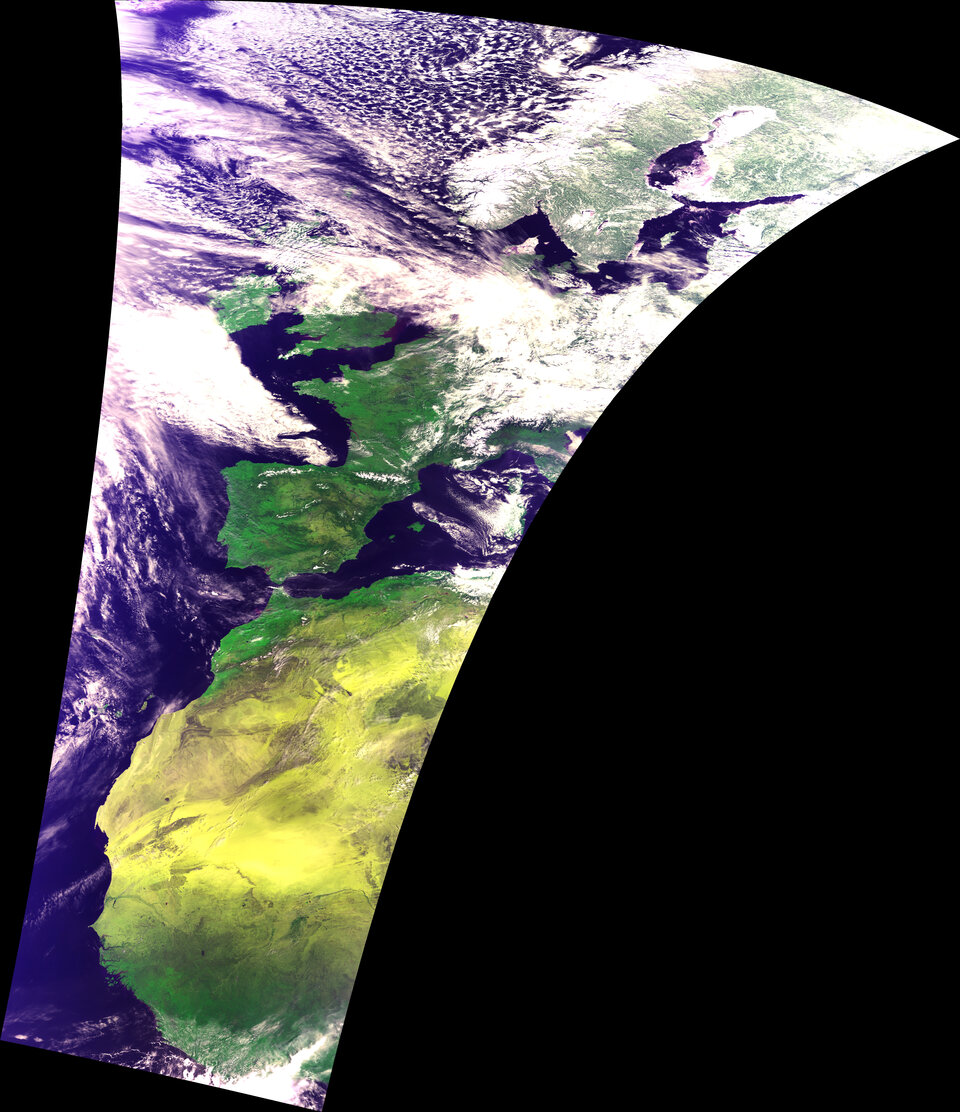
    The imager’s continent-spanning 2250 km field of view collects light in the blue, red, near-infrared and mid-infrared wavebands, ideal for monitoring plant and forest growth as well as inland water bodies.
    Vegetation swath

    Like its Spot-based predecessors, Proba-V’s Vegetation instrument will build up a continuous daily picture of the state of vegetation across the majority of planet Earth: complete coverage of high latitudes each day, with 90% of equatorial regions also acquired within those same 24 hours. Within two days all of the planet’s land will be imaged.

    Once cloud cover is accounted for, a complete composite of Earth’s land cover should be available to the scientific community and a significant number of operational data users every ten days.

    Proba-V’s Vegetation instrument boasts improved spatial resolution from to its Spot predecessors: 350 m resolution compared to 1 km for Spot Vegetation, with 100 m resolution available within its central field of view.

    Last update: 18 March 2013

    Rate this

    Views

    Share

    • Currently 4 out of 5 Stars.
    • 1
    • 2
    • 3
    • 4
    • 5
    Rating: 4/5 (4 votes cast)

    Thank you for rating!

    You have already rated this page, you can only rate it once!

    Your rating has been changed, thanks for rating!

    765
    Tweet
    • CNES Vegetation
    • Vegetation Products
    • VITO
    • Publications
    • Artist view of the Proba-V satellite
      Artist view of the Proba-V satellite
      Prova-V brochure (English)
    • Proba-V fact sheet (French)
    • Proba-V fact sheet (Dutch)
    • Proba-V fact sheet (Italian)

    Connect with us

    • RSS
    • Youtube
    • Twitter
    • Flickr
    • G+
    • Facebook
    • Livestream
    • Subscribe
    • App Store
    • LATEST ARTICLES
    • · Rare merger reveals secrets of gal…
    • · Watching for hazards: ESA opens as…
    • · ESA astronaut Timothy Peake set fo…
    • · Space drives e-mobility
    • · Proba-V opens its eyes
    • FAQ

    • Jobs at ESA

    • Site Map

    • Contacts

    • Terms and conditions