• → European Space Agency

      • Space for Europe
      • Space News
      • Space in Images
      • Space in Videos
    • About Us

      • Welcome to ESA
      • DG's News and Views
      • For Member State Delegations
      • Business with ESA
      • ESA Exhibitions
      • ESA Publications
      • Careers at ESA
    • Our Activities

      • Space News
      • Observing the Earth
      • Human Spaceflight
      • Launchers
      • Navigation
      • Space Science
      • Space Engineering
      • Operations
      • Technology
      • Telecommunications & Integrated Applications
    • For Public

    • For Media

      • Media
      • ESA TV
      • Videos for professionals
      • Photos
    • For Educators

    • For Kids

    • ESA

    • Space for health

    • What space can do

      • Space for Health
      • Wellness

        • Wellness
        • Exercise
        • Food
      • Medicine

        • Medicine
        • Medical Research

          • Medical research
          • Physiology
          • Psycho-sociological issues, Cognition and performance
          • Clinical research
        • Diagnosis and treatment

          • Diagnosis and treatment
          • Tele-consultation
          • Homecare and mobile care
        • Emergency and disaster medicine
        • Medical education
        • Biomedical engineering
      • Environmental Health

        • Environmental Health
        • Air quality and pollution
        • Water
        • UV radiation
      • Public health

        • Public Health
        • Disease Surveillance
        • Disaster Relief and Emergency Management
        • Patient data management
        • Strategy and policy
    • What space offers

      • Space assets for health - overview
      • Earth observation
      • Satellite communications
      • Satellite positioning/navigation
      • Human spaceflight
      • Operations and infrastructure
    • Users/partners and ESA's role

      • ESA's role and offer
    • Services
    • Questions, ideas, comments... Contact us
    • Site credits

    ESA > Our Activities > Technology > Space for health

    Concordia Station

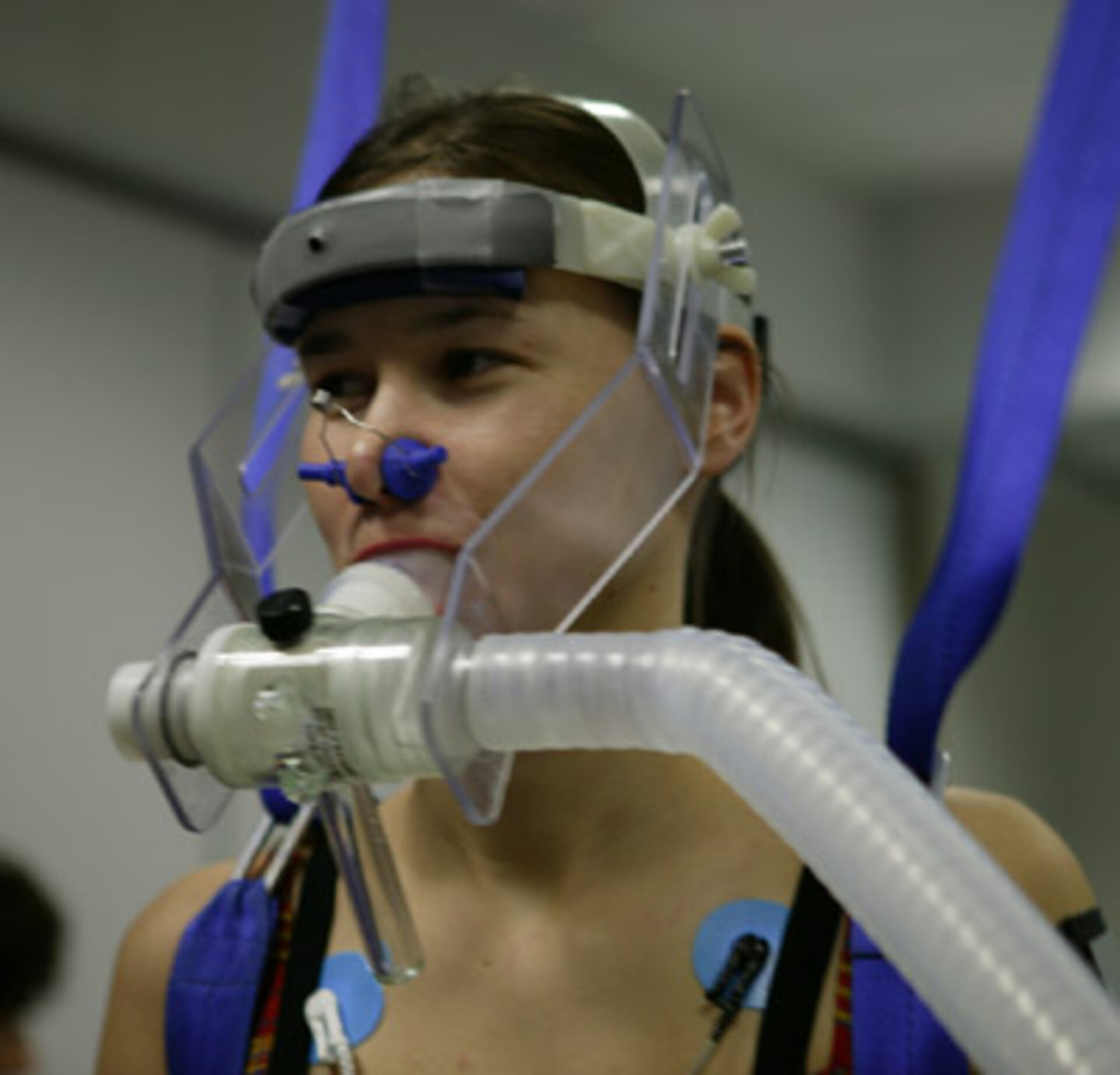
    Testing after bed rest
    Participants were thoroughly tested after completion of bed rest
    The Antarctic Concordia Station is located in one of the harshest, isolated environments on Earth. Wintering-over crew members of Concordia are faced with conditions in several ways similar to what astronauts could endure during a long duration mission such as a human exploration of Mars. A small multicultural crew is confined during a long period of time in an isolated facility with limited resources and located in a harsh and dangerous environment where the communication capabilities in case of an emergency are also limited or inexistent. Autonomy of the crew is required during an extended period of time and living quarters present similarities with a space-ship: confined environment with limited access to the outside where specific life support systems are in place to face the harsh atmospheric conditions and limited resources and where a water recycling and waste management capability is in place. The absent night/daylight variations, with constant light during the summer and constant darkness during the winter, is likely to cause similar problems in the circadian rhythms and sleep architecture as the one seen in astronauts in the ISS.

    ESA offers research opportunities to perform studies in the Concordia station, especially in the field of medicine, physiology and psychology. The team at Concordia is made of up to 16 persons who will be involved in studies performed in various other research fields. From the medicine and operational point of view ESA will test a system for the monitoring of the psycho-physiological status of a crew member and new technologies in the field of tele-medicine and/or tele-diagnostic will benefit the health of crew in a remote isolated and harsh environment as it is at Concordia. Person of contact : Oliver.Angerer@esa.int

    Last update: 26 March 2008

    Rate this

    Views

    Share

    • Currently 0 out of 5 Stars.
    • 1
    • 2
    • 3
    • 4
    • 5
    Rating: 0/5 (0 votes cast)

    Thank you for rating!

    You have already rated this page, you can only rate it once!

    Your rating has been changed, thanks for rating!

    37
    Tweet
    • Related links
    • Concordia Station
    • ESA Human spaceflight and Exploration
    • ESA Life and Physical Sciences Instrumentation section
    • ESA Life support
    • EU Related links
    • eHealth - EU health web page
    • Medicines and Treatment - EU health web page

    Connect with us

    • RSS
    • Youtube
    • Twitter
    • Flickr
    • G+
    • Facebook
    • Livestream
    • Subscribe
    • App Store
    • LATEST ARTICLES
    • · Earth Explorers take centre stage …
    • · The fast winds of Venus are gettin…
    • · ExoMars 2016 set to complete const…
    • · Herschel ends operations as orbiti…
    • · Europe’s largest spaceship reache…
    • FAQ

    • Jobs at ESA

    • Site Map

    • Contacts

    • Terms and conditions