STRAPLEX success despite an unexpected splashdown
On 15 September, students from Spain, Sweden and Belgium watched in eager anticipation as their experiments took to the air on the first ESA STRAtospheric PLatform EXperiment (STRAPLEX) campaign.
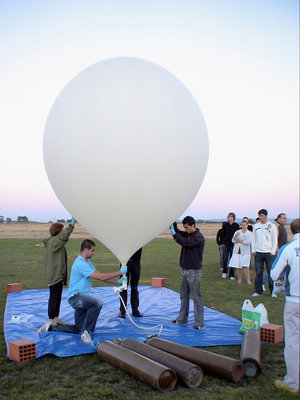
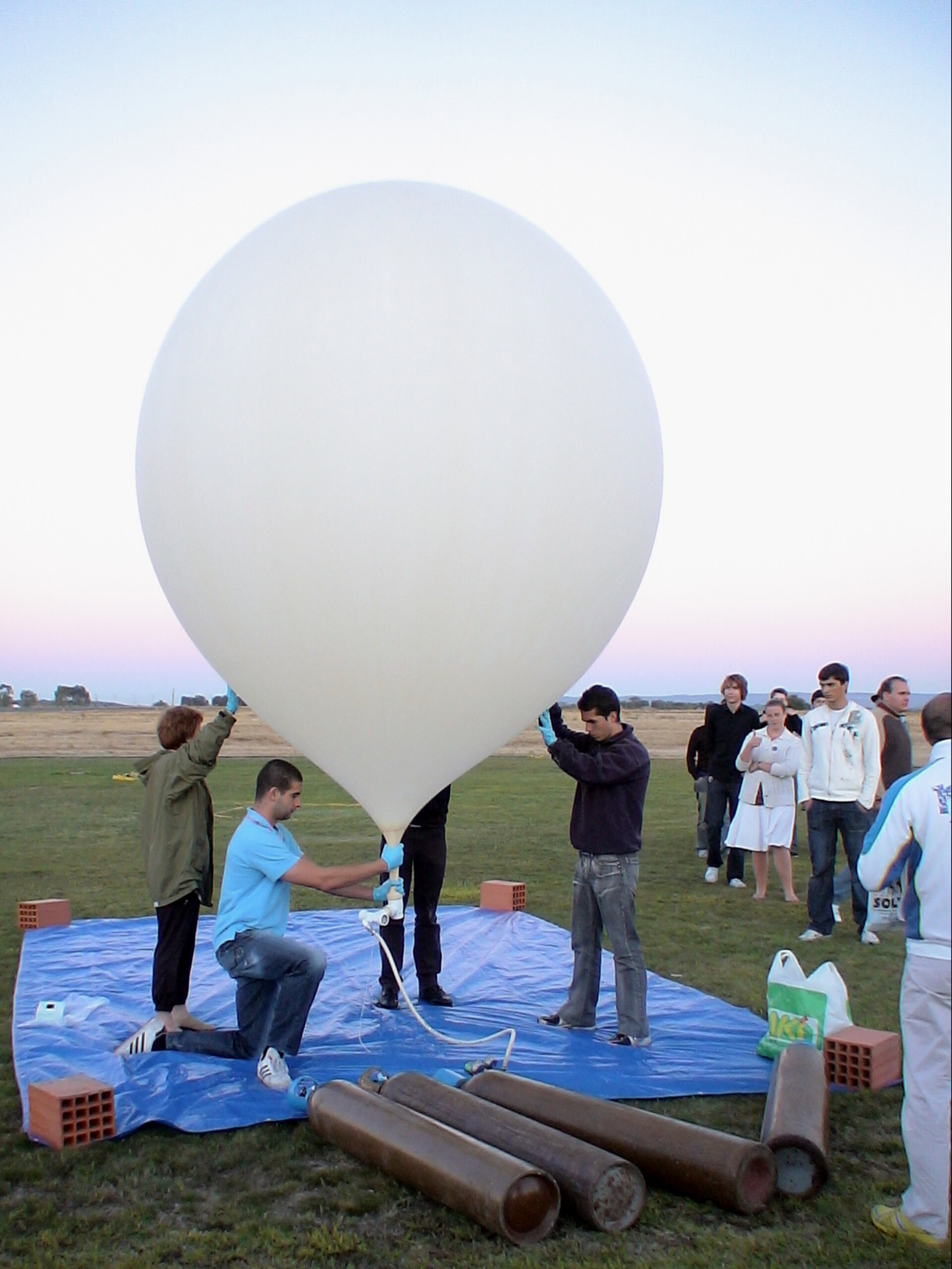
The launch of the huge helium balloon and the STRAPLEX capsule from the Évora airfield in Portugal marked the culmination of more than a year of preparation by the student teams.
The launch campaign began at the University of Porto on 12 September and continued over the following day as the five experiments were integrated with the capsule. On Sunday, 14 September, the teams were transported to the launch site ready for the long-awaited lift off on Monday morning.

On board the balloon were four experiments provided by schools in Sweden and Belgium, along with a Spanish experiment from University Miguel Hernandez, Elchein. Another experiment, from the University of Porto, had also been selected for the campaign, but was held over for a flight later this year. Two more teams, from Norway and the UK had decided not to participate after an unexpected delay due to technical reasons.
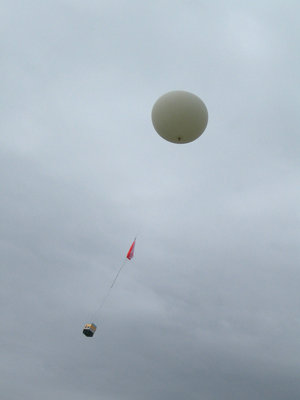
The flight proved to be a great success as the balloon and its STRAPLEX payload rose to an altitude of about 30 km, high in the stratosphere. Drifting in a light breeze, they travelled about 25 km from the launch site in just under 2 hours. The capsule was then cut free, allowing it to descend and make a soft parachute landing.
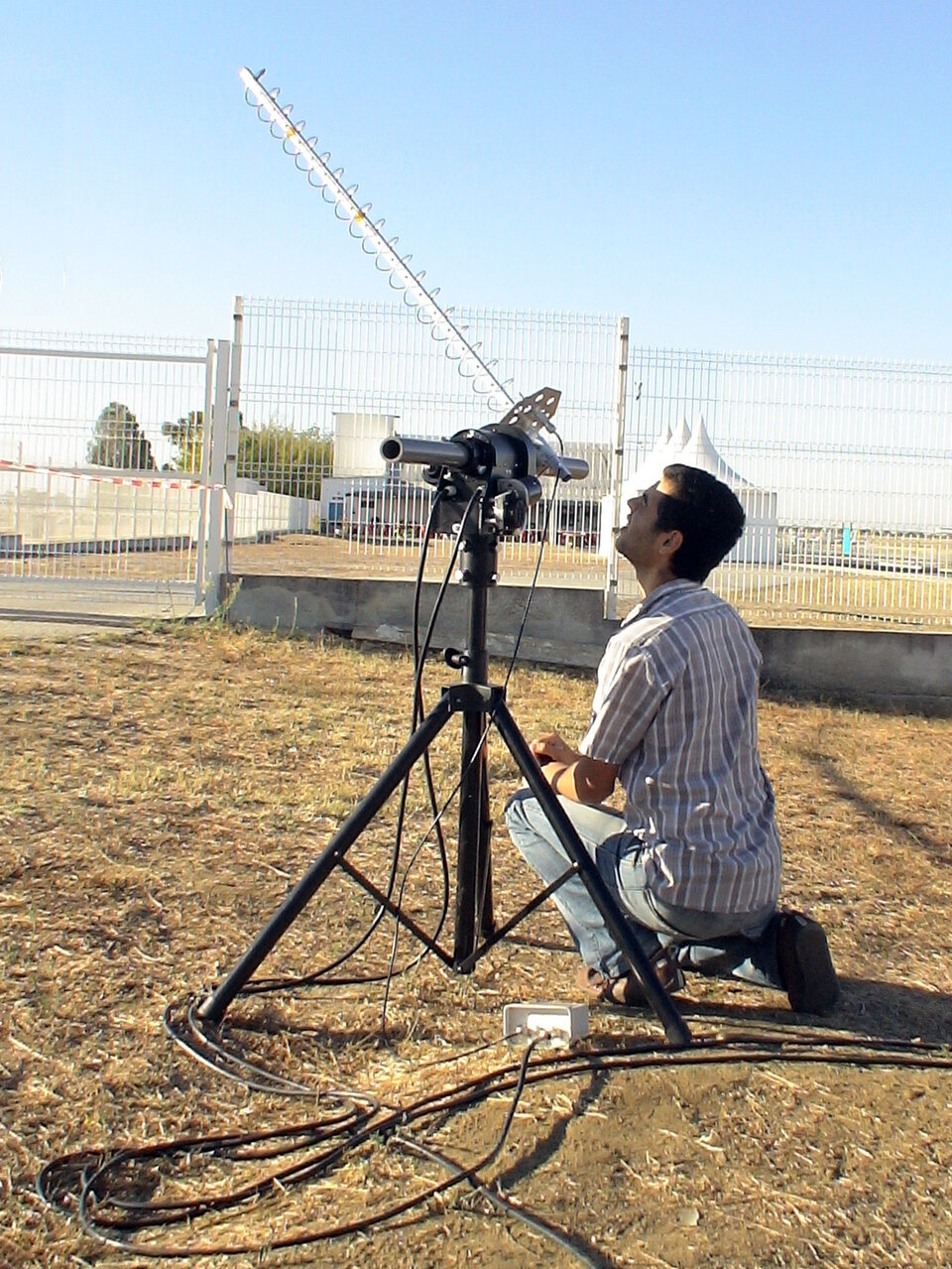
Unfortunately, the mission did not proceed quite as smoothly as anticipated due to a communications failure, possibly the result of a damaged antenna, which prevented reception of signals from the onboard GPS transmitter. Although limited tracking of the balloon was possible by triangulating signals from the STRAPLEX radio transponder, some time passed before it was located by a search aircraft. The capsule had splashed down in a large lake, causing a 24 hour delay in its recovery.
“We successfully retrieved the experiments and returned them to the schools and university,” said Helen Page of ESA's Education Office. “We expect most of the experiments to obtain useful data, although some of the results may be compromised by their exposure to water and temperature variations.
“The teams will provide reports on their activities and data analysis by the end of October, with a view to publication. If their results have been adversely affected, we shall look favourably on any requests for a reflight and try to incorporate the experiments on the next STRAPLEX launch later this year.”
Despite some teething problems, the pilot STRAPLEX campaign has shown that the project offers a valuable and exciting research opportunity to students from European universities and high schools. The initial flight will be reviewed by experts from ESA and modifications may be introduced before the 2009 campaign. One possible change is the future introduction of a parafoil that will enable the STRAPLEX capsule to be steered toward a particular landing site.
STRAPLEX is a low-cost programme developed by the Faculty of Engineering of the University of Porto in collaboration with ESA. The ESA Education Office funds the cost of the capsules and launches, as well as travel and subsistence for the student teams who participate. The University of Porto is responsible for manufacturing the capsules and their standard onboard equipment, integration of the student experiments, recovery of the capsules, return of the experiments to the student teams, distribution of all experimental data and analysis of the flight data. The helium for the balloons is provided by Air Liquide.