ESASSASpace DebrisESOCSpacecraft OperationsGround Systems EngineeringESOC History
   
Background
About usProfile: The Right Stuff
SSA programme
Space Situational Awareness
Multimedia (click)
Mission families
Solar & planetaryAstronomy & Fundamental PhysicsEarth ObservationHuman SpaceflightTechnology DemonstrationPast missionsESA mission history- Find a mission: A...Z
Mission control centres
ATV Control Centre (ATV-CC)Columbus Control Centre (Col-CC)
Worldwide ground station network
ESTRACK tracking stationsESTRACK Control Centre- Find a station: A...Z
OPS Community
Advanced Mission Concepts & Technologies OfficeHSO ExchangeKnowledge ManagementESA Ground Operation System (EGOS)
Services
PublicationsESA-sponsored conferencesHelpSubscribe


Bookmark and Share


News
 
printer friendly page
Herschel and Planck
Herschel and Planck
Herschel and Planck pass in-orbit 'exam'
 
24 July 2009
Herschel and Planck have both passed an important 'exam' they were to take before they could go about doing what space telescopes and observatories do.
 
Both missions have successfully completed their in-orbit commissioning reviews.

The spacecraft are in excellent condition, their instruments have been commissioned, and are now certified ready to begin the performance verification phase to attain optimum performance for scientific observations.

This marks the end of the development phase and the start of the operational phase for both missions.  


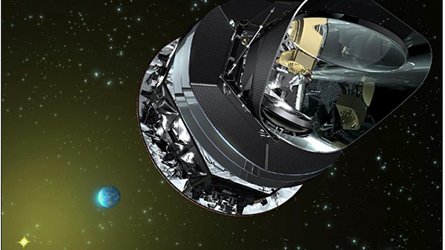
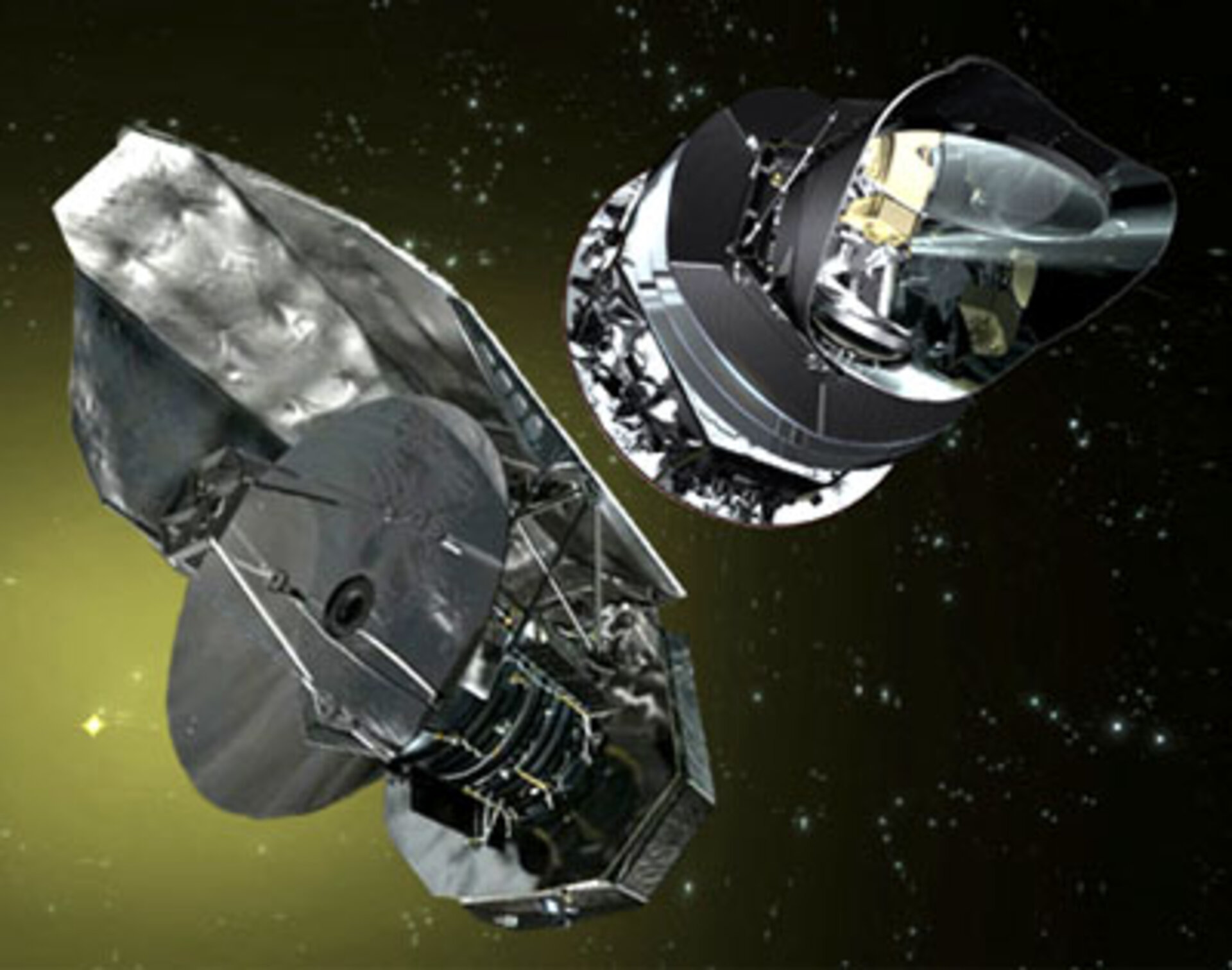
Herschel: ESA's giant infrared observatoryHerschel in space, close up on its mirror
Planck: looking back at the dawn of timePlanck cruises to L2
Space Operations & Situational AwarenessSpacecraft Operations
Related articles
Herschel images promise bright futureCoolest spacecraft ever in orbit around L2Herschel’s daring test: a glimpse of things to comeHerschel cryocover is openPlanck satellite manoeuvre aims at L2 arrivalHerschel and Planck commissioning has begun
Read more
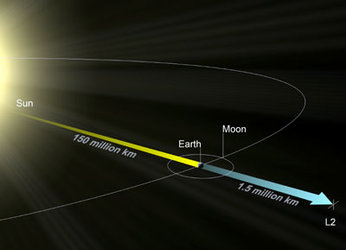
L2, the second Lagrangian Point
In depth
Herschel in depthPlanck in depth
For specialists
Herschel Science CentrePlanck Science Team


   Copyright 2000 - 2012 © European Space Agency. All rights reserved.