Cupola
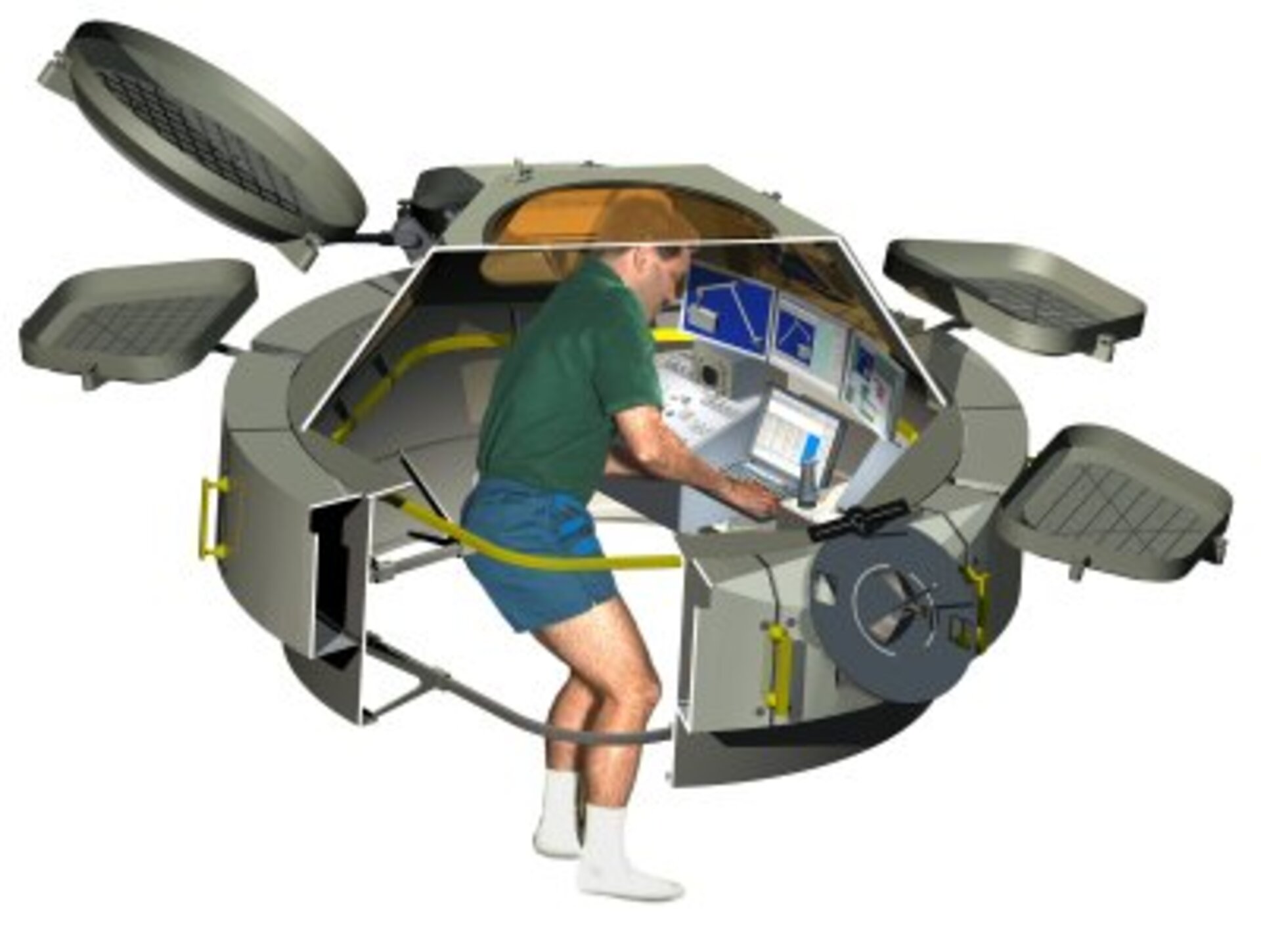
Cupola is a 1.6-tonne aluminium structure about 2 m in diameter and 1.5 m high. Its dome is a single forged unit with no welding. This gives it superior structural characteristics, which helped to shorten the production schedule and lower overall costs.
| Specifications | |
|---|---|
| Dimensions | |
| Overall height | 1500 mm |
| Maximum diameter | 2955 mm |
| Including Micrometeoroid and orbital Debris Protection System (MDPS) with shutters closed | |
| Including Flight Releasable Grapple Fixture | |
| Mass budget | |
| Launch Mass | 1805 kg |
| On-orbit mass | 1880 kg |
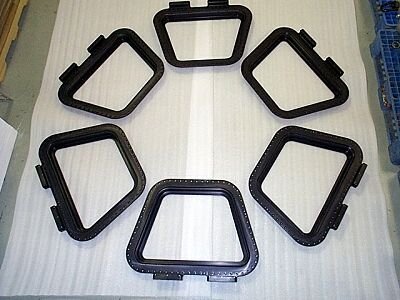
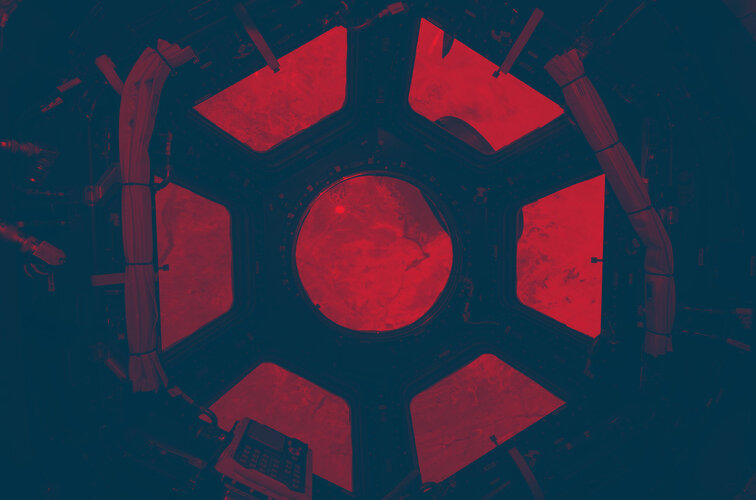
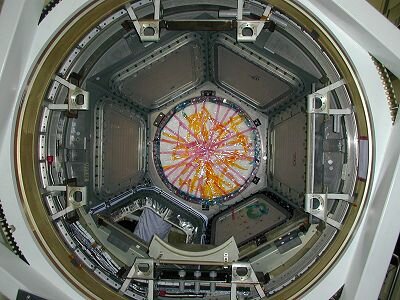
Six trapezoidal side windows and a circular top window 80 cm in diameter, making it the largest window ever flown in space. Each window uses advanced technologies to protect the sensitive fused silica glass panes from years of exposure to solar radiation and debris impacts.
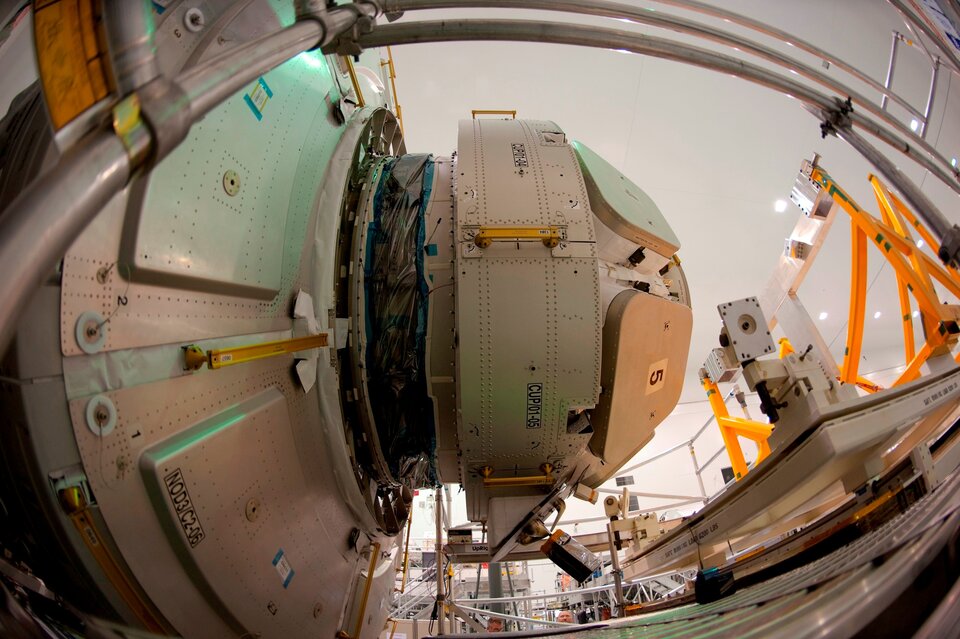
The windows are protected by external shutters, which can be opened by the crew inside with the simple turn of a wrist. Afterwards, the shutters are closed to protect the glass from micrometeoroids and orbital debris, and to prevent solar radiation from heating up Cupola or to avoid losing heat to space.
Each window has three subsections: an inner scratch pane to protect the pressure panes from damage inside Cupola; two 25 mm-thick pressure panes to maintain cabin pressure (the outer pane is a back-up for the inner pane); and a debris pane on the outside to protect the pressure panes from space debris when the shutters are open.
The 10-year on-orbit lifetime calls for user-friendly replacement of the windows while in space. The entire window or the individual scratch and debris panes can be replaced. To replace an entire window, an astronaut would first fit an external pressure cover over the window during a spacewalk.

Cupola provides a ‘shirtsleeve’ environment forup to two astronauts working inside. Its internal layout is dominated by upper and lower handrails around the cabin, supporting most of the equipment, and by ‘close-out’ panels, which cover the harness and cooling water lines. These internal panels form a pressurised air distribution system with the outer structure. These panels are removable to allow inspection and connection of different utilities.
Limited space for the crew and equipment means that the man-machine interfaces have to be optimised for entry into and exit from Cupola and carrying out workstation tasks and maintenance.