

Mitä on painovoima?
Tieteen kehitystä ei voida ennustaa, mutta tieteellinen läpimurto fysiikassa saattaa olla hyvinkin ovella; Euroopan avaruusjärjestö on suunnitellut sarjan ainutlaatuisia koelaitteita ja satelliitteja, joiden avulla tiedemiehet uskovat pääsevänsä käsiksi painovoiman perusolemusta käsitteleviin kysymyksiin.
Painovoiman olemus on paljolti edelleen hämärän peitossa, sillä osa avaruuden ilmiöistä ei tunnu noudattavan lakeja ja teorioita, joiden mukaan nykyisin hahmotamme maailmaa - havainnot eivät tue käsitystämme painovoimasta ja sen käyttäytymisestä, joten fyysikot haluaisivat kiihkeästi tutkia painovoiman olemusta huomattavasti nykyistä tarkemmin.
Painovoima, eli gravitaatio on yksi neljästä luonnon perusvoimasta. Se muokkaa maailmankaikkeutta ympärillämme ja mahdollistaa planeettojen, tähtien ja galaksien muodostumisen. Painovoiman vaikutuksesta planeetat pysyvät radoillaan, satelliitit kiertävät maapalloa ja pysymme itse kiinni planeettamme pinnassa. Gravitaatio säätelee kokonaisten galaksien pyörimistä ja vaikuttaa maailmankaikkeuden kehitykseen.
Gravitaatiota on tutkittu kiihkeästi aina siitä alkaen, kun fyysikko Isaac Newton tarinan mukaan keksi sen olemassaolon saatuaan omenan päähänsä puun alla pohdiskellessaan. Klassinen fysiikka onnistui laskemaan hyvin planeettojen rataliikkeet ja määrittelemään varsin tarkasti ns. gravitaatiovakion, luonnon perusluvun, jonka mukaisesti painovoima vaikuttaa. Suhteellisuusteoria puolestaan vei painovoimafysiikan uudelle tasolle ja määritteli sen avaruuden geometrian kaareutumaksi. Einsteinin mukaan avaruudessa olevan kappaleen massa määrää kuinka paljon avaruus kaarautuu ja avaruuden kaareutuma määrää miten kappaleet avaruudessa liikkuvat. Vaikka suhteellisuusteorian vaikutusta ei arkielämässä huomaakaan, sen unohtaminen avaruusluotaimien ratalaskuista ja avaruuden suurienergisten kohteiden kuvaamisessa johtaa heti suohon - painoivoima ja sen vaikutusten laskeminen on olennainen osa nykyfysiikkaa.
Viime aikoina havaintojen tarkkuuden parannuttua olennaisesti, on eteemme kuitenkin tullut yhä enemmän tapauksia, jolloin painovoima ei toimi odotetulla tavalla. Yksi tällaisista mysteereistä on niin kutsuttu "Pioneer-poikkeama", joka on saanut nimensä Nasan Pioneer 10 ja 11 -luotainten mukaan. Luotaimet lentävät parhaillaan ulospäin aurinkokunnasta, ja niiden etääntymisnopeuden on havaittu hidastuvan jostain tuntemattomasta syystä. Sama ilmiö on sittemmin havaittu Jupiteria kiertävän Galileo-luotaimen ja Aurinkoa kiertävän Ulysses-aluksen liikkeissä.
Jos luotaimien hidastuminen on paikallinen havainto, niin koko maailmankaikkeuden laajenemisen odotettua nopeampi hidastuminen kummastuttaa kosmologeja. Universumissa tuntuu olevan "liian paljon gravitaatiota". Vaikka hidastuminen voidaan havaita, ei sen aiheuttavan voiman alkuperää ole voitu määritellä. Yksi looginen selitys voisi olla ns. puuttuvan massan ongelma, eli toistaiseksi tähtitieteilijät ovat havainneet vain osan siitä kaikesta aineesta, minkä maailmankaikkeus teoreettisesti pitää sisällään. Näin ollen puuttuva massa, pimeä aine tai toistaiseksi tuntemattomat eksoottiset alkeishiukkaset voivat selittää osan hidastumisesta, mutta silti peruskysymys on olemassa: miksi painovoima vaikuttaa voimakkaammin kuin sen pitäisi?

Asian ratkaisuksi on kehitetty useita erilaisia teorioita, joista osa ehdottaa gravitaation vaikuttavan hieman voimakkaammin silloin, kun kappaleiden väliset etäisyydet ovat hyvin, hyvin suuria. Näin olleen maailmankaikkeuden mittakaavassa ei pimeää ainetta tarvittaisi teorioiden tueksi niin paljoa kuin olisi tarpeen ilman pientä korjausta painovoimateoriaan. Toiset teoriat ehdottavat puolestaan uutta, viidettä luonnon perusvoimaa. Se olisi äärimmäisen heikko voima, jonka vaikutus olisi havaittavissa vain kaukausimmissa avaruuden kolkissa - tai äärimmäisen pienenä aurinkokunnan mittakaavassa.
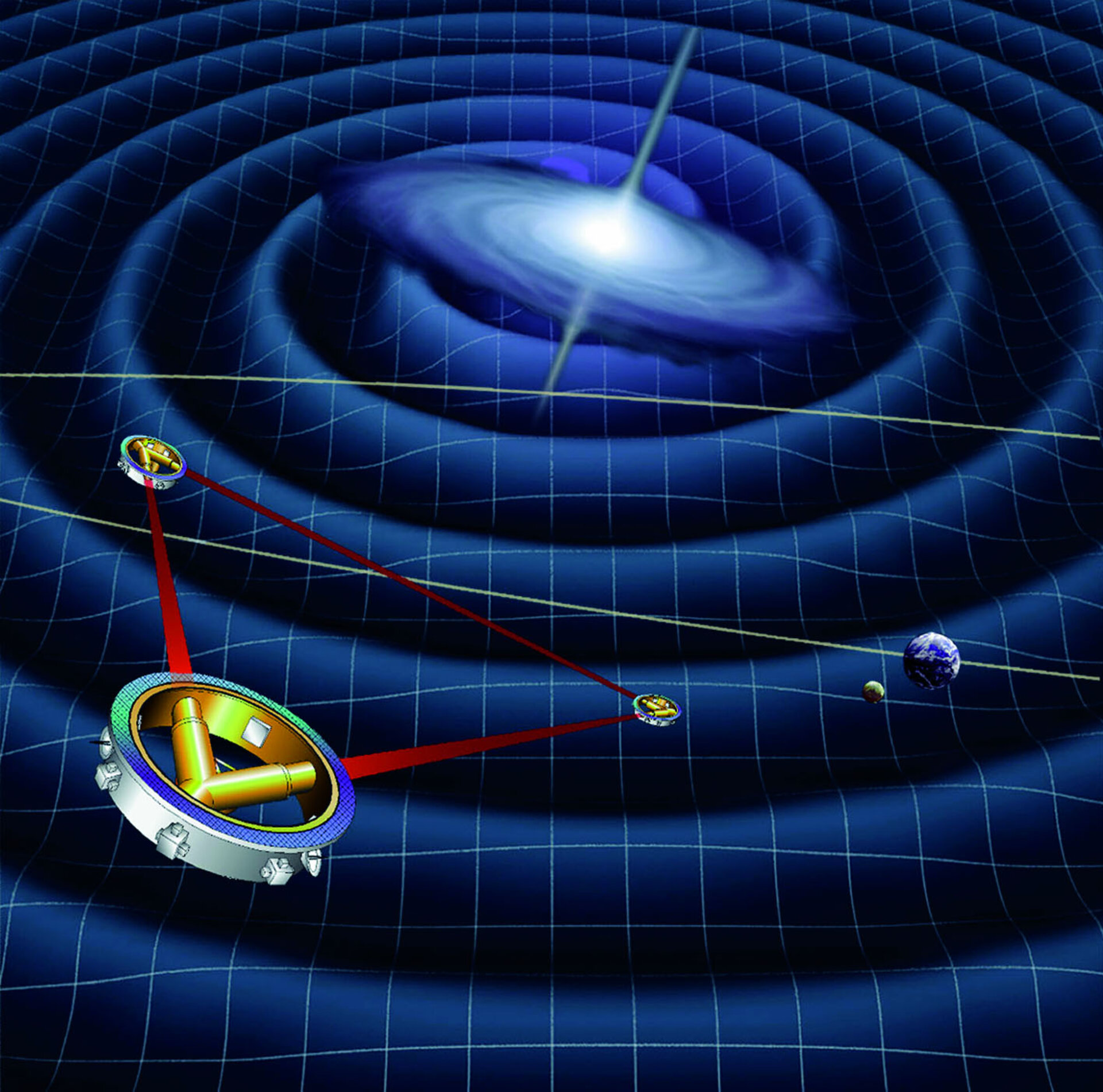
Avaruus on ihanteellinen paikka tutkia olemassaolevia teorioita ja testata uusien toimimista. Kiertoradan näennäisessä painottomuudessa tutkijat voivat havaita kaikkein heikoimpia voimia ja mitata niitä äärimmäisen tarkasti. Sen vuoksi ESA on kehittänyt sarjan kunnianhimoisia avaruuslentoja, joiden tarkoitus on testata pääasiassa yleistä suhteellisuusteoriaa ja sen ennustamia painovoima-aaltoja. Gravitaatioaallot ovat avaruuden geometriassa eteneviä aaltoja, jotka toimivat periaatteessa samaan tapaan kuin laineet järven pinnalla; kun pudotat kiven veteen, lähtee siitä rengasmaisesti aaltoja ympärille. Samaan tapaan voimakkaat ilmiöt avaruudessa, kuten supernovat tai neutronitähtien törmäykset, saavat aikaan gravitaatioaaltoja, joita periaatteessa olisi mahdollista havaita - jos vain mittalaitteet ovat hyvin tarkkoja. Toistaiseksi yrityksistä huolimatta avaruuden aaltoja ei olla havaittu, mutta on mahdollista, että maanpääliset mittalaitteet ovat olleet aivan liian epäherkkiä. Aaltojen löytyminen olisi vahva todiste yleisen suhteellisuusteorian paikkansapitävyydestä.
Gravitaatioaaltojen havaitseminen onkin ESAn luotainsarjan ensimmäisen lennon päätarkoitus. Yhteistyössä Nasan kanssa rakennettava LISA koostuu kolmesta satelliitista, joiden välistä etäisyyttä mitataan jatkuvasti erittäin tarkasti lasersäteiden avulla. Pienetkin huojunnat avaruuden geometriassa saisivat satelliittien väisen etäisyyden muuttumaan, jolloin sitä havaitsemalla saadaan periaatteessa gravitaatioaallot näkyviin. Vaikka käytännössä laserlinkki kuullostaa kätevältä ja yksinkertaiselta, on sen toteuttaminen avaruuden etäisyyksillä hyvin vaikeaa ja haasteellista. Näillä näkymin LISA laukaistaan avaruuteen vuonna 2011.
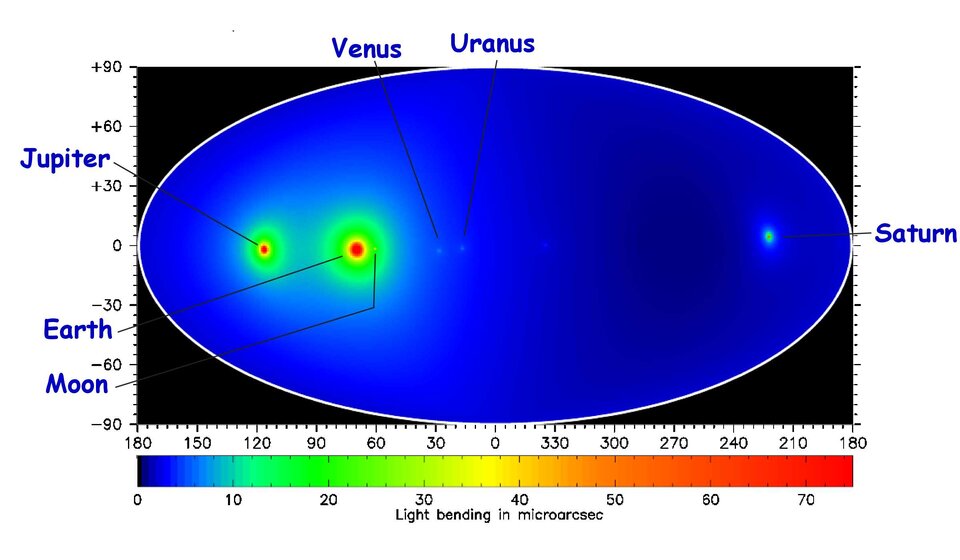
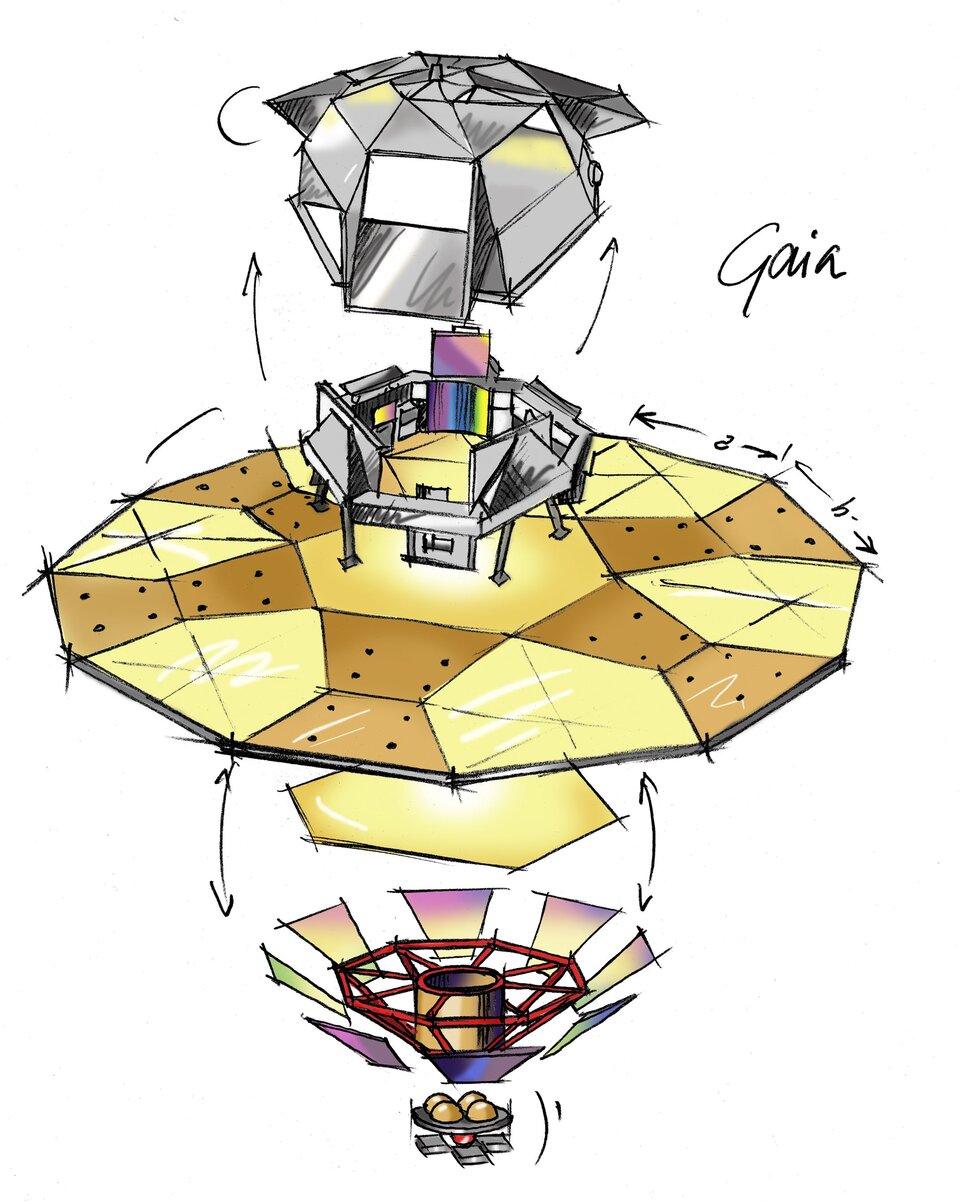
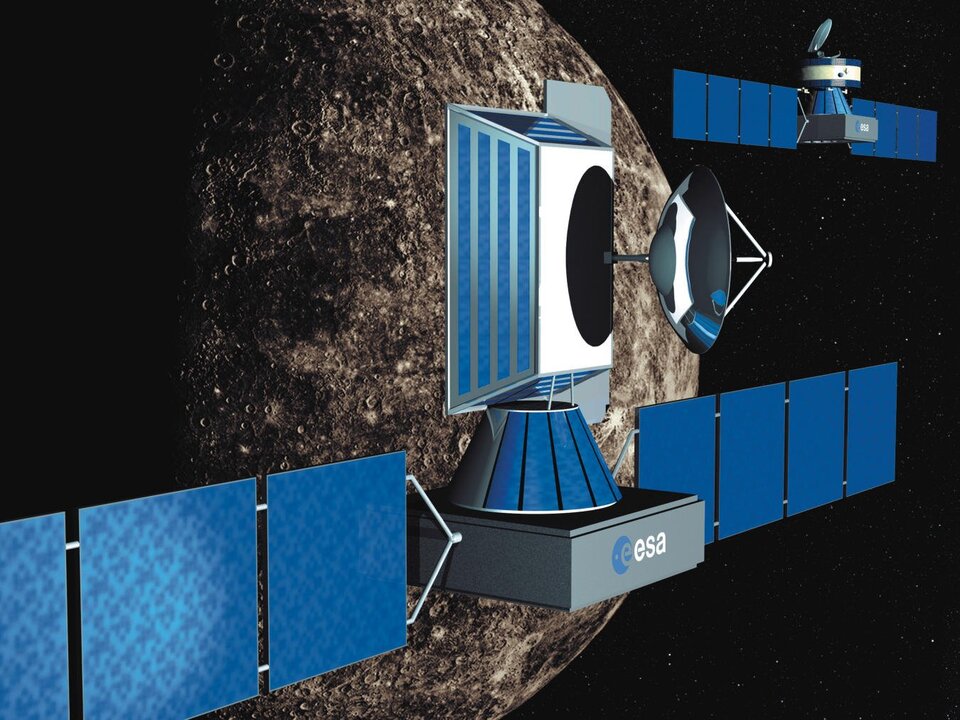
ESAn yksinään rahoittamien Gaia- ja BepiColombo-luotaimien tarkoitus on havaitasuhteellisuusteorian toimintaa toisella tavalla. Ne mittaavat miten materia vääristää avaruutta, jolloin voidaan periaatteessa todeta ovatko tulokset yhtäpitäviä yleisellä suhteellisuusteorialla saatujen teoreettisten arvojen kanssa.
ESAn ja Ranskan kansallisen avaruusjärjestön CNESin kanssa yhteistyössä tehtävän Microscope-lennon tehtävänä on puolestaan testata yleisen suhtellisuusteorian ns. vastavuoroisuusperiaatteen paikkansapitävyyttä. Sen mukaan kaikki kappaleet massasta ja kemiallisesta koostumuksesta riippumatta kiihtyvät gravitaatiokentässä samalla tavalla. Jos Microscope-satelliitti havaitsee poikkeavuuden tämän teorian toiminnassa, olisi se selvä merkki uudenlaisen gravitaation, niin sanotun kvanttigravitaation olemassaolosta.
Kvanttigravitaatio on herättänyt paljon kiinnostusta, koska sen tarkoitus on yhdistää Einsteinin yleinen suhteellisuusteoria ja kvanttifysiikka. 60-luvulla hahmoteltu kvanttifysiikka on eräs nykyfysiikan pääteorioista, sillä se selittää kaikki fysiikan perusvoimat gravitaatiota lukuunottamatta. Kvattiteorian mukaan avaruus on rakeinen, jos sitä tarkastellaan tarpeeksi pienessä mittakaavassa; avaruus näyttää hyvin läheltä katsottaessa koostuvan hiekkarannan tapaan hyvin pienistä jyväsistä. Hyper, yksi ESAn suunnitteilla olevista satelliiteista, on suunniteltu tutkimaan juuri tätä teoriaa, sillä avaruuden "rakaisuuden" toteaminen on eräs sen päätehtävistä muun gravitaatiotutkimuksen ohella. Lisäksi ESA suunnittelee alustavasti satelliittia, jonka tarkoitus on tutkia Pioneer-ilmiötä tarkemmin.
Näiden lentojen avulla ESA on voimakkaasti mukana painovoiman tutkimuksessa ja voi olla osaltaan tekemässä seuraavaa suurta vallankumousta fysiikassa - sekä maailmankuvassamme.

