ESTEC Tour
In de Europese ruimtevaartorganisatie ESA werken Europese landen samen aan ruimtevaartactiviteiten. Samen realiseren ze fascinerende projecten die voor de individuele lidstaten niet uitvoerbaar zijn. Het leidt tot nieuwe wetenschappelijke kennis, nieuwe praktische ruimtevaarttoepassingen en een vitale Europese ruimtevaartindustrie.
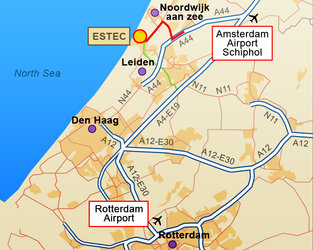
ESA heeft vestigingen in verschillende Europese landen. In Noordwijk ligt ESTEC: de grootste vestiging en het technisch hart van ESA, de broedkamer van de Europese ruimtevaart. De meeste ESA projecten worden hier geboren en in de verschillende ontwikkelingsfases begeleid. Er werken meer dan 2500 mensen aan tientallen ruimtevaartprojecten.
Hoe worden satellieten geboren?
Het ontwikkelen van een ruimtevaartproject is een complex proces en vergt vaak zo’n 5 tot 10 jaar tijd. Elk project begint met een idee voor wetenschappelijk onderzoek of voor een toepassing. Op ESTEC bestuderen de ingenieurs de haalbaarheid van een idee en werken het samen met de ruimtevaartindustrie stap voor stap uit. Dit is een zorgvuldig proces waarbij ze geen fouten mogen maken, want een satelliet kan, eenmaal in de ruimte, hoogst zelden gerepareerd worden.

Specialisten van ESA zorgen voor het ontwikkelen en testen van de geavanceerde technologieën die nodig zijn om de toekomstige projecten mogelijk te maken. Met meer dan 40 jaar ervaring heeft ESTEC de nodige expertise in huis voor haar veelomvattende taak.
Wie bouwt de satellieten?
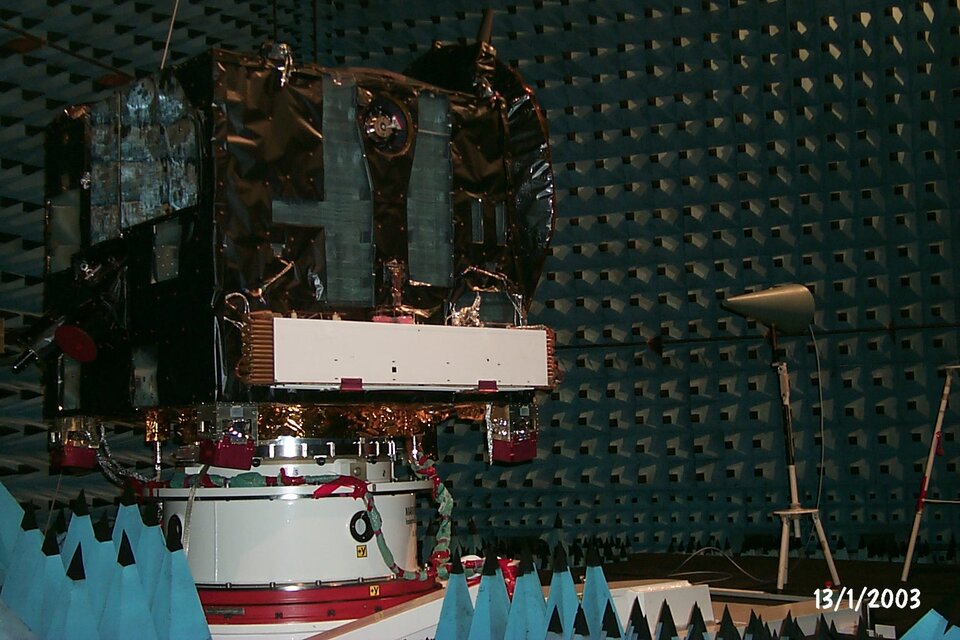
De eigenlijke bouw wordt uitgevoerd door industriële bedrijven, onder de verantwoordelijkheid van een ESA projectteam op ESTEC. Dat team blijft intensief bij de bouw betrokken om te verzekeren dat het eindresultaat aan alle eisen voldoet.
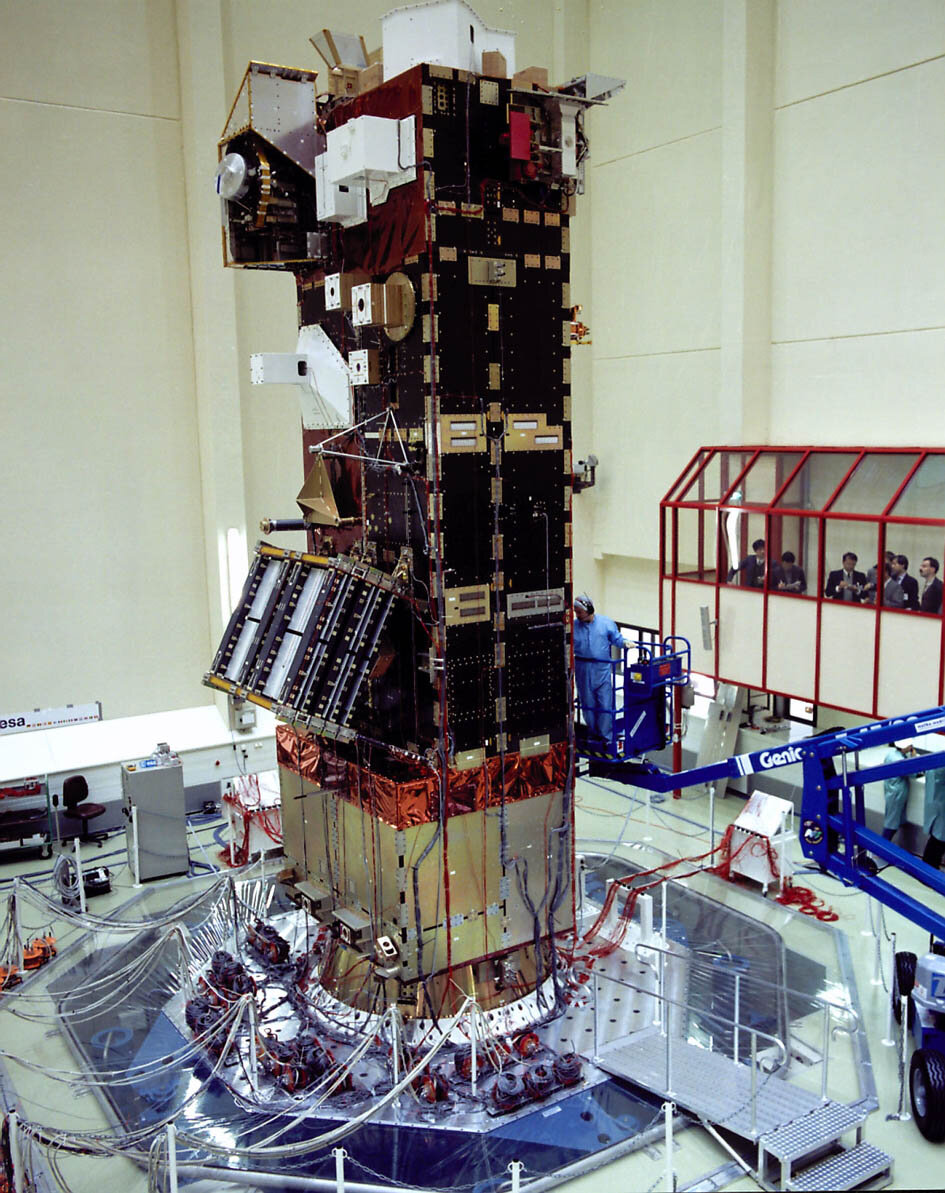
Het is van vitaal belang om de satelliet grondig te testen. In het testcentrum op ESTEC worden, bijvoorbeeld, de zeer heftige trillingen van een lancering nagebootst. Ook stelt men de satelliet bloot aan het enorme lawaai van een raket. Dit om te verzekeren dat de satelliet tijdens de lancering niet beschadigt.
In de ruimte-simulatiekamer laten de testingenieurs de satelliet een paar weken lang de vacuumcondities en de extreme temperaturen van de ruimte ondergaan. Zo controleert men of de satelliet onder deze extreme omstandigheden goed blijft werken. Maandenlang wordt intensief getest, tot ESA zeker is dat de satelliet zijn hele levensduur goed kan werken.
Wie brengt de satelliet in zijn juiste baan?
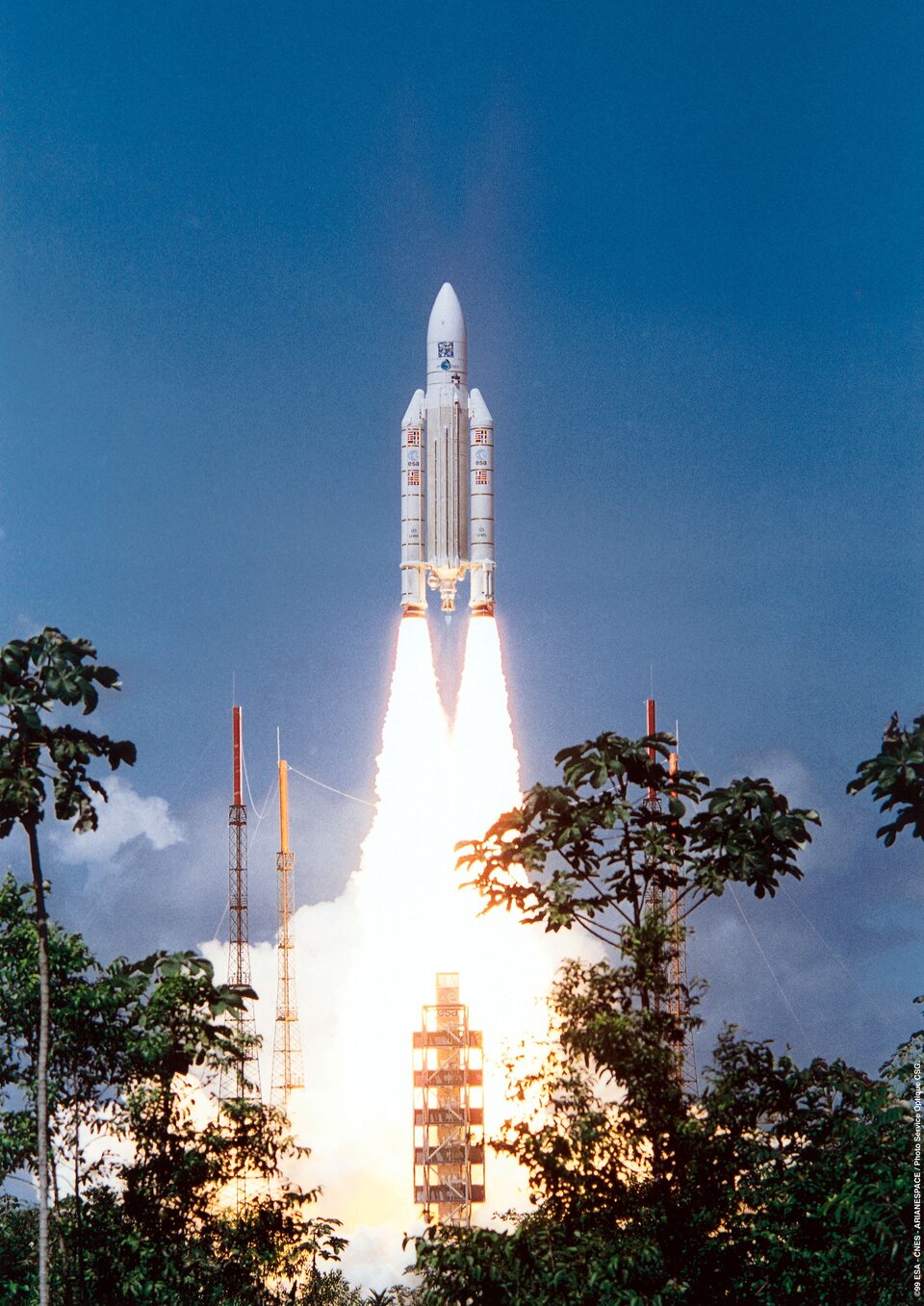
Als de testfase bij ESTEC afgerond is, pakt men de satelliet zorgvuldig in voor vervoer naar de lanceerbasis. Een ploeg specialisten gaat mee om de satelliet ter plaatse op de lancering voor te bereiden.
Afhankelijk van de missie wordt de satelliet met een Ariane 5, een Space Shuttle of een andere raket in zijn baan gebracht.
Als de satelliet goed en wel in de ruimte is aangekomen gaat de verantwoordelijkheid over naar ESTEC’s zustervestiging, het grondcontrolecentrum ESOC in Duitsland.

De taak van ESTEC’s specialisten zit er dan nog niet helemaal op: zij blijven betrokken bij het opstarten van de instrumenten of het oplossen van problemen.
Een team van ESA astronomen doet op ESTEC ook onderzoek met de resultaten van de satellieten, andere wetenschappers bereiden in Noordwijk de experimenten voor die uitgevoerd worden in het internationale ruimtestation.
Hoe is ESTEC betrokken bij het Internationale Ruimtestation?

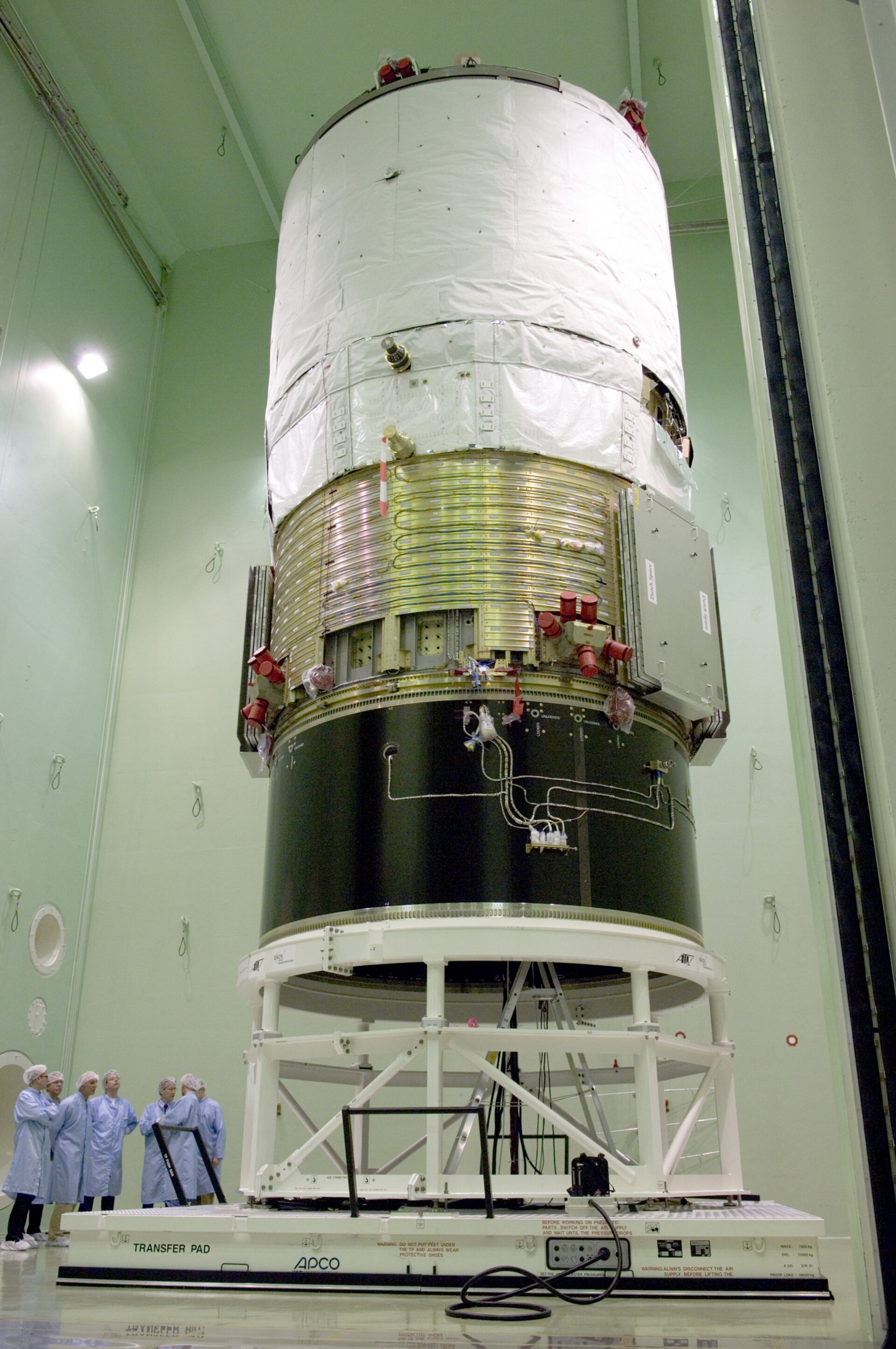
De Europese bijdrages voor het ruimtestation, zoals het ruimtelab Columbus en het vrachtschip ATV, zijn op ESTEC ontwikkeld. Ook een aantal ESA astronauten is in Nederland gestationeerd om hun praktische ervaring te delen met de wetenschappers en ingenieurs.
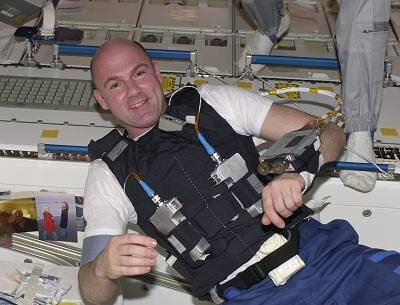
In het Erasmus gebouw is een informatiecentrum gevestigd voor onderzoekers van bedrijven en universiteiten die experimenten willen uitvoeren in een gewichtloze omgeving. Hier selecteert ESA de nieuwe experimenten voor het ruimtestation en vanaf hier worden ze wetenschappelijk begeleid.
Voor sommige missies met Europese astronauten verzorgt ESA vanaf ESTEC een deel van de dagelijkse planning en coördinatie.
Conclusie
De ESA medewerkers op ESTEC zitten nooit stil. Terwijl sommigen de laatste hand leggen aan satellieten die gereed zijn voor lancering, werken anderen alweer aan nieuwe ideeën.
Het is een cyclus die al tot tientallen succesvolle missies heeft geleid. Dat heeft ruimtevaart in Europa een deel gemaakt van ons dagelijks leven.