La qualità dell'aria: uno sguardo dallo spazio
INTERVISTA 05-2006. La Commissione europea ha varato la fase Euro5 per ridurre le emissioni dai trasporti e migliorare la qualità dell’aria, con lo scopo di ridurre del 20% le emissioni di ossido di azoto. E proprio la mappa dell’inquinamento da ossido di azoto realizzata dal satellite europeo ENVISAT, nell’ottobre scorso, aveva conquistato le prime pagine dei giornali. Quanto è stata aiutata la politica dai dati spaziali?
Lo spazio è strategico nell’analisi dello stato di salute del pianeta: non è un caso che la Commissione Europea abbia adottato fra le sue colonne portanti il progetto GMES, il Global Monitoring for Environment and Security, che prevede una serie di satelliti dedicati sull’osservazione della Terra.
La mappa del biossido di azoto realizzata dallo strumento SCIAMACHY a bordo del satellite dell’ESA Envisat e resa pubblica nell’ottobre scorso era in effetti piuttosto shockante: mostra chiaramente come la zona dei Paesi Bassi e la nostra pianura padana siano tra i luoghi più inquinati del mondo, insieme alle miniere di estrazione del Sud Africa, alle regioni industrializzate di USA e Cina.
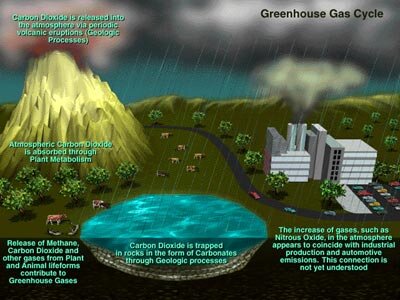
In caso di esposizione eccessiva, il biossido di azoto è un gas che può causare danni ai polmoni e problemi respiratori. È prodotto in larga parte dall'uomo: da emissioni delle centrali elettriche, industrie pesanti e trasporto stradale, oltre che dalla combustione di biomasse. Anche eventi naturali come i fulmini creano biossido di azoto, e lo stesso accade nell'attività microbica a livello del suolo. È uno di quei classici prodotti negativi della industrializzazione e dell’uso non sostenibile che ne abbiamo fatto finora.
Ma se i dati satellitari sono così stringenti, perché la politica non ne fa un uso più esteso?
Si procede con grandissima cautela. Lo stesso SCIAMACHY, per esempio, è considerato uno strumento di test. Man mano che lo strumento raccoglie dati dallo spazio, si procede anche alla verifica delle misure attraverso l’utilizzo di stazioni di terra, di aeroplani.
Tuttavia gli scienziati che lavorano con SCIAMACHY non sono solo ottimisti: i dati hanno un grandissimo potenziale, per esempio per guidare quelle situazioni nelle quali le nazioni si scontrano in modo ideologico. I disaccordi fra nazioni, insomma, possono essere risolti con strumenti e dati bene precisi. Non solo questo: ci sono casi di inquinamento atmosferico che i cittadini sembrano conoscere meglio delle istituzioni locali. È il caso per esempio di industrie inquinanti che sono però troppo preziose per l’economia del territorio perché le istituzioni locali abbiano la forza di mettere la salute dei cittadini al primo posto.
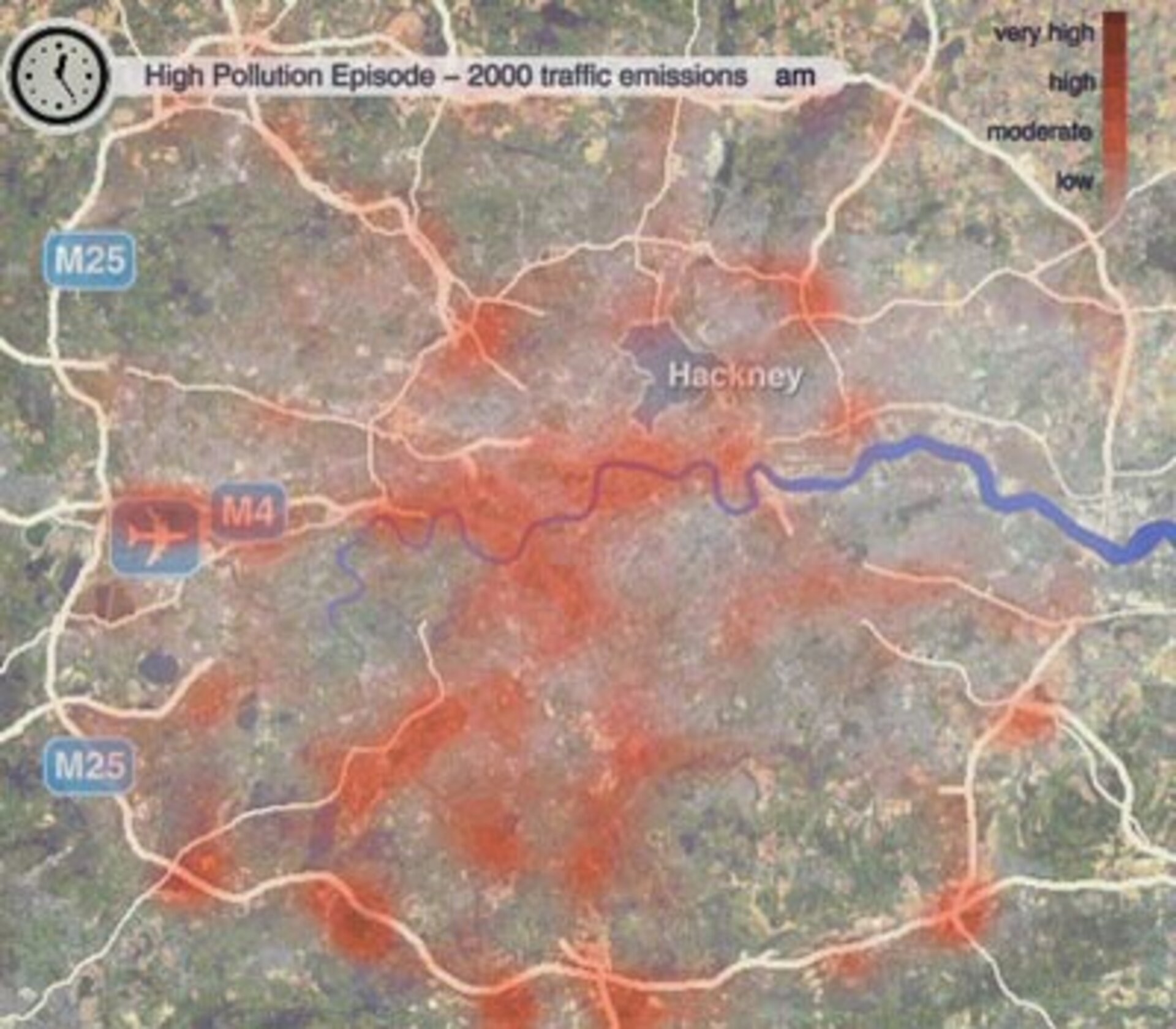
A parte le grandi scelte politiche, utilizzando i dati rilevati da satellite sono stati messi a punto anche servizi utili per i cittadini. Un migliaio di londinesi, per esempio, hanno partecipato a un test di previsione di qualità dell’aria promosso dall’ESA. Come sono andate le cose?
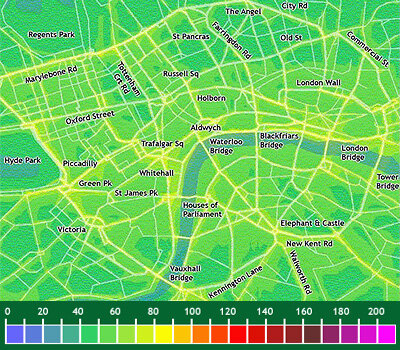
Il test ha avuto un notevole successo: nonostante gli obiettivi piuttosto ambiziosi, le previsioni sono state verificate con precisione. In alcune zone di Londra e a sud della capitale, si voleva prevedere il livello di inquinamento strada per strada, fornendo separatamente indici da 1 a 10 su vari elementi inquinanti: polveri sottili, biossido di azoto, ozono a bassa quota. Le previsioni sono state poi inviate via sms a un migliaio di persone con problemi respiratori più o meno lievi.
Per prevedere il livello di inquinamento sono state messe insieme le previsioni sulla qualità dell’aria e tutte le informazioni relative alle sorgenti inquinanti diffuse sul territorio, come per esempio quelle relative al livello del traffico nelle singole strade. Una delle complicazione è dovuta al fatto che è necessario un approccio satellitare perché l’inquinamento urbano non dipende solo dall’inquinamento prodotto in quella specifica città.
Nel caso in questione si è dovuto tenere conto di una massa di aria fortemente inquinata che si è formata sull’Europa Centrale qualche giorno prima e è arrivata su Londra nei giorni dal 24 al 26 giugno, provocando elevati livelli di inquinamento da ozono.

L’esperimento fa parte di una iniziativa più ampia, Promote, che offre un portfolio di servizi ai cittadini. Di che si tratta?
L’esisto positivo di un test come quello di Londra ci spinge a battere questa strada: fornire ai cittadini dei mezzi semplici, pratici e affidabili non tanto per risolvere un problema, ma per subirne le minime conseguenze possibili. Una volta previsto il livello di inquinamento nelle singole strade di una città, si può provare a scegliere un percorso che rende minima l’esposizione alle polveri sottili. Si consideri che solo in Gran Bretagna si stima che ogni anno ci siano 24 mila morti prematuri per complicazioni dovute all’inquinamento atmosferico. Se si riesce a fornire un sistema che permetta alle persone di diminuire anche di poco l’esposizione a fattori di rischio, ne avremmo un guadagno rilevante in termini di vite umane.
Lo stesso vale, per esempio, per la prevenzione dei tumori alla pelle: nota la località e l’ora del giorno, è possibile predire dopo quanti minuti di esposizione al Sole un particolare tipo di pelle corre il rischio di arrossamento e avvertire le persone con uno sms personalizzato. Si tratta, in definitiva, di servizi molto semplici ma che possono avere effetti concreti e significativi.
Nota:
Le interviste
Dal maggio 2000, con cadenza settimanale, RAI NEWS 24 - canale televisivo digitale della RAI dedicato all'aggiornamento in tempo reale - riserva all'ESA uno spazio di approfondimento di 5 minuti: un'intervista su una notizia di attualità legata alle attività nello spazio.
I servizi vengono ritrasmessi ulteriormente su RAI International e RAI 3. Si va dagli approfondimenti sulla Stazione Spaziale Internazionale, alle scoperte scientifiche dei satelliti dedicati all'astronomia, alle applicazioni concrete legate alle osservazioni della Terra dallo spazio.
Il giornalista della Rai, Lorenzo di Las Plassas, passa cinque minuti con il rappresentante dell'ESA, Stefano Sandrelli, per dare un'idea dell'argomento e per approfondirne un aspetto, in modo che, leggendo di seguito le interviste relative a uno stesso settore se ne abbia uno spaccato sempre più ampio, venendo a conoscenza di cose sempre nuove.
Per ulteriori informazioni, rivolgersi a: Simonetta.Cheli@esa.int.