Programma Meteosat: lanciato il Meteosat 9
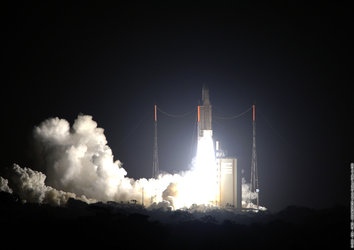
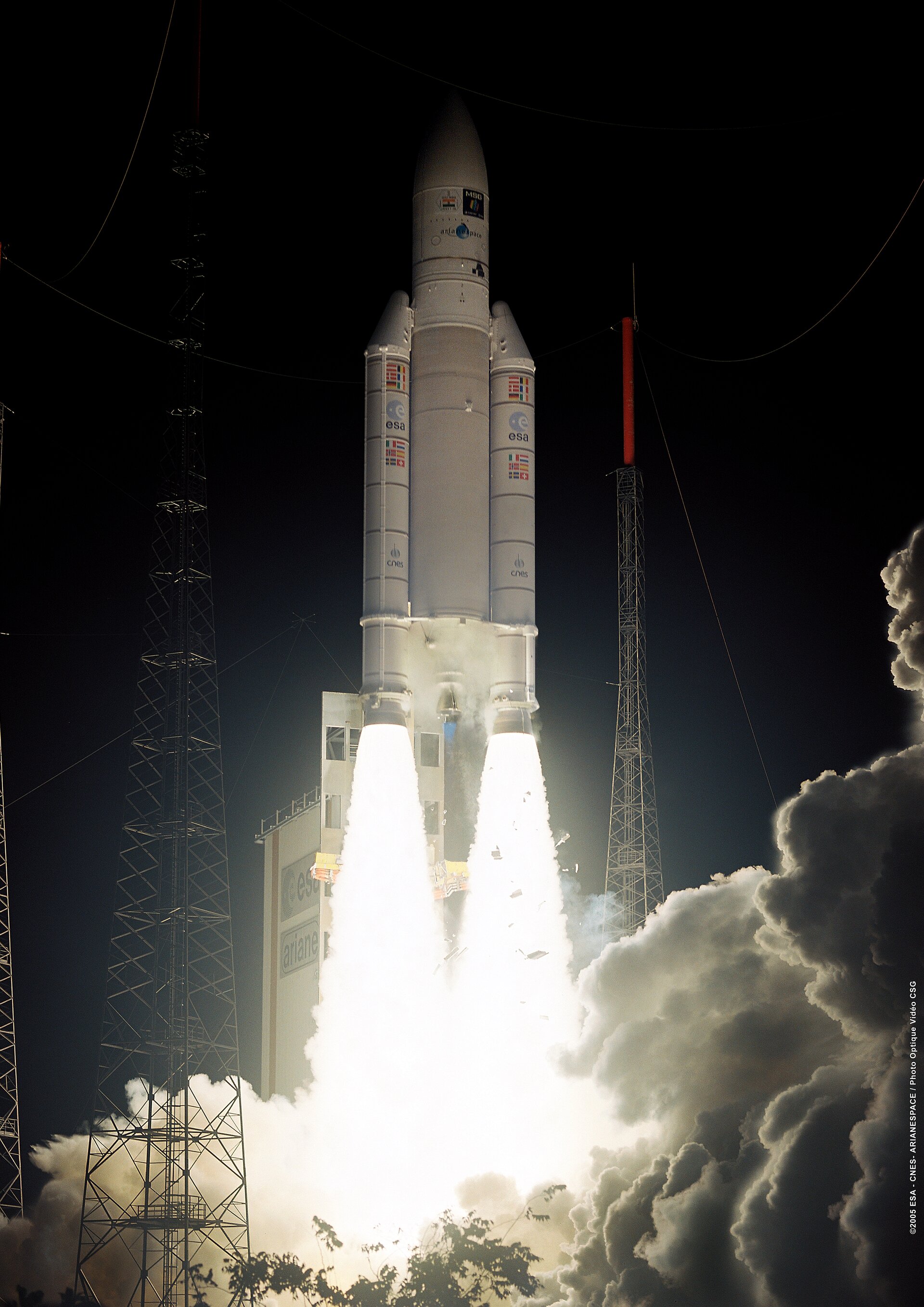
INTERVISTA 40-2005. Mercoledì 21 dicembre, un Ariane 5 ha lanciato dalla base europea di Kourou il Meteosat 9. A che punto siamo con il programma meteorologico dell’ESA?
Il Meteosat 9 è il secondo dei quattro Meteosat di nuova generazione previsti dal programma meteo dell’ESA: il primo, il Meteosat 8, è stato lanciato nell’agosto 2002 ed è oggi pienamente operativo. Con mercoledì si è aggiunto il secondo tassello del programma.
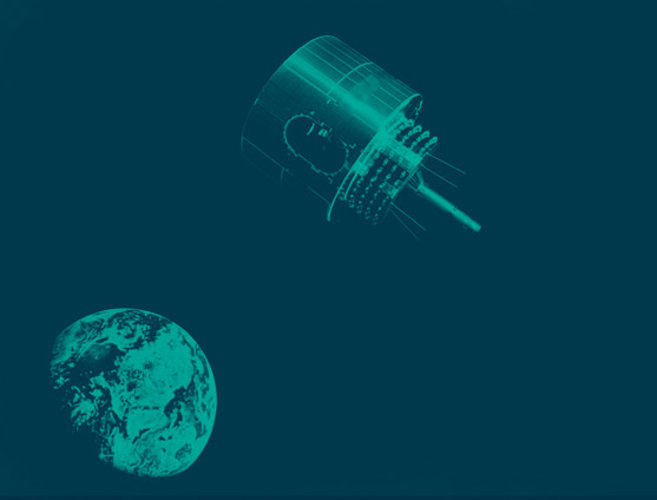
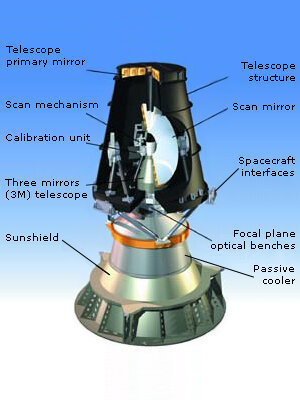
I Meteosat di nuova generazione hanno una forma cilindrica, piuttosto interessante anche dal punto di vista estetico, con un diametro di 3,2 metri e un altezza di 2,4. La massa al lancio supera di poco le 2 tonnellate, per questo è stato sufficiente un Ariane 5 in configurazione standard, che può mettere in orbita geostazionaria un carico che arriva fino a 6 tonnellate.
La gestione scientifica e commerciale spetta a Eumetsat, mentre responsabile industriale del satellite è Alcatel Alenia Spazio.
In totale sono coinvolte nel progetto oltre 50 industrie europee, fra le quali le italiane Officine Galileo e la Space Engineering S.p.A. Lo sviluppo e la costruzione sono costati circa 475 milioni di euro, finanziati per 2/3 dall’ESA e per il rimanente da Eumetsat.

Una delle difficoltà che i non esperti incontrano nel seguire le attività spaziali è che lo spazio sembra essere il palcoscenico sul quale recitano molti attori, i nomi dei quali sono sigle che dicono poco o niente. Quale è la relazione tra ESA ed Eumetsat?
Eumetsat è stata fondata nel 1986, in seguito al successo dei primi satellite Meteosat costruiti dall’ESA. Da allora vive di vita autonoma. Oggi Eumetsat utilizza Meteosat-6, Meteosat-7 e Meteosat-8 per Europa e Africa mentre Meteosat-5 per l’Oceano Indiano. Dati, prodotti e servizi non sono utili solo per il meteo ma anche per monitorare il cambiamento climatico.
La difficoltà è più che comprensibile, perché nel settore spazio operano realtà diverse fra loro: agenzie intergovernative, come appunto l’ESA; agenzie nazionali, come l’ASI (Agenzia Spaziale Italiana); società private nate dall’ESA ma che ora hanno vita indipendente, come Eumetsat ma anche come Arianespace che commercializza i lanciatori europei.
Seguire questi aspetti non è semplice: in seguito all’esplosione della globalizzazione, per essere più competitiva sul mercato, anche la realtà industriale europea, già di per sé complessa, si è notevolmente movimentata. Per esempio nel luglio 2004 Alenia Spazio, una società del gruppo Finmeccanica, si è fusa con l’industria francese Alcatel, dando vita ad Alcatel Alenia Spazio, il 67% della quale è del gruppo Alcatel, mentre il 33% della Finmeccanica. Nonostante questo, però, quando sui media ci si riferisce ad Alenia Spazio raramente la si chiama Alcatel Alenia Spazio. Questo non aiuta i cittadini a comprendere i fenomeni in corso.
Che cosa cambia nelle previsioni del tempo con il lancio del Meteosat 9?
Ogni satellite ha caratteristiche che permettono di migliorare notevolmente le previsioni del tempo rispetto alla generazione satellitare precedente.
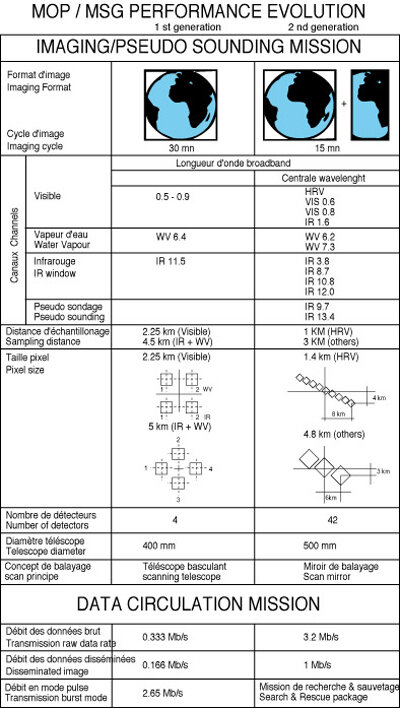
Per esempio lo strumento principale il SEVIRI (Spinning Enhanced Visible and Infra-red Imager) compie osservazioni in dodici bande spettrali diverse e non più tre, come in passato.
E acquisisce nuove immagini ogni 15 minuti, contro il 30 dei vecchi Meteosat. Anche la risoluzione spaziale è migliorata: nel canale spettrale della luce visibile, per esempio, dai 2,5 km dei vecchi Meteosat si è passati a 1 km dei nuovi satelliti.
Questo significa che siamo ora in grado di osservare coperture nuvolose di estensione minore. Ma anche la trasmissione dati è migliorata: utilizzando trasmissione in digitale possiamo otteniamo un trasferimento dati fino a 3,2 milioni di bits al secondo (3,2 Mbps), 20 volte più veloce di quella dei Meteosat di prima generazione: un valore prossimo a quello delle offerte commerciali della banda larga terrestre.
I satelliti si trovano in orbita geostazionaria e ruotano sul proprio asse a 100 giri al minuto (100 rpm) per migliorare la stabilità: per i prossimi anni il Meteosat 8 continuerà a essere il satellite principale, mentre il Meteosat 9 si preparerà a sostituirlo.
I Meteosat nascono come satelliti per le previsioni del tempo. Accennavi però al fatto che possono dare un contributo allo studio del cambiamento climatico. In che modo?
SEVIRI fornisce molte immagini a lunghezza d’onda diversa che si prestano a molti utilizzi: dal monitoraggio della salute della vegetazione allo svilupparsi di incendi, al tracciamento delle tempeste di sabbia nel Sahara.
Per quanto riguarda il cambiamento climatico, SEVIRI è una sorgente chiave per un progetto internazionale volto a misurare la temperatura della superficie dei mari in tempo quasi reale e a elevata risoluzione. La temperatura superficiale dei mari è un aspetto fondamentale: ci indica il livello di evaporazione dei mari e la conseguente immissione di energia e di umidità in atmosfera.
Anche lo strumento GERB (Geostationary Earth Radiation Budget) a bordo dei Meteosat di nuova generazione ci dà indicazioni che possono essere utili in chiave climatica. GERB misura il bilancio radiativo della Terra sia di notte che di giorno: cioè la quantità di radiazione solare che viene riflessa o che viene riemessa come calore. Il bilancio radiativo è uno degli aspetti scientifici fondamentali per comprendere la circolazione generale dell’atmosfera. Anzi, in futuro, si potrebbe decidere di mettere in orbita molti satelliti dotati di uno strumento simile al GERB, proprio per avere una visione complessiva del bilancio radiativo della Terra nel suo complesso.
Nota:
Le interviste
Dal maggio 2000, con cadenza settimanale, RAI NEWS 24 - canale televisivo digitale della RAI dedicato all'aggiornamento in tempo reale - riserva all'ESA uno spazio di approfondimento di 5 minuti: un'intervista su una notizia di attualità legata alle attività nello spazio.
I servizi vengono ritrasmessi ulteriormente su RAI International e RAI 3. Si va dagli approfondimenti sulla Stazione Spaziale Internazionale, alle scoperte scientifiche dei satelliti dedicati all'astronomia, alle applicazioni concrete legate alle osservazioni della Terra dallo spazio.
Il giornalista della Rai, Lorenzo di Las Plassas, passa cinque minuti con il rappresentante dell'ESA, Stefano Sandrelli, per dare un'idea dell'argomento e per approfondirne un aspetto, in modo che, leggendo di seguito le interviste relative a uno stesso settore se ne abbia uno spaccato sempre più ampio, venendo a conoscenza di cose sempre nuove.
Per ulteriori informazioni, rivolgersi a: Simonetta.Cheli@esa.int.