Ready for dinner on Mars?
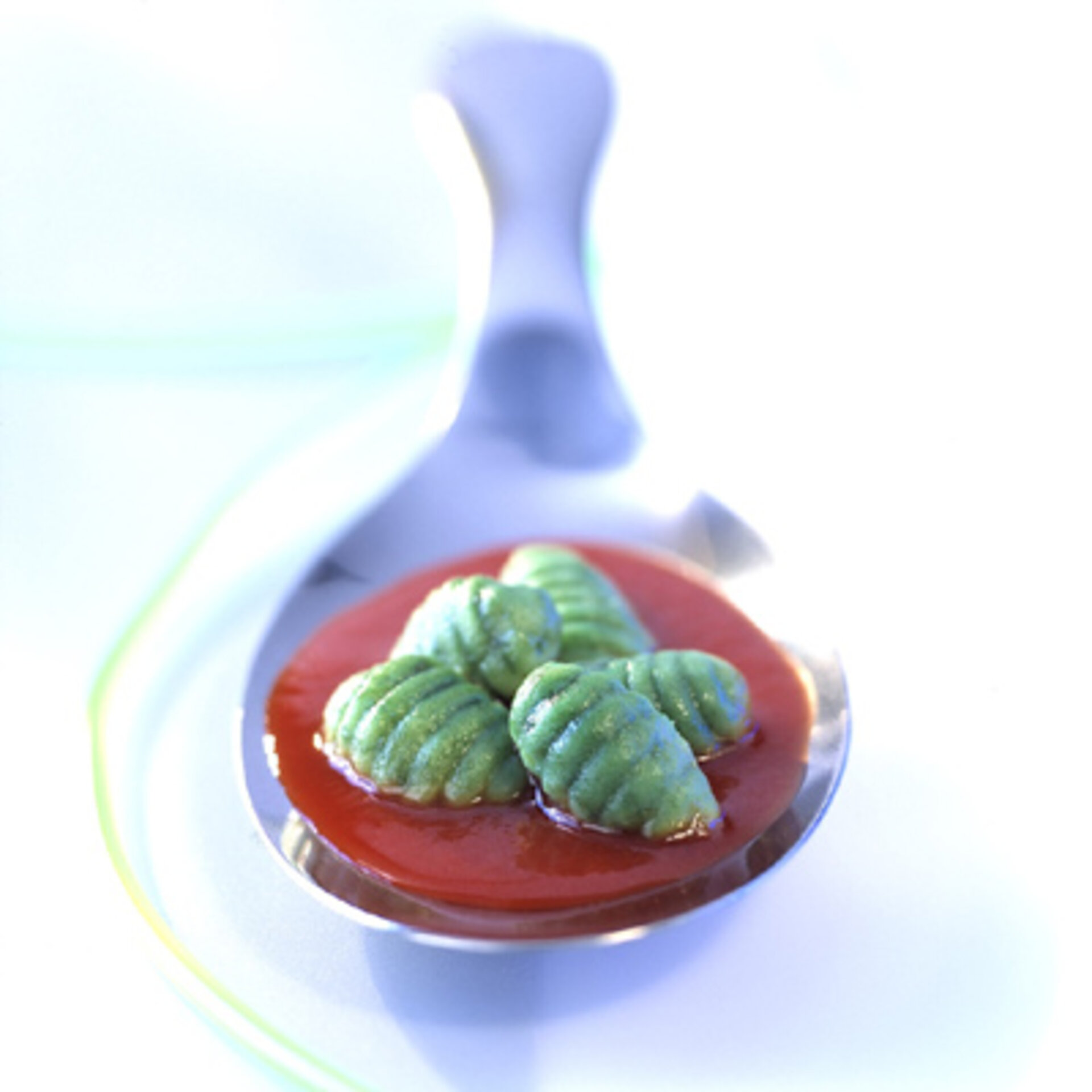
'Martian bread and green tomato jam', 'Spirulina gnocchis' and 'Potato and tomato mille-feuilles' are three delicious recipes that two French companies have created for ESA and future space explorers to Mars and other planets.
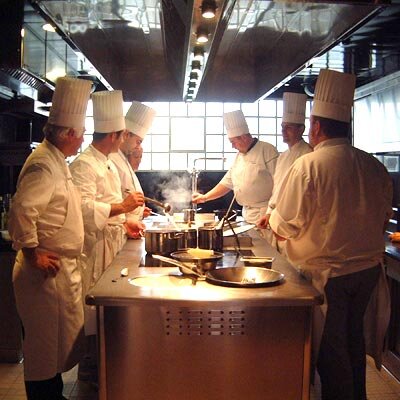
The challenge for the chefs was to offer astronauts well-flavoured food, made with only a few ingredients that could be grown on Mars. The result was 11 tasty recipes that could be used on future ESA long-duration space missions. ADF – Alain Ducasse Formation and GEM are the two French companies that produced the recipes, and their mutual experience in creating new products and ‘haute cuisine’ have led to excellent results.
The menus were all based on nine main ingredients that ESA envisions could be grown in greenhouses of future colonies on Mars or other planets. The nine must comprise at least 40% of the final diet, while the remaining (up to) 60% could be additional vegetables, herbs, oil, butter, salt, pepper, sugar and other seasoning brought from Earth.
"We are aiming initially at producing 40% locally for astronauts' food on future long-duration space missions, for example to Mars," says Christophe Lasseur, ESA's biological life-support coordinator responsible for recycling and production of air, water and food for long-term space missions.

"Why 40%? By growing enough plants to cover around 40% of what we eat, we also get 'for free' the oxygen and water needed to live", explains Lasseur.
The nine basic ingredients that Lasseur plans to grow on other planets are: rice, onions, tomatoes, soya, potatoes, lettuce, spinach, wheat and spirulina – all common ingredients except the last. Spirulina is a blue-green algae, a very rich source of nutrition with lots of protein (65% by weight), calcium, carbohydrates, lipids and various vitamins that cover essential nutritional needs for energy in extreme environments.
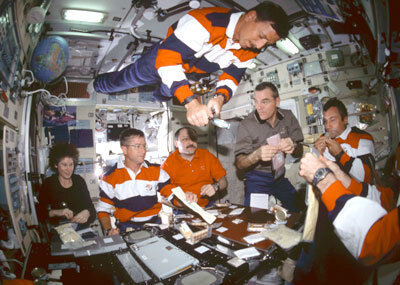
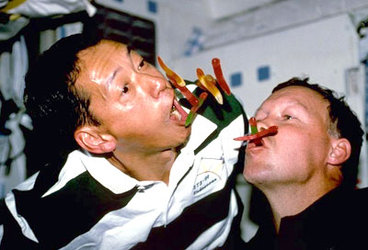
Today all the food for astronauts in space is brought from Earth, but this will not be possible for longer missions. Although still on the drawing board, ESA has already started research to see what could be grown on other planets - and what a self-supporting eco-system might look like on Mars.
"In addition to being healthy and sufficiently nutritious for survival, good food could potentially provide psychological support for the crew, away from Earth for years," emphasises Lasseur.
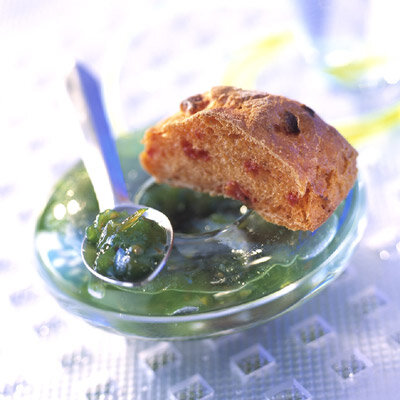
ADF chef Armand Arnal, adds: "The main challenge was to create a wide panel of recipes, distinct and full-flavoured, with only nine basic products."
"Moreover, we had absolute restrictions on using salt, but were allowed to add a bit of sugar and fat, ingredients normally essential to the elaboration of a dish and to highlight its flavours."