

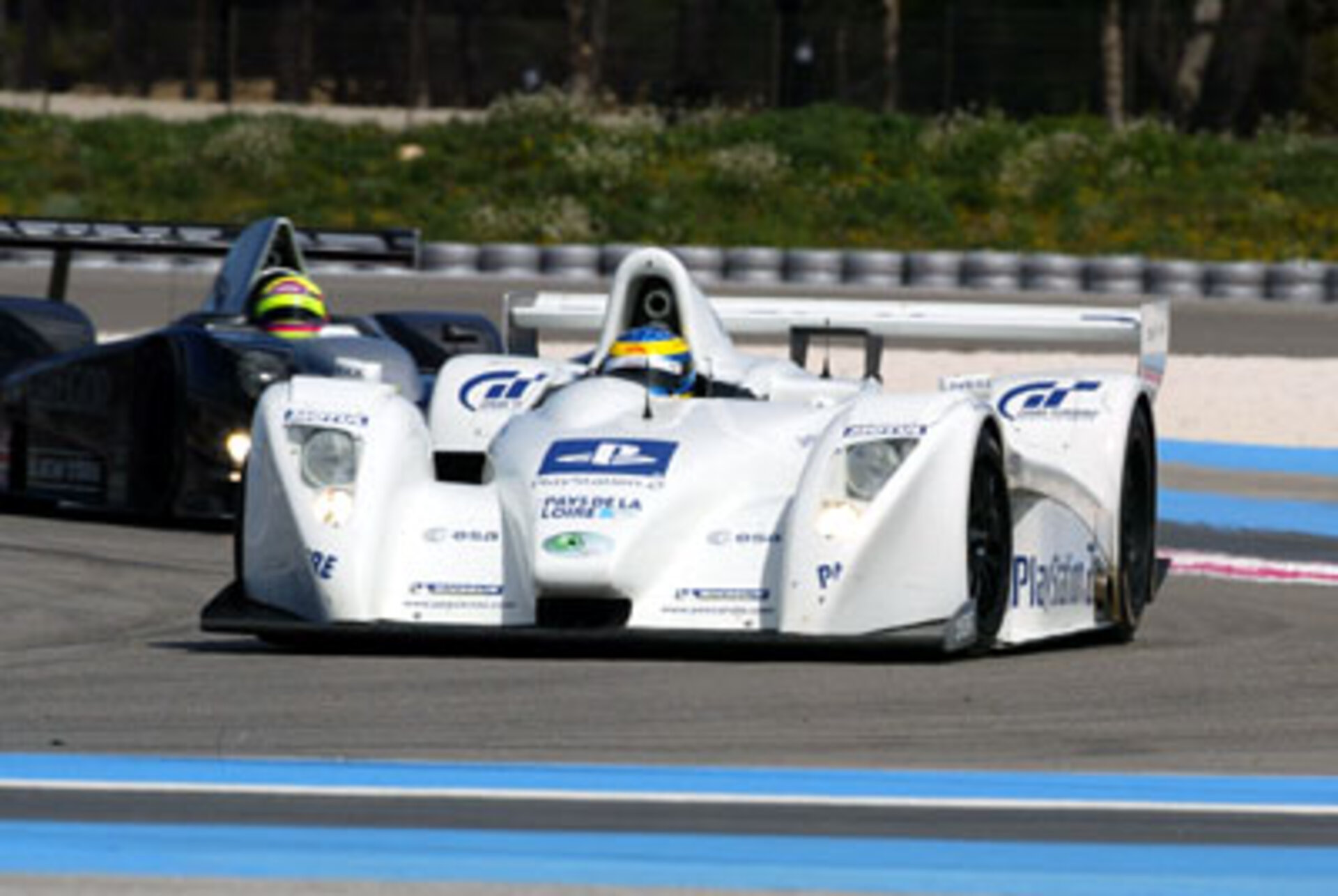
Space technology onboard Pescarolo-Judd 2004
The European Space Agency's Technology Transfer Programme (TTP) established in 2002 a partnership with Pescarolo Sport to use space technologies for motor racing.
"With Henri Pescarolo we get the chance to put our technologies under extreme stress in an automobile environment. When they have proven their worth in extreme races, they will find their way into mass-produced cars we all use everyday, enhancing safety, reliability and comfort, contributing to greater overall safety on our roads," says Pierre Brisson, Head of ESA's Technology Transfer and Promotion Office.
Advanced space technologies have improved each of this year's Pescarolo-Judd's two prototype racing cars in three areas:
- Stiff and light satellite composite materials have been used to reinforce the chassis and reduce the weight improving the car's aerodynamic performance and driving stability
- Insulation materials from the European launcher Ariane have been installed to limit heat transmission from engine and exhaust and make the car safer
- Hybrid bearings from satellite instruments and Ariane fuel pumps have been used to reduce friction and lower weight, thereby improving performance and speed.
These space technologies will be put to the test by Pescarolo in all four 1000 km Endurance Series races and at the 24-hour Le Mans race:
- Monza 1000 km in Italy, 8-9 May 2004
- 24-hour Le Mans in France, 12-13 June 2004
- Nürburgring 1000 km in Germany, 10-11 July 2004
- Silverstone 1000 km in the United Kingdom, 14-15 August 2004
- Spa-Francorchamps 1000 km in Belgium, 11-12 September 2004
Pescarolo-Judd already started the season well at Monza finishing in fourth position.
Space composite materials improve aerodynamic performance
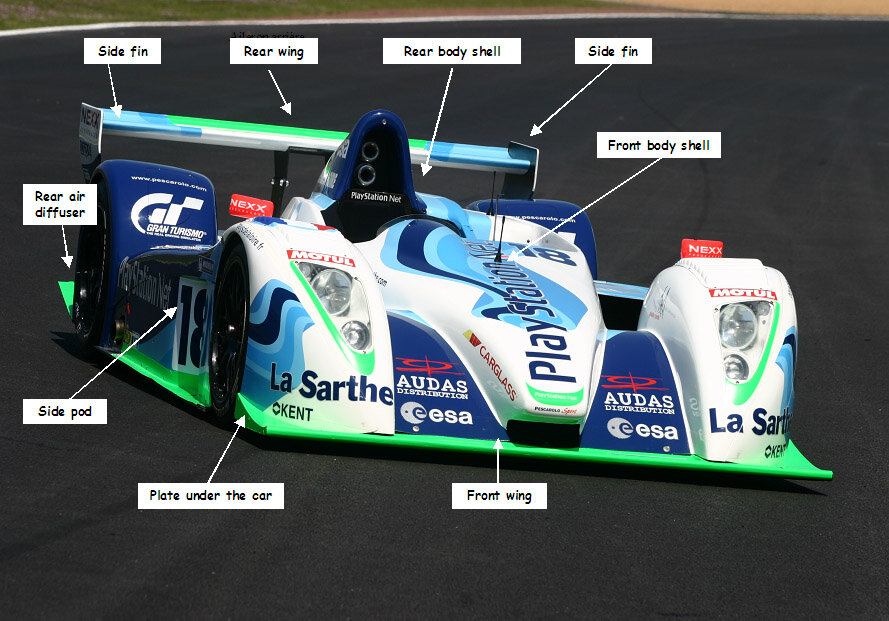
High performance composites developed for satellite structures are used by Pescarolo Sport in several body structures of key importance and have resulted in an overall improved racing performance. These space composite materials are very stiff and light, and by using them it has been possible for Pescarolo to construct a more rigid chassis with better aerodynamic performance.
The overall weight of the car has been reduced by 38 kg providing a lower point of gravity, helping the team to better optimize the weight distribution. The following parts are constructed with space composites:
- front and rear wings
- plate under the car
- front and rear body shells
- Side pods and side fins
- Rear air diffuser
Space insulation makes the car safer
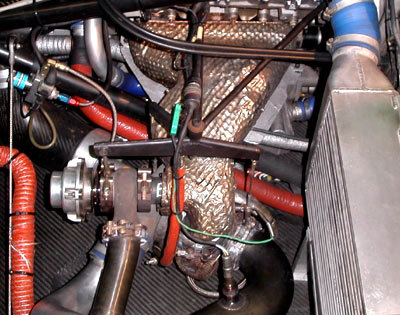
Insulation materials from the European launcher Ariane are used to limit heat transmission reducing fire hazards and increasing driver comfort, by keeping the temperature lower inside the driver's cockpit.
A plate of carbon-fibre/aluminium insulates the engine, reducing the heat diffusion towards the petrol tank and driver's cockpit. A material of micro-porous quartz ceramics is installed around the 800º C exhaust system, the hose connectors, heat exchangers and alternators to reduce fire hazards.
Go faster space bearings
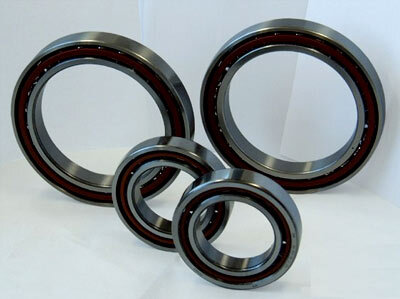
The cars carry special bearings developed for European space programmes, by the French company SNR. They are constructed with a stainless steel ring and ceramic balls to reduce the friction and weight. They work with very little lubricant to reduce the friction and torque forces.
Today these bearings are used onboard satellites in gyroscope systems to guarantee reliable operation throughout a satellite's lifetime. On the European launcher Ariane, the two turbo pumps operate the same type of technology spinning at 40 000 rpm to fuel liquid hydrogen to the cryogenic Vulcain engine, at the extreme low temperature of minus 169º C.
The four wheels on the Pescarolo-Judd car are mounted with similar bearings, slicing another 2kg off the weight and improving the dynamic performance of the suspension.


