El instrumento principal de SMOS cobra vida
El instrumento MIRAS a bordo del satélite de la ESA SMOS, lanzado a principios de este mes, ya ha sido conectado y está funcionando con normalidad. MIRAS cartografiará la humedad del suelo y la salinidad de los océanos para comprender mejor el papel que juegan estas dos variables en la regulación del ciclo del agua de la Tierra.
“Tras encenderlo, MIRAS y todos sus subsistemas clave están funcionando perfectamente. Los receptores, la fibra óptica y la unidad de correlacionado están en perfectas condiciones”, comenta Manuel Martín-Neira, Ingeniero de la ESA responsable del Instrumento Principal de SMOS. “Hemos sido capaces de generar una buena serie de datos de prueba, incluso antes de la calibración en órbita.”
MIRAS, acrónimo inglés del Radiómetro de Microondas basado en la Síntesis de Apertura, es un radiómetro en banda-L formado por 69 antenas receptoras montadas sobre tres brazos desplegables, que mide la radiación que emite la Tierra.
Para poder medir con precisión, la diferencia de temperatura entre los distintos receptores tiene que ser menor de +/-3°C, siendo la temperatura óptima de funcionamiento los 22°C. Un sistema de calentadores instalados en el satélite permiten mantener la temperatura dentro del margen necesario.

El proceso para encender el instrumento principal comienza con la activación del ordenador central de la carga útil, que controla la mayoría de los subsistemas del instrumento y da instrucciones a los modos de comando y monitorización distribuidos en cada brazo.
Para poder evaluar el comportamiento eléctrico del instrumento tras su encendido, y para limitar el consumo de potencia en los calentadores, la temperatura se mantuvo en 10°C durante el proceso de puesta en marcha.
“El sistema activo de control térmico ya está operativo y está manteniendo al instrumento dentro del rango previsto de temperaturas”, comenta Martín-Neira. “Mañana esperamos poder evaluar el comportamiento del instrumento a la temperatura final de 22°C.”
El ordenador central de la carga útil también controla la ‘memoria masiva’, que almacena todos los datos de ciencia de los receptores y los envía a las estaciones de seguimiento en tierra. El enlace de alta velocidad, que permite enviar los datos a las estaciones de seguimiento, también ha sido conectado y ya ha enviado los primeros datos al Centro Europeo de Astronomía Espacial (ESAC) de la ESA en Villafranca, España. Los sistemas de adquisición y procesado de datos, ubicados en el ESAC, también funcionan según lo previsto. La primera prueba del sistema de procesado final de los datos ha concluido también según lo previsto.
“Una vez completada la crítica fase de lanzamiento y de operaciones iniciales, los ingenieros pueden empezar a evaluar la calidad de los enlaces de datos y a concentrarse en la calibración del instrumento”, comenta Achim Hahne, Responsable del Proyecto SMOS.
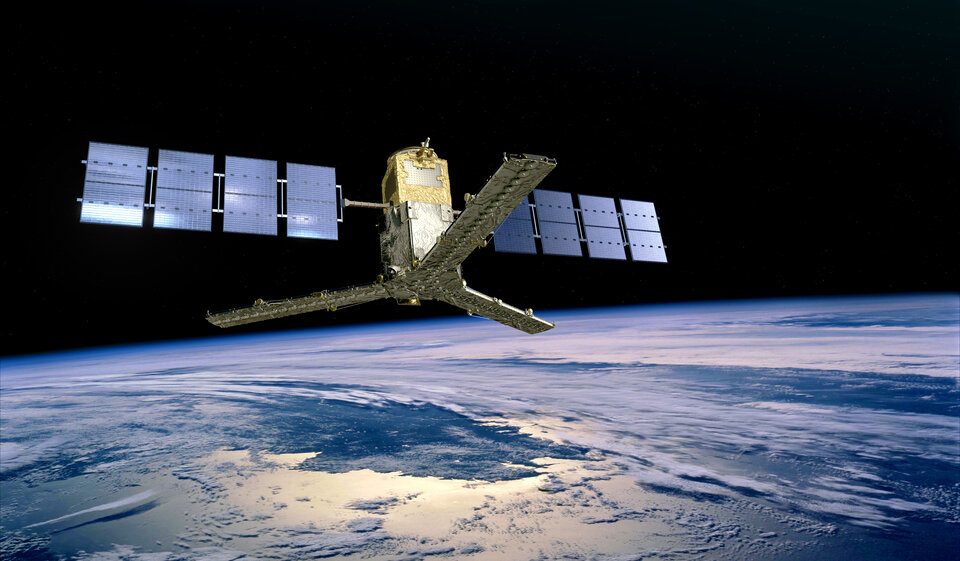
Los datos generados por MIRAS serán muy importantes para crear modelos meteorológicos y del clima, así como para la gestión de los recursos hídricos, la planificación agrícola, los estudios de las corrientes y de la circulación oceánica y la prevención de catástrofes naturales como las inundaciones.
“Estamos muy contentos de haber recibido los primeros datos de MIRAS. Esperamos que haga una gran contribución a la comunidad científica para permitir comprender mejor el ciclo del agua de la Tierra”, comenta Guillermo Buenadicha, Ingeniero de Operaciones de la carga útil de SMOS, en el ESAC.
“Estamos deseando analizar los primeros datos y empezar a probar los sistemas de procesado en la estación de seguimiento”, añade Susanne Mecklenburg, Responsable de la Misión SMOS.
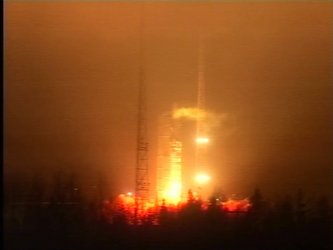
El satélite Earth Explorer (Explorador de la Tierra) SMOS fue lanzado junto al satélite de la ESA Proba-2 desde el Cosmódromo de Plesetsk, al norte de Rusia, el pasado 2 de Noviembre.