

Expertos de la ESA hablan en el Planetario de Madrid del origen del universo y de la búsqueda de otros planetas
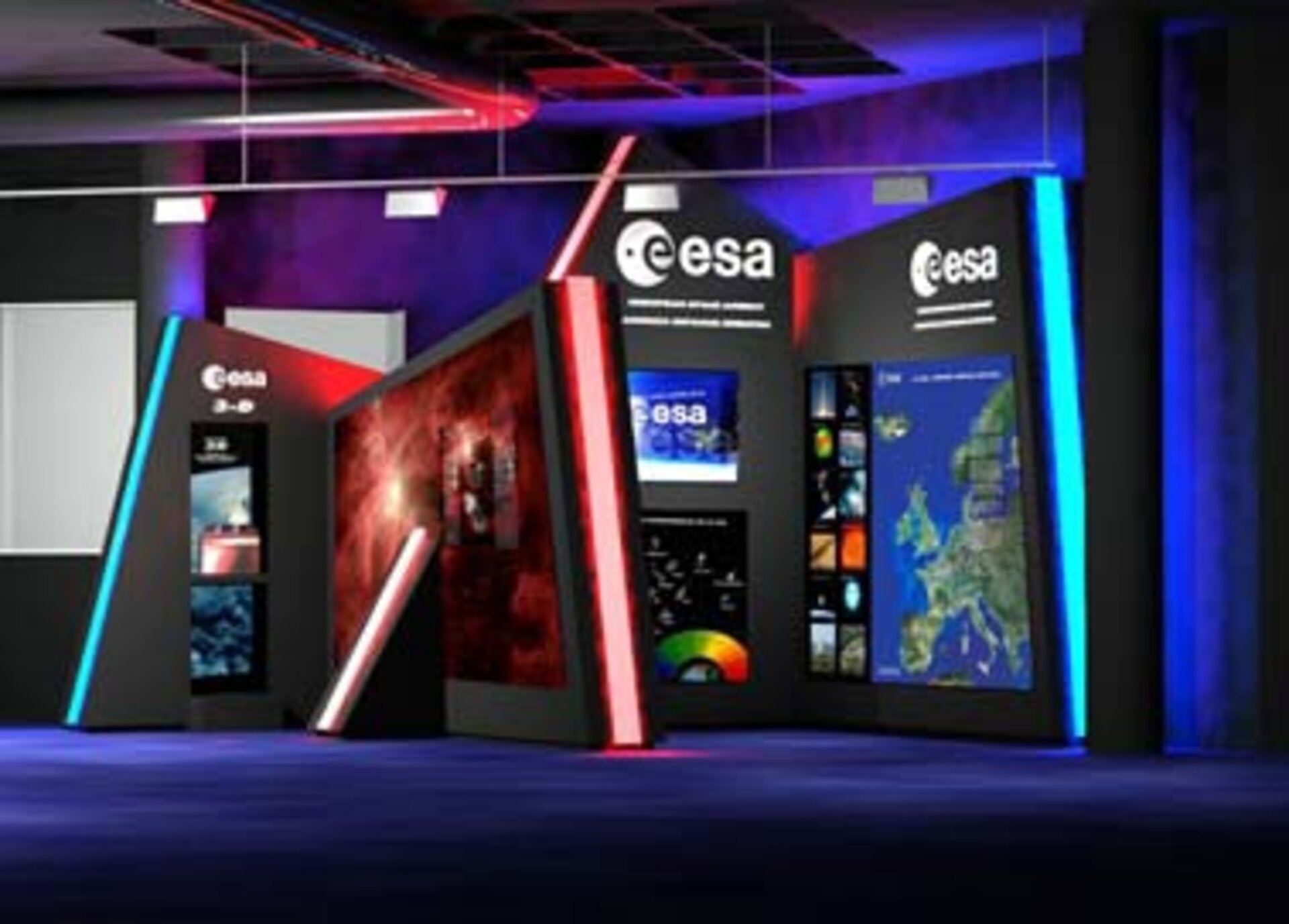
El próximo 15 de Septiembre, a las 11:30 horas, se inaugurará en el Planetario de Madrid una exposición permanente dedicada a las misiones de la Agencia Espacial Europea (ESA), así como un ciclo de conferencias a cargo de algunos de los principales expertos de la Agencia.
Los científicos de la ESA hablarán sobre la exploración europea de Marte y de Venus, con las sondas europeas Mars Express y Venus Express, y sobre cómo los recién estrenados telescopios espaciales de la ESA Herschel y Planck investigan desde otros sistemas planetarios a la formación de las primeras galaxias y el origen del universo.
La exposición permanente que el Planetario de Madrid dedica a la ESA repasa las principales misiones científicas de la Agencia, desde las sondas interplanetarias a Marte y Venus a los telescopios espaciales que observan el cosmos en infrarrojo –Herschel-; microondas –Planck-; rayos X –XMM-Newton-; y rayos gamma –Integral-. Gracias a esta gran variedad de telescopios los científicos reciben todos los tipos de luz que emiten los objetos astronómicos, y pueden estudiar así fenómenos que hasta hace relativamente poco escapaban a los instrumentos disponibles: agujeros negros, explosiones de rayos gamma, nacimiento de estrellas, formación de nuevos planetas...
El ciclo de conferencias incluye cuatro intervenciones los días 15, 17, 22 y 24 de Septiembre a las 19.00 horas.
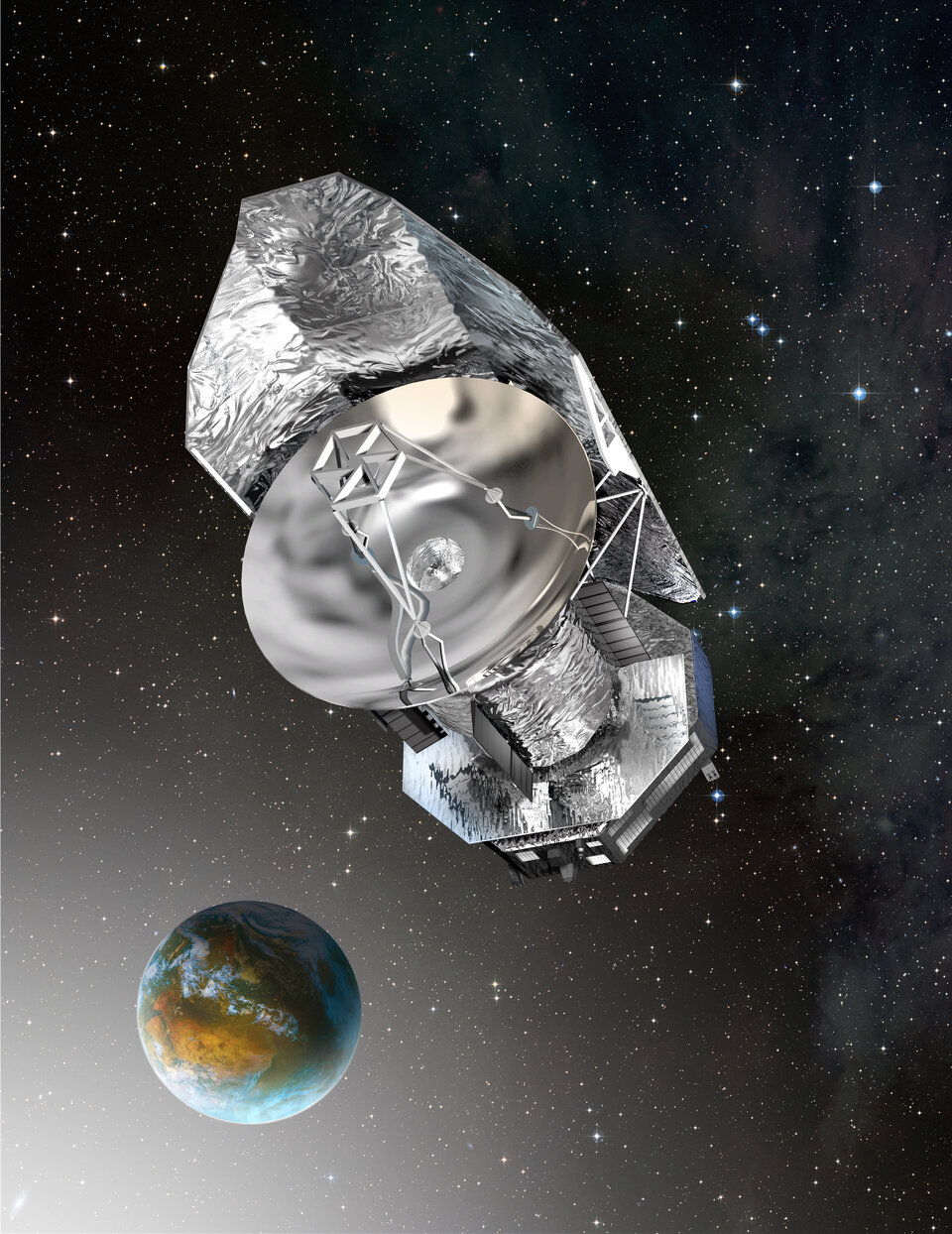
15 de Septiembre: El telescopio espacial Herschel: explorando los lugares mas fríos y distantes del Universo. Por el Dr. Pedro García Lario, astrónomo del Centro de Operaciones Científicas del telescopio espacial Herschel. Centro Europeo de Astronomía Espacial (ESAC).
El nuevo telescopio espacial Herschel, el más grande jamás puesto en órbita, revolucionará nuestro conocimiento del cosmos gracias a su capacidad para estudiar la luz de los objetos más fríos y distantes. Herschel representa la culminación de 20 años de desarrollo tecnológico y es la misión europea más ambiciosa en el campo de la astronomía espacial en la última década. Herschel observará desde los cometas helados en los confines de nuestro Sistema Solar hasta las galaxias más lejanas, formadas poco después del Big-Bang. También detectará con un detalle sin precedentes los procesos químicos, de formación de todo tipo de moléculas, en el espacio. Algunas de estas moléculas son los componentes básicos de la vida.
- 17 de Septiembre. Planetas extrasolares: la búsqueda de nuevos mundos habitables. Por el Dr. Álvaro Giménez Cañete, Coordinador de Política Científica de la ESA y Director del Centro de Astrobiología (INTA-CSIC).
La búsqueda de otros mundos más allá del Sistema Solar es uno de los retos más apasionantes para la astronomía de las últimas décadas. Desde el descubrimiento del primer planeta extrasolar alrededor de una estrella parecida al Sol, hace menos de 15 años, se han detectado más de trescientos mundos, todos ellos muy diferentes a nuestro planeta Tierra. El objetivo final de esta búsqueda es encontrar a nuestro hermano gemelo.. Se piensa que un planeta similar a la Tierra, en órbita parecida a la nuestra alrededor de una estrella como el Sol, podría albergar vida. Estudiando la atmósfera del planeta se podría identificar rasgos a favor o en contra de dicha posibilidad.
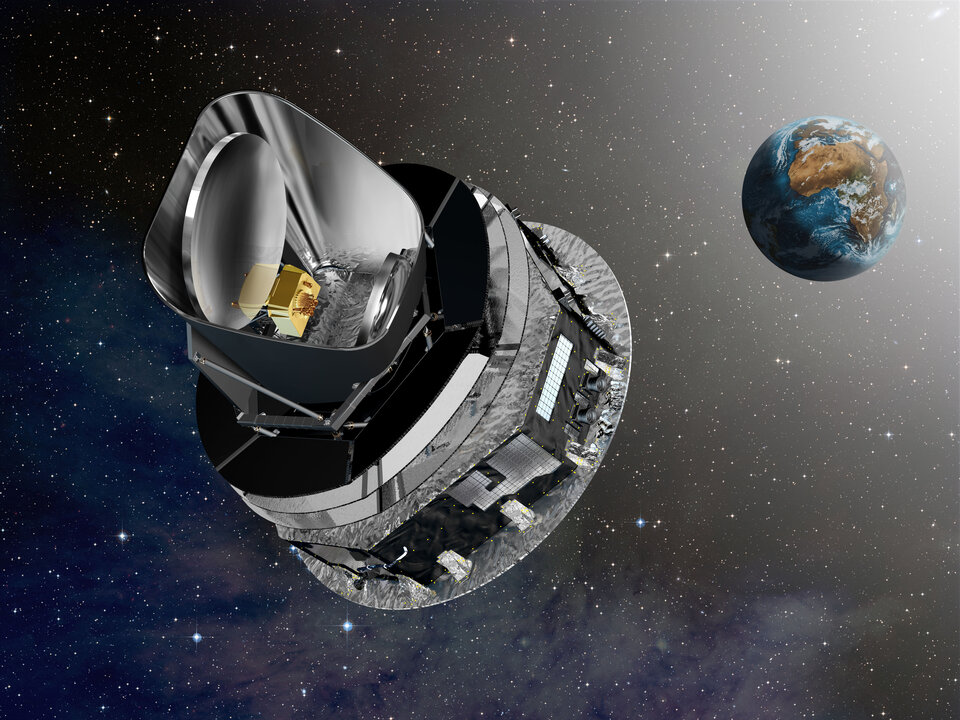
- 22 de Septiembre 2009. El telescopio espacial Planck: desvelando el origen del Universo. Por el Dr. Jan Tauber, Director Científico de la Misión Planck (ESA).
El satélite Planck es la herramienta más sofisticada jamás desarrollada para investigar el principio del Universo. Planck construirá un mapa de la llamada Radiación de Fondo de Microondas, una luz que llena todo el cielo y que fue emitida poco después del Big Bang. Esta radiación contiene información de la época en que el cosmos empezó a expandirse, y ha permitido conocer desde la edad del Universo, 13.700 millones de años, al tipo de ‘ingredientes’ que lo componen. Quedan sin embargo muchas preguntas pendientes, que Planck contribuirá a resolver.
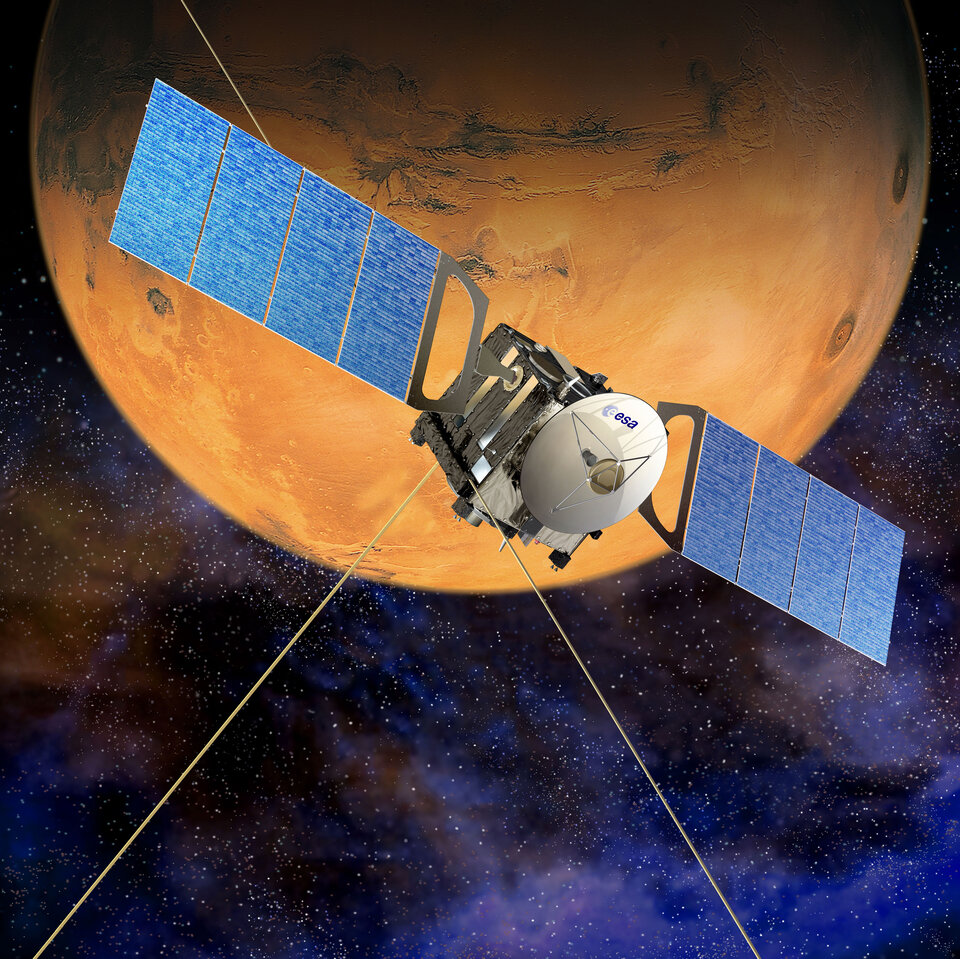
- 24 de Septiembre 2009. La exploración europea del planeta Marte. Por el Dr. Agustín Chicarro, Científico Jefe para Marte dentro del Programa de Exploración de la ESA.
La misión de la ESA Mars Express ha sido la primera nave europea en llegar a otro planeta. Lleva más de cinco años aportando datos de gran valor científico sobre la superficie, la atmósfera y el interior de Marte. Con estos datos se prepara ahora la segunda misión europea a Marte, ExoMars, para 2016, que incluye un vehículo para buscar posibles indicios de actividad biológica en el subsuelo de Marte. El programa europeo de exploración continuaría con otras misiones a Marte los años 2018 y 2020. El objetivo a largo plazo de la exploración robótica de Marte es la recogida y retorno a la Tierra de muestras de rocas marcianas, por su interés científico y con el fin de preparar misiones tripuladas en un futuro más lejano.
Sobre la Agencia Espacial Europea (ESA)
La ESA es la organización que canaliza la investigación espacial de 18 países europeos. España aporta cerca del 8% del presupuesto global de la Agencia, y es el quinto país que más contribuye a las actividades de la ESA. Gracias a la ESA Europa posee su propia base espacial, sus cohetes lanzadores, su Cuerpo de Astronautas, sus satélites de Telecomunicación, Observación de la Tierra y Navegación y sus laboratorios espaciales a bordo de la Estación Espacial Internacional. Además, las misiones científicas de la ESA han situado a Europa a primer nivel mundial en el estudio la atmósfera de la Tierra, su clima, su gravedad y sus procesos geológicos, así como en la investigación del Sol, la Luna, Venus, Marte, el sistema de Saturno, cometas y asteroides, y del Universo en general.
Más información sobre la Exposición y el Ciclo de Conferencias en el Planetario de Madrid:
Las conferencias tendrán lugar en la Sala de Proyecciones del Planetario de Madrid. La entrada es gratuita (aforo 250 personas), previa reserva.
Ésta se realiza mediante:
Correo electrónico buzon@planetmad.es, indicando:
- El telescopio espacial Herschel, explorando los lugares mas fríos y distantes del Universo - Ref. Herschel
- Planetas extrasolares: la búsqueda de nuevos mundos habitables - Ref. Extrasolares
- El telescopio espacial Planck: desvelando el origen del universo - Ref. Planck
La exploración europea del planeta Marte - Ref. Marte
- Por teléfono: 91 467 34 61 / 91 467 35 78
Planetario de Madrid
Avda. del Planetario 16. Parque Tierno Galván
28045 Madrid
Tel. 91 467 34 61 / 91 467 38 98 • fax 91 468 11 54
buzon@planetmad.es o www.planetmad.es
Acessos:
Transporte público
Méndez Álvaro
Línea 6 (gris) Autobuses
Méndez Álvaro
Líneas C5 C7B C10
8 Legazpi / Valdebernardo
102 Atocha / estación El Pozo
148 Plaza Callao / Puente Vallecas
152 Avda. Felipe II / Méndez Álvaro
Transporte privado
Desde M30, salida a calle Méndez Álvaro (salida 11) y giro a Avenida del Planetario. No se aconseja tomar los túneles del by-pass Sur.

