Cosmic Vision 2015-2025 media briefing - 19 April 2005
PR 18-2005. April 2005 is important in two ways for ESA Science. It marks a significant anniversary for Europe’s role in space science but it is also a point of departure for the next 15-20 years of exploring the Universe from space.
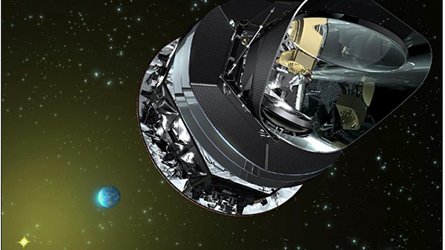
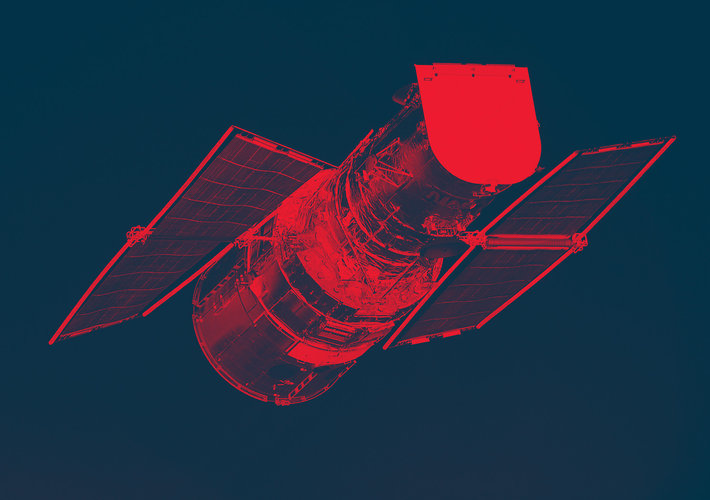
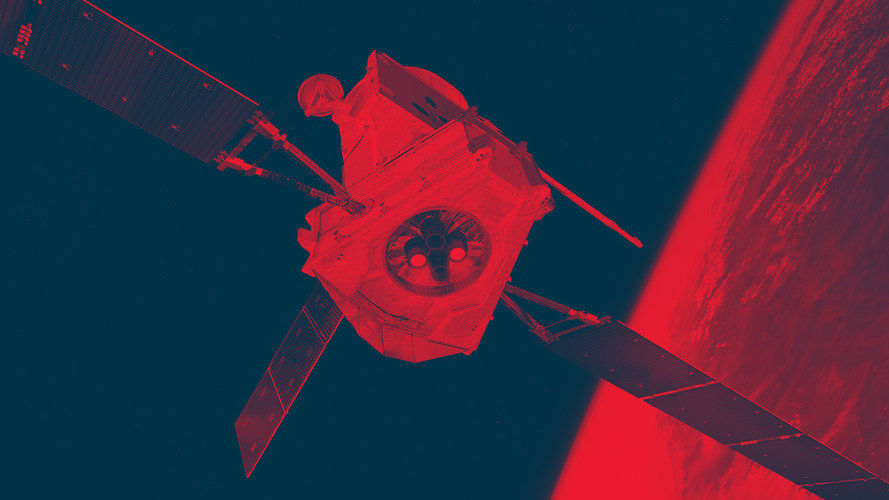
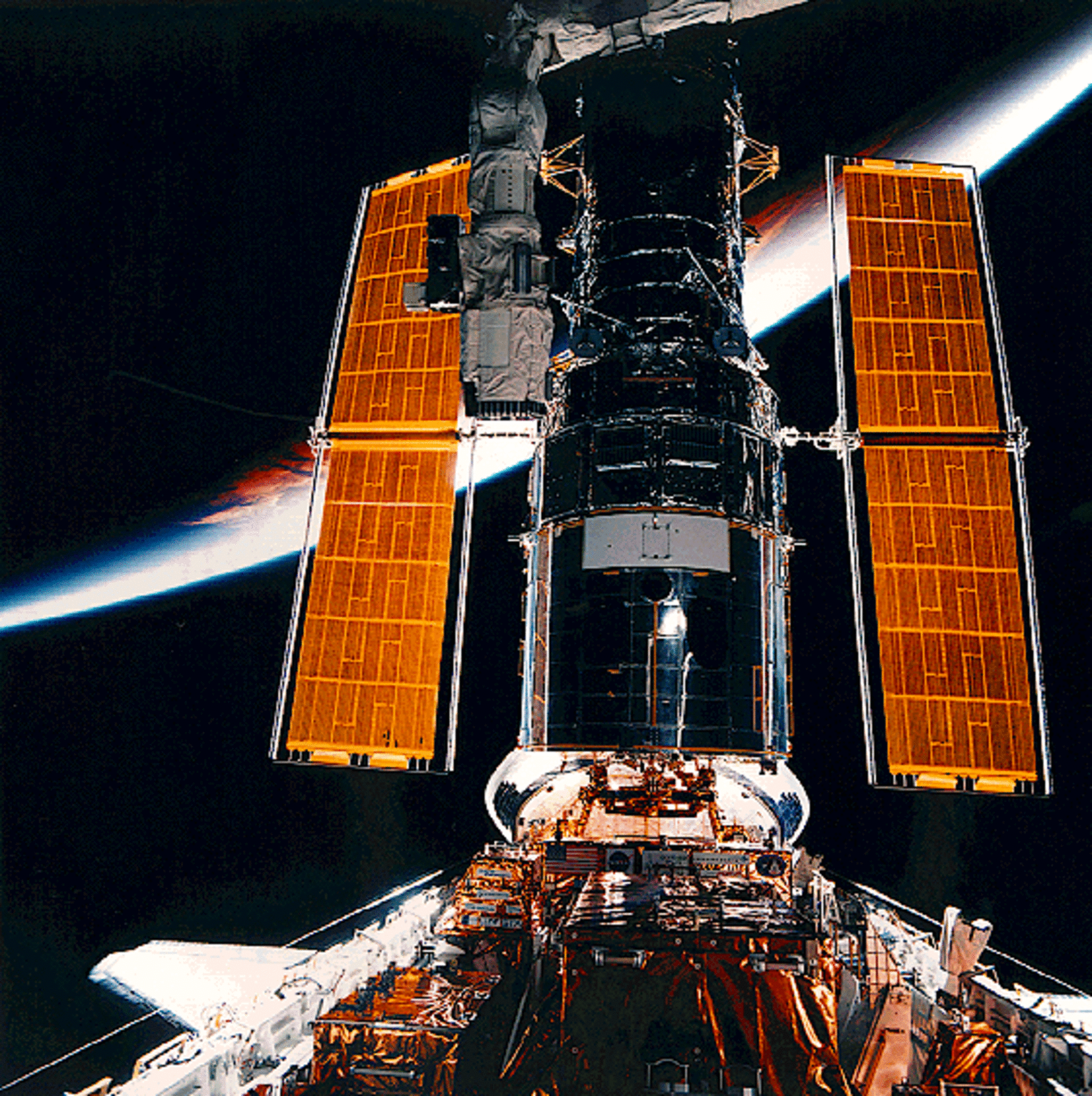
The anniversary in question is the 15th anniversary of the launch of the Hubble Space Telescope, NASA and ESA’s joint initiation of a new generation of space astronomy. But new vistas continue to open up. Even more breathtaking than the past achievements of Hubble are the prospects offered by the ideas put up by the European science community for the next 15-20 years. These form ESA’s Cosmic Vision plan.
On 19 April over 150 scientists from all ESA member states will convene at the European Space Research and Technology Centre in Noordwijk, the Netherlands, for a three-day symposium entitled 'Trends in Space Science and Cosmic Vision 2015-2025'. The conference will include a number of invited talks giving an overview of the scientific themes that will form the basis of future ESA missions.

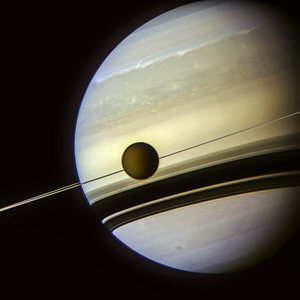
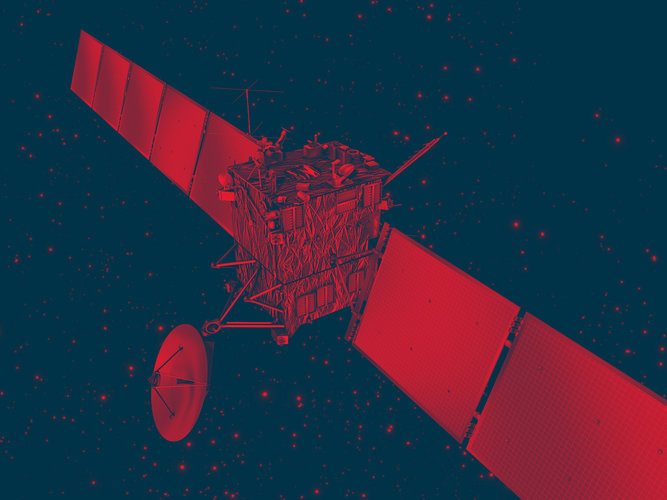
Topics to be addressed now will keep space scientists busy over the next 15-20 years. Amongst them are: the nature of planets beyond our solar system; a possible mission to Jupiter and its moon Europa, or perhaps back to Titan; spotting the first black holes; an interstellar probe powered by a solar sail; and many others. Open questions include the priority ESA should give to near-Earth objects and the threat they pose, or whether and when we should return to a comet after Rosetta.
Members of the media are invited to a press conference at 10.00 CET on 19 April, at ESA's visitor centre at Space Expo in Noordwijk, The Netherlands. The press briefing will provide an overview of the current ideas for new missions, the expected results and their implications for the advancement of science and human knowledge.
Programme
09.30 Arrival/Registration/Coffee in the Mars Corner at Space Expo
10.00 Welcome
10.00 Present and future of ESA's Science Programme
Prof. David Southwood (ESA Director of Science)
10.15 Hubble: Fifteen years of discovery
Dr Duccio Macchetto (Head of ESA Space Telescope Division)
10.30 Europe's space science in 15 years’ time
Prof. Giovanni Bignami (Chairman of ESA Space Science Advisory Committee)
10.45 Question and answer time
11.00 End
Members of the media interested in attending the briefing or listening to it via telephone should complete the application form and return it as soon as possible by fax as indicated.
Instructions on how to listen in via the telephone line will be given to those that register. The presentation material will be made available to registered participants via the worldwide web shortly before the briefing.
For further information, please contact:
ESA Communications Office, Noordwijk (ESTEC)
Tel: +31 (0)71 565 3006
Fax: +31 (0)71 565 5728