|  |  |  |  |
| |  | |  | |
 |
About Observing the Earth How does Earth Observation work?How to get Earth observation dataIntegrating Earth Observation in your jobEarth Observation users speakEO programmes The Living PlanetGMESESA's Earth Observing missions Envisat overviewERS overviewEarth Explorers overviewSentinels overviewMSG overviewMetOp overviewProba-1 overviewThird Party Missions overview Opportunities with us Multimedia Services CalendarSubscribe
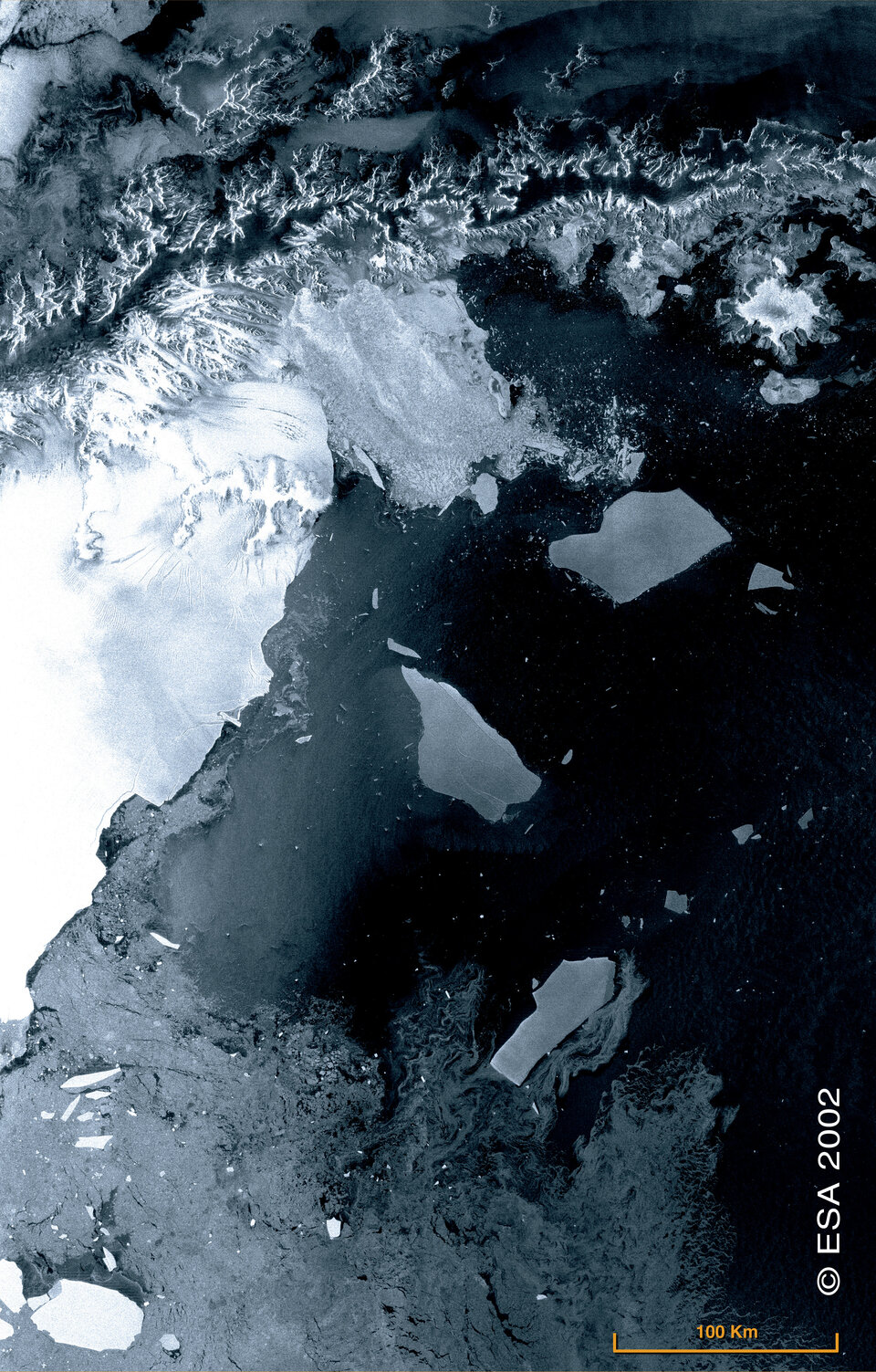
|  |  |  |  | | | Envisat ASAR first check-up of the Earth - The story in pictures 28 March 2002
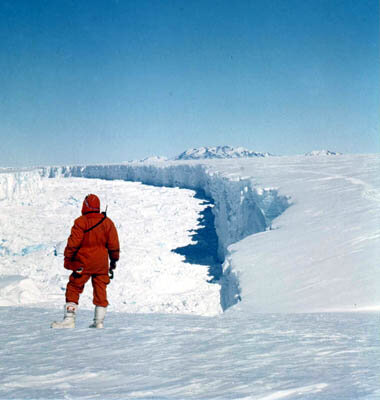
 | The Antarctic Peninsula resembles a 1,000-km-long arm reaching up towards the southern tip of South America. In the past its eastern coast has been entirely overhung by an ice shelf. Envisat’s first image of the collapsed Larsen B ice shelf highlights the dramatic effect of global warming that has taken place during the last half century in this region.
Credits: H, Rott |  |  |  |  |
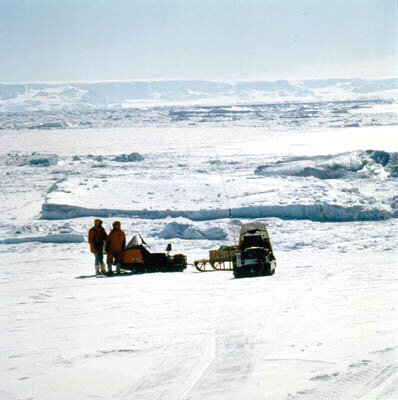
| | | |  | Thousands of years of accumulated and compacted snow on the Antarctic central plateau have formed a mighty ice sheet which flows under gravity towards the coastal plane. Along the coast the ice gradually floats on the sea – to form massive ledges known as ice shelves. But as the temperature has increased, several ice shelves have broken up and disintegrated.
Credits: H.Rott |  |  |  |  |
| | | |  | In 1995 the northern part of the Larsen ice shelf (known as Larsen A) collapsed – a process observed by Envisat’s predecessor spacecraft ERS. On 18 March 2002 another part known as Larsen B followed it, as captured by ASAR. During this most recent collapse a 200-metre-thick shelf with an area of 3,300 km2, equivalent in size to more than a third of the island of Corsica or the whole of Luxembourg, was lost.
Credits: H. Rott |  |  |  |  |
| | | |  | The total ice lost in this event has been estimated at 720 billion tonnes. The collapse happened in a different way to the periodic process of iceberg ‘calving’. Instead, over the last two decades, there has been an increase in surface melting, causing the formation of melt ponds and channels, which weaken the structure and interior strength of the ice shelf with cracks and rifts.
Credits: H.Rott |  |  |  |  |
| | | | | | | | | |
|  |
|