ESA to consult the science community on Earth Explorer selection
As part of the Agency's user-driven approach to preparing new Earth Explorer missions to advance our understanding of the Earth system, six candidate missions will be presented to the science community at a User Consultation Meeting in January 2009.
The meeting follows the Call for Core Earth Explorer Ideas released in 2005, and the subsequent selection of six missions to undergo assessment studies out of 24 original proposals. As the assessment period draws to a close, the goal is to select up to three of the missions for the next stage – feasibility study. In accordance with the peer-review selection process the user community is invited to express their views at the Earth Explorer User Consultation Meeting as an important input to the decision making process on which missions will go forward.
The meeting will be held at the Congress Centre of the Belém Cultural Centre in Lisbon, Portugal, on 20-21 January 2009. At the meeting the Agency and representatives from the scientific community will present the status of all the six candidate missions. Meeting registration details and the agenda can be found at: http://www.congrex.nl/09C01/
After completion of the feasibility studies the user community will again be consulted before selecting one of the candidate missions for full implementation. This will become the seventh Earth Explorer mission, after GOCE, CryoSat, SMOS, ADM-Aeolus, Swarm and EarthCARE.
The six candidate missions that will be presented at the meeting are:
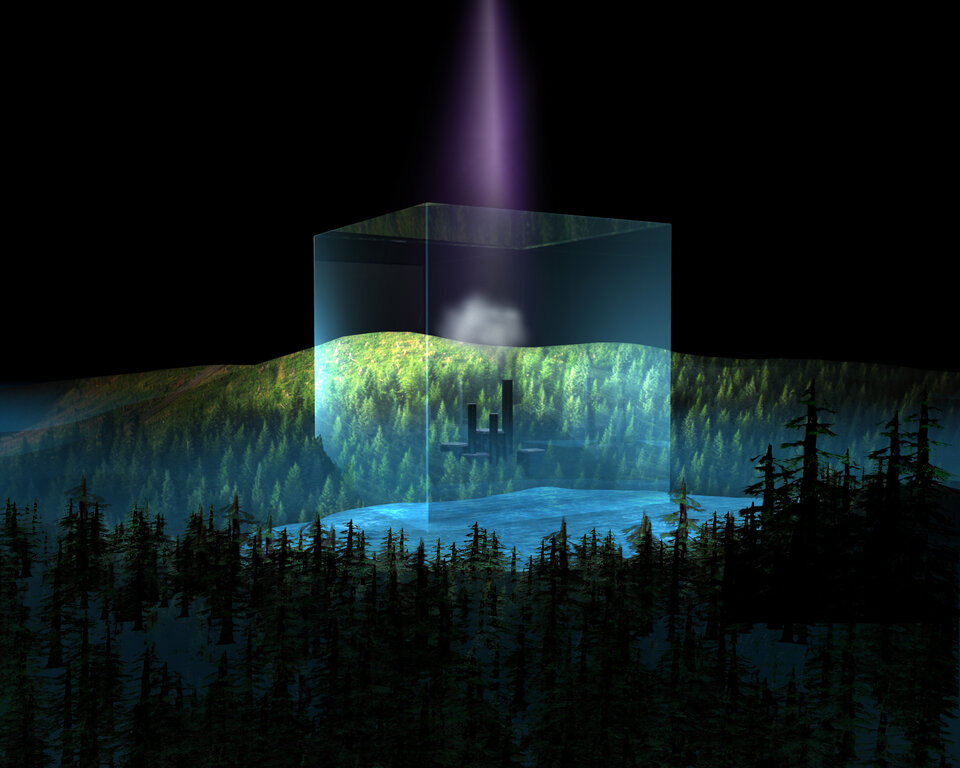
A-SCOPE - The A-SCOPE mission concept aims to observe total column carbon dioxide with a nadir-looking pulsed Differential Absorption Lidar (DIAL). The lidar would have high-resolution ranging capability to provide additional information on tree canopy height. In addition, aerosol and cloud layer information could be gained as a spin-off. The mission would realise a spatially-resolved global carbon budget combined with diagnostic model analysis through global and frequent observation of carbon dioxide.
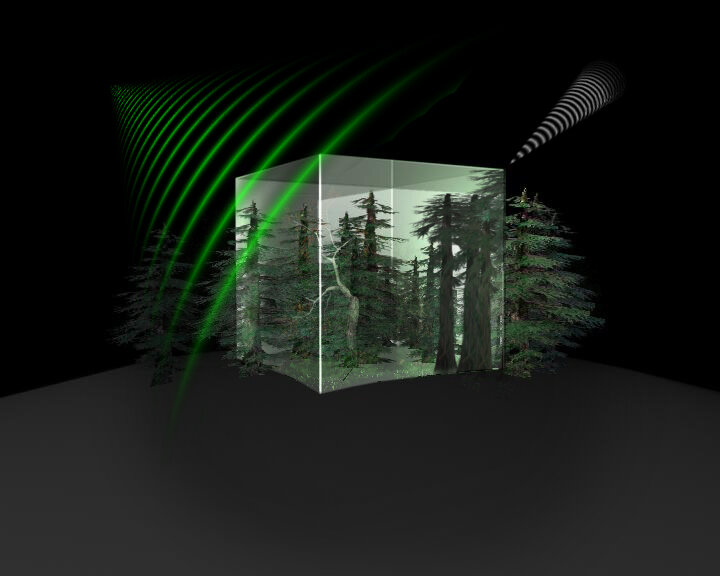
BIOMASS - The aim of the BIOMASS mission concept is to significantly improve estimates carbon stocks and fluxes over land through global measurements of forest biomass and its change with time. These data will contribute to reduce the uncertainty in the worldwide spatial distribution and dynamics of forests, thereby helping improve present assessments and future projections of the carbon cycle. The mission concept is based on a novel spaceborne P-band synthetic aperture polarimetric radar operating at 435 MHz. The mission would provide the first opportunity to study the Earth's surface at P-Band with new information expected for polar ice sheets, subsurface geology and forest flooding.

CoreH2O - The CoreH2O mission concept aims to fill the gaps in current information on snow, glaciers and surface water. The objective is to improve the modelling and prediction of water balance and streamflow for snow covered and glacierised basins, the modelling of water and energy cycles at high latitudes, and the forecasting of water supply from snow cover and glaciers, including the relation to climate change and variability. The mission concept employs twin frequency synthetic aperture radars (9.6 and 17.2 GHz) in two consecutive mission phases to deliver all-weather, yearround information on regional and continental-scale snowwater equivalent.
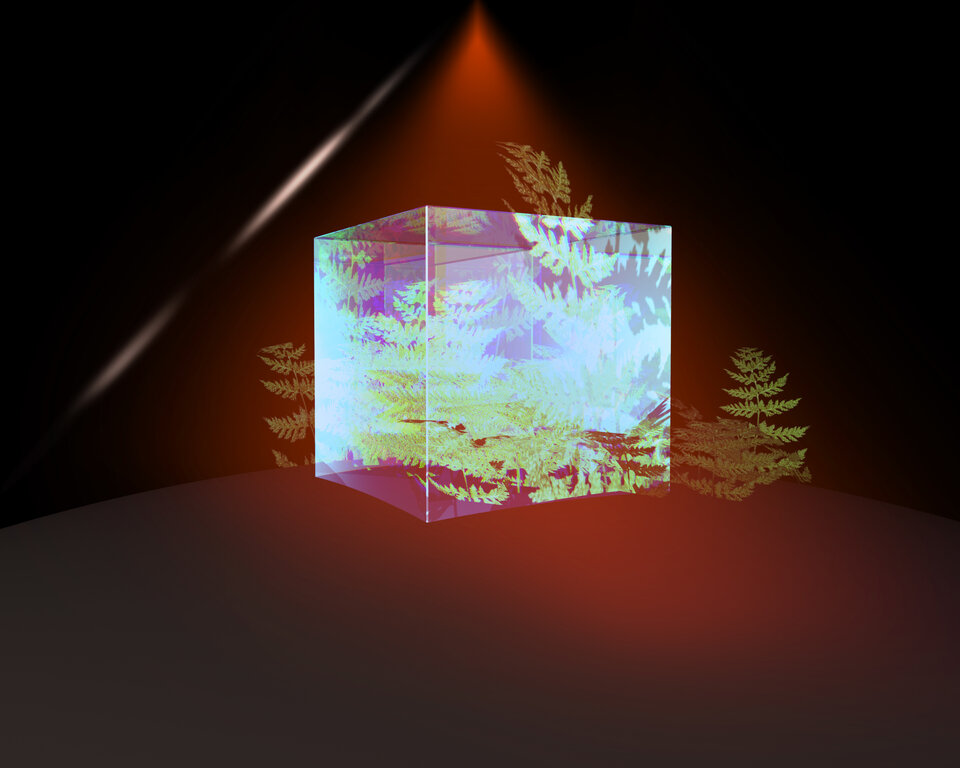
FLEX - The main aim of the FLEX concept is to make global observations of photosynthesis through the measurement of chlorophyll-fluorescence. Chlorophyll-fluorescence radiation is emitted from vegetation in the visible and infrared region of the electromagnetic spectrum and provides unique information about the photosynthetic activity of plants. FLEX will carry a very high-spectral resolution imaging spectrometer that allows the weak fluorescence signal to be decoupled from the reflected sunlight background. Fluorescence observations together with the information retrieved from the mission’s secondary instruments will allow to quantitatively monitor photosynthetic efficiency of terrestrial ecosystems at global scale supporting the improvement of the understanding of the carbon cycle as well as the role of vegetation in the water cycle.
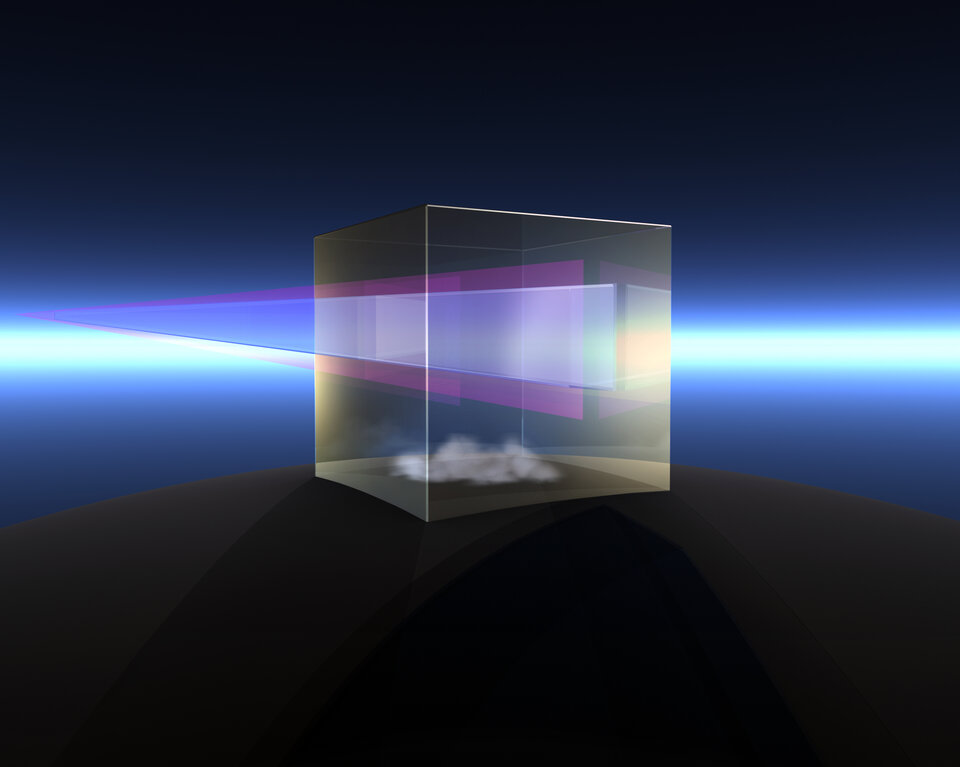
PREMIER - The PREMIER concept aims to advance our understanding of the processes that link trace gases, radiation and chemistry in the upper troposphere and lower stratosphere. The radiative effects of water and clouds are at a maximum in this region. It is also a region characterised by small-scale processes that have not been studied by previous missions. The instrumentation will consist of an infrared limb-imaging spectrometer and a millimetre-wave limbsounder. By linking with MetOp and the National Polar-orbiting Operational Environmental Satellite System (NPOESS) data, PREMIER also aims to provide insights into processes occurring in the lower troposphere.
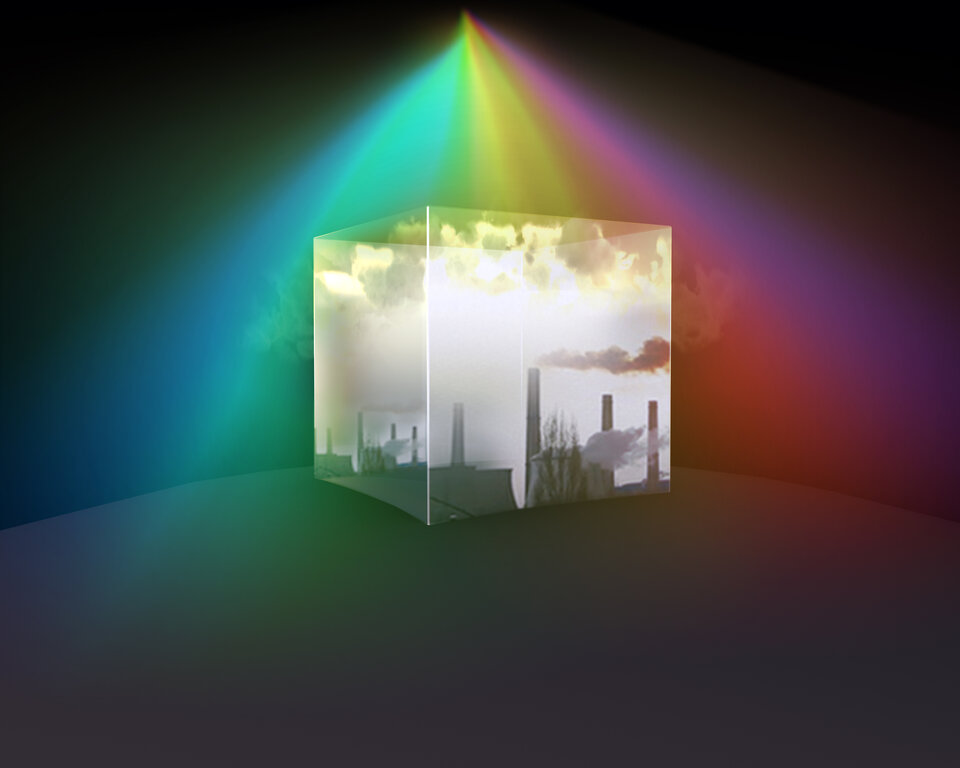
TRAQ - The TRAQ mission concept focuses on air quality and the long-range transport of air pollutants. The objective is to understand more about the rate of air-quality change at regional and global scales, the strength and distribution of sources and sinks of tropospheric trace gases and aerosols influencing air quality, and the role of tropospheric composition in global change. A new synergistic sensor concept would allow for process studies, particularly with respect to aerosol-cloud interactions. The instrumentation concept consists of imaging spectrometers operating in ranges between ultraviolet and short-wave infrared, spectrometers in the thermal infrared, a multi-directional polarisation imager and a cloud imager.