Value of Sentinels to science highlighted
The Sentinel satellites that are being developed to yield data for information services through Europe's GMES programme also have great potential to advance our understanding of Earth. Scientists gathered recently to discuss how to get the most out of these missions.
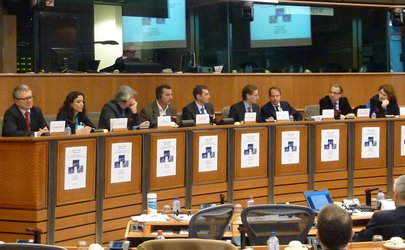
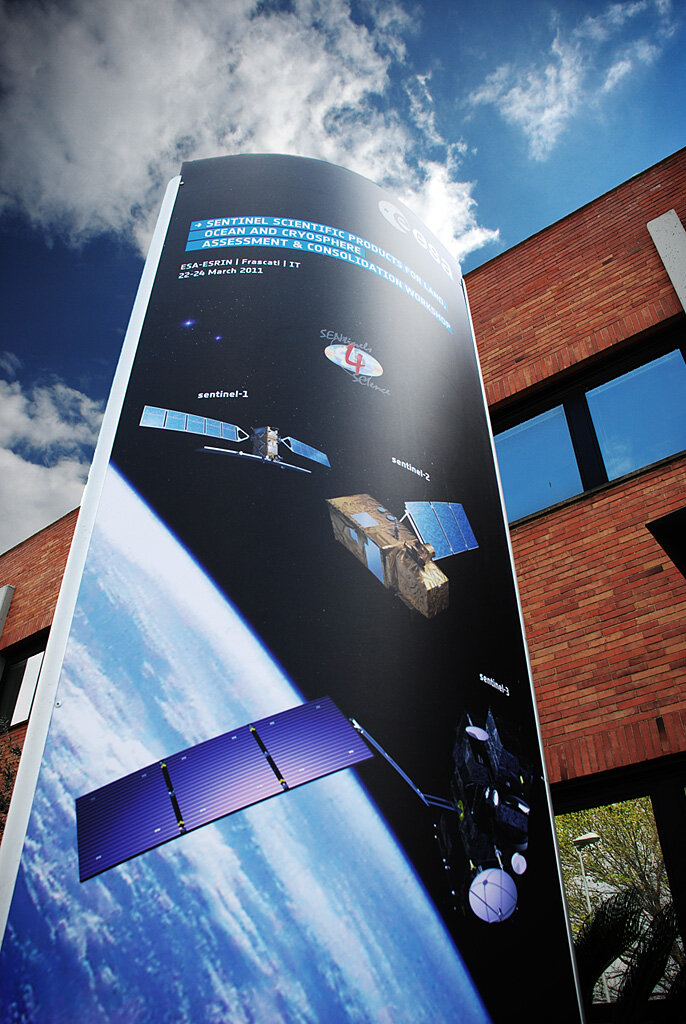
The Sentinels for Science workshop, held at ESA's Centre for Earth Observation in Italy, set the stage for more than 200 scientists to analyse and prioritise how the various data products from Sentinel-1, Sentinel-2 and Sentinel-3 could be put to scientific use.
Headed by the European Commission, the Global Monitoring for Environment and Security (GMES) programme will provide accurate, timely and easily accessible information to improve the management of the environment, understand and mitigate the effects of climate change and help ensure civil security.
Within the framework of this ambitious Earth observation initiative, ESA has been tasked with developing the five new Sentinel missions specifically for the operational needs of the programme.
While the aim is to deliver data to feed into GMES information services, the Sentinels could also be of great benefit to science.
Volker Liebig, Director of ESA's Earth Observation Programmes said, "The range of sensors carried on the different Sentinels, their ability to provide global coverage and rapid revist times coupled with our commitment to providing long-term data, make these missions highly relevant to gaining a deeper insight into the processes and interactions that make up the Earth system and its changes.
"In order to exploit GMES fully, we need constant feedback of science. This will lead to many new applications, as we have seen with Envisat and other satellites."
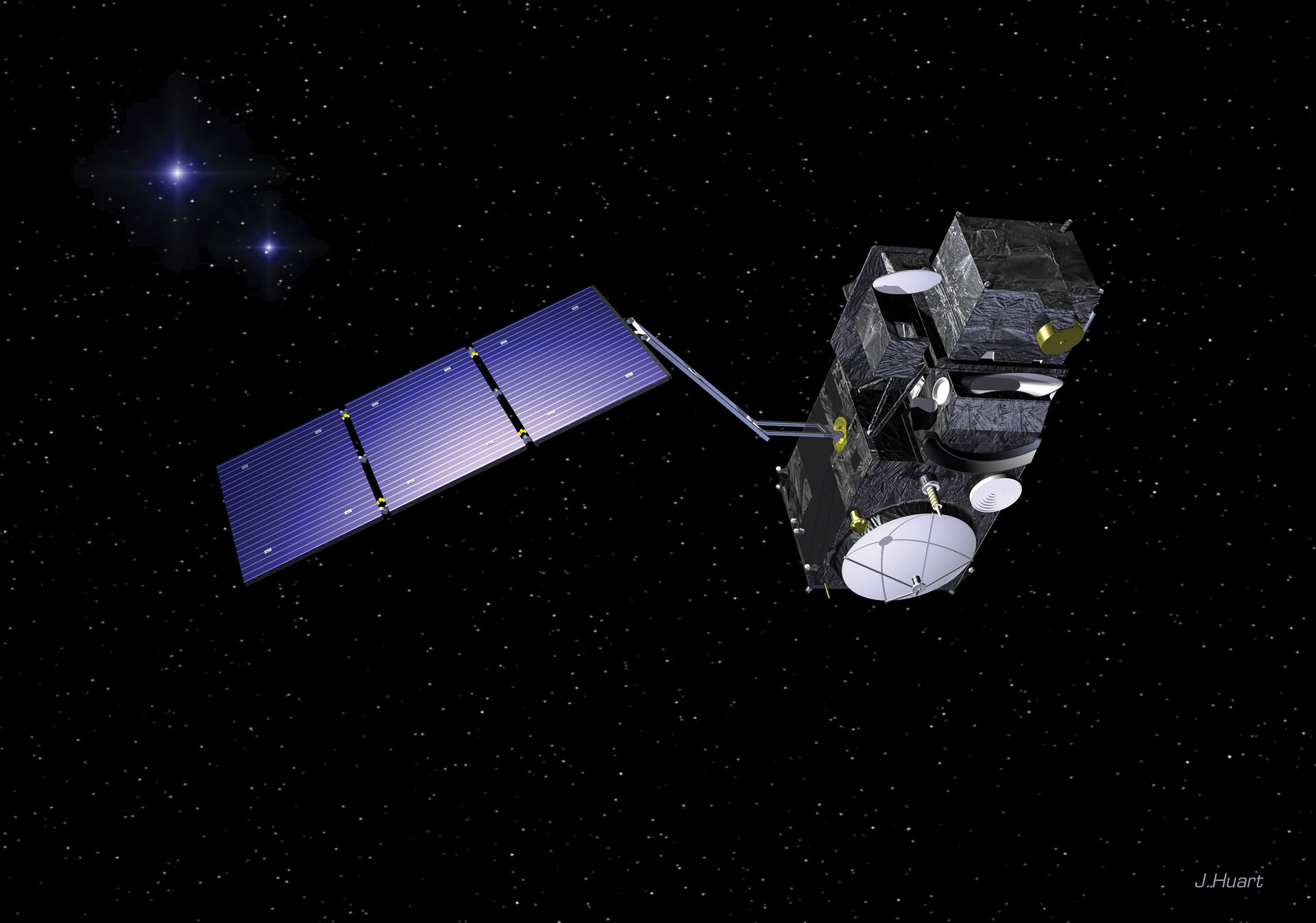
The first Sentinel is planned to launch in 2013. It is a C-band imaging radar mission to provide an all-weather day-and-night supply of imagery of land and ocean surfaces. Sentinel-1 will be followed by Sentinel-2, which carries a multispectral high-resolution optical instrument to monitor vegetation changes. Sentinel-3 carries a multiple instrument package to measure different ocean variables and monitor land.
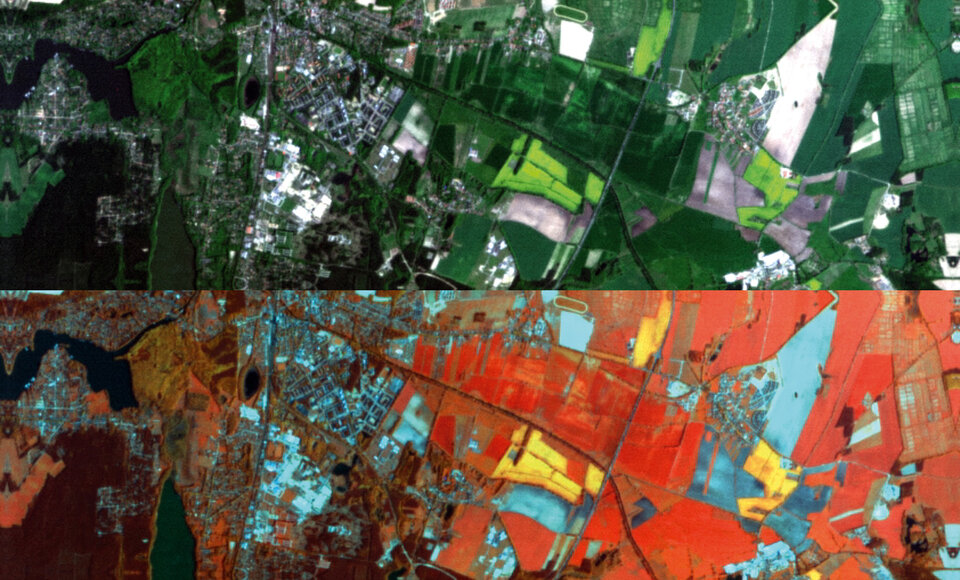
All three missions will be made up of two identical satellites orbiting as pairs.
Josef Aschbacher, Head ESA's GMES Space Office noted, "The sentinel data contain crucial information for all Earth sciences, especially climate-change related questions that need long time series."
Workshop participants also talked about the complementary and synergistic retrieval of data from the Sentinels with that acquired by other Earth observation missions.
The success of the workshop has clearly paved the way for further investigation into how the Sentinels can be of maximum benefit to all users.
The workshop forms part of ESA's study on Sentinels for Science, or 'SEN4SCI', managed by the Remote Sensing Laboratories at the University of Zurich, Switzerland.