17 August
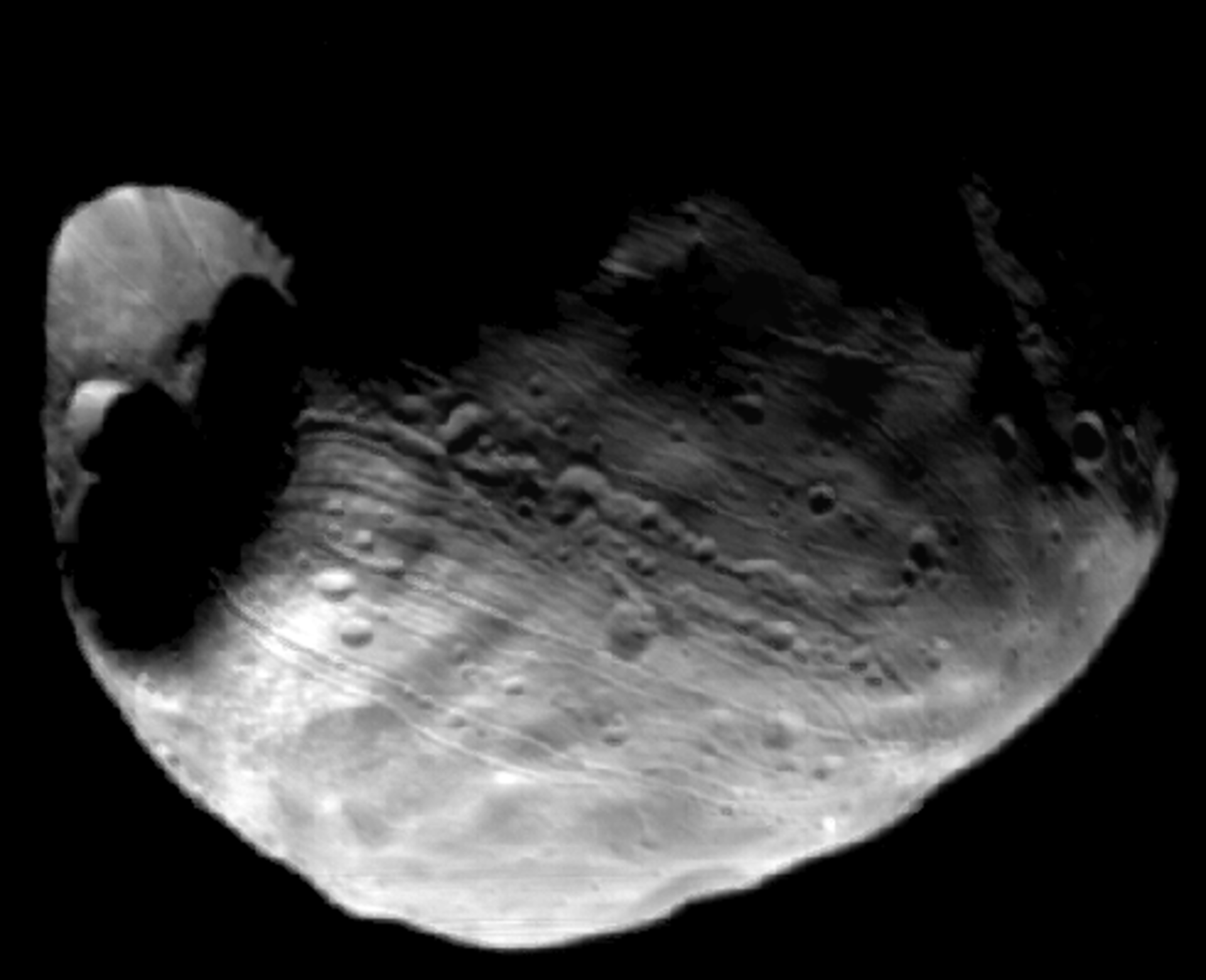
1877: On 17 August 1877, the American astronomer Asaph Hall discovered Phobos, a moon of Mars. He also discovered the second moon of Mars, Deimos, in the same year.
He named the moons Phobos and Deimos after the sons of Ares, the god of war in Greek mythology (in Roman mythology his name is Mars). Phobos and Deimos were Ares's sons by the goddess Aphrodite and served as his chariot attendants. 'Phobos' is Greek for fear and Deimos means 'panic'.
One theory on the moons' origin is that they are probably captured asteroids. An asteroid belt lies between the orbits of Mars and Jupiter and is composed of small planetary objects that may have failed to merge together into a larger planet.