8 April
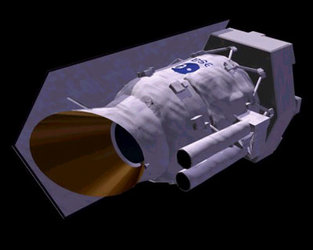
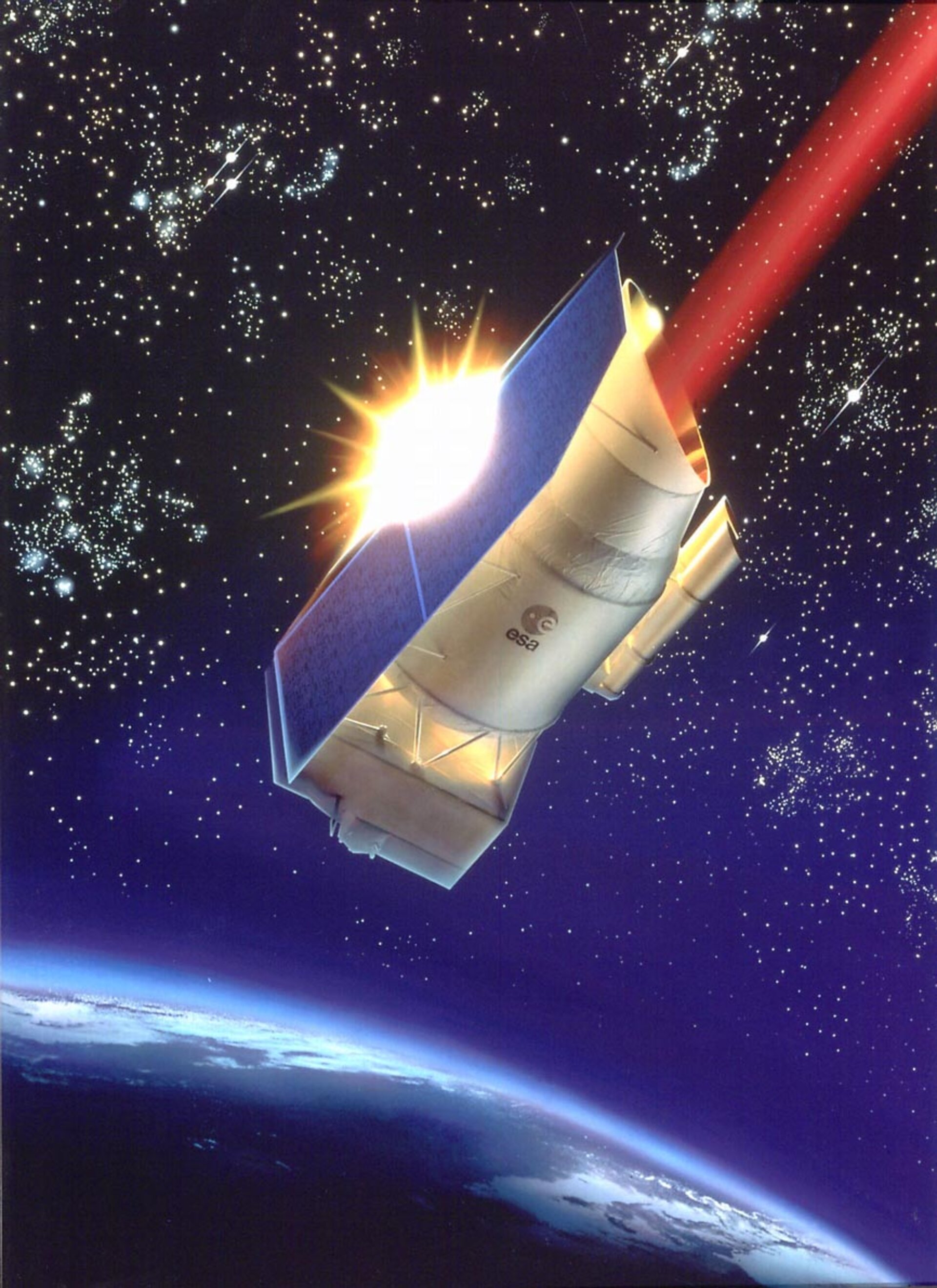
1998: On 8 April 1998, ESA's Infrared Space Observatory (ISO) ended its observational phase.
Astronomers had been able to use ISO for more than 28 months (instead of the planned 18 months) and, as a result, gathered a wealth of additional information about the Universe. Altogether ISO made over 26 000 observations of cosmic objects.
At 07:00 CET on 8 April 1998, engineers at ESA's ground station at Villafranca near Madrid reported that ISO's telescope was beginning to warm up, above its nominal operating temperature close to absolute zero. This was the sign that ISO had exhausted the superfluid helium used to achieve the very low temperatures necessary for infrared astronomy. Observations ceased at 23:07 when the temperature of the instruments had risen above -269°C. At that time, ISO was observing the galaxy NGC 1808 with the camera (ISOCAM) for Prof. J. Hough (UK). The astronomers then handed ISO over to the engineering team for check-outs and decommissioning.
Infrared rays come from cool places in the sky, and ISO would have been dazzled by its own heat unless its optical system were extremely cold. At its launch in November 1995, ISO carried a supply of 2000 litres of superfluid helium, which boils at -271°C. Slow venting of the helium into space maintained the low temperature of the optical system.
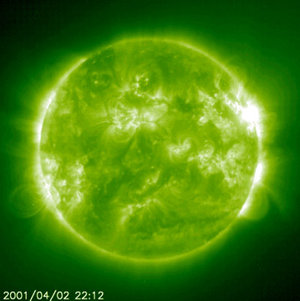
1947: On 8 April 1947, the largest sunspot ever observed was seen. It covered 6% of the Sun's visible disk.
648 B.C.: On 6 April 648 B.C., the earliest total solar eclipse chronicled by Greeks was observed.