2 January
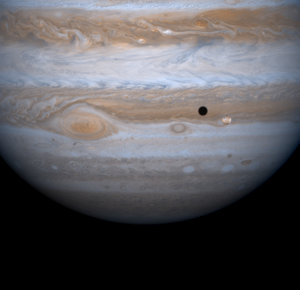
1905: On 2 January 1905, Argentinian astronomer Charles Perrine discovered Elara, then the twelfth of Jupiter's known satellites.
It orbits 11 737 000 kilometres from Jupiter and has a diameter of 76 kilometres.
Leda, Himalia, Lysithea and Elara may be the remnants of a single asteroid that was captured by Jupiter and broken up. In mythology, Elara was the mother by Zeus of the giant Tityus.
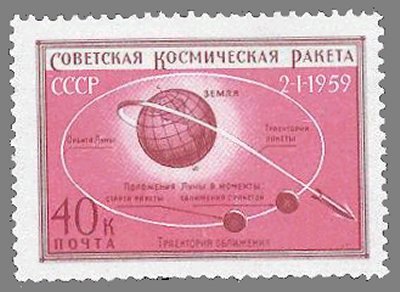
1959: On 2 January 1959, the USSR launched Lunik I in an attempt to hit the Moon. The spacecraft missed the Moon and was flung out into space by the Moon's gravity. It became the first man-made object to achieve an orbit around the Sun.