EXPLORING OTHER PLANETS
Scientists believe that our Solar System formed about 4,600 million years ago. Since then, its planets and moons have all evolved in very different ways. To understand how the Solar System works and why Earth is unique, ESA has prepared a series of highly ambitious science missions.
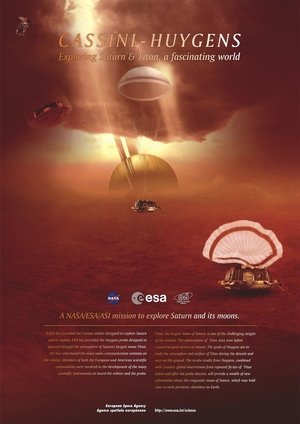
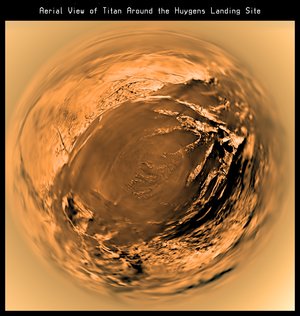
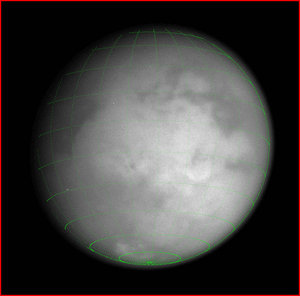
Mars Express has found water on Mars and is mapping its surface. Venus Express is peering into the dense Venusian atmosphere to study the dramatic greenhouse effect. ESA’s Huygens landed on Titan, a moon of Saturn, to study its chemistry and surface geology, revealing an extraordinary icy world with landscapes similar to those on Earth.
Smart-1 has observed the lunar surface and provided us with information on how the moon was formed and what it is made of, at the same time testing new navigation and propulsion techniques for future missions.
Rosetta is on its way to rendezvous with Comet 67P/Churyumov-Gerasimenko in 2014 to help scientists understand if comets brought water and life to Earth. The BepiColombo mission will explore Mercury, the closest planet to the Sun, to learn how planets near stars form and evolve.
ExoMars will be ESA’s first rover mission to explore the surface of another planet. It will try to establish whether life ever existed, or is still active on Mars today