LAUNCHERS IN EUROPE
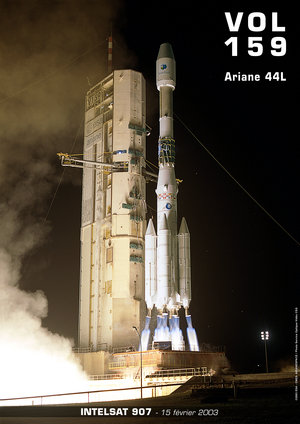
Self-sufficiency in sending satellites into orbit is vital for Europe’s independence in space. Since the beginning of the Ariane programme in 1973, a highly successful series of launchers has been developed, from Ariane 1 through to Ariane 5.
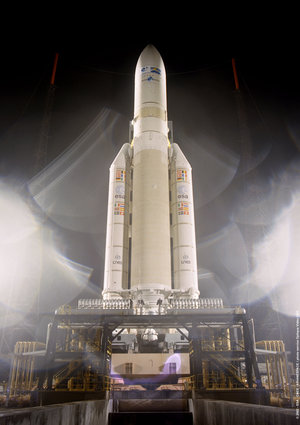
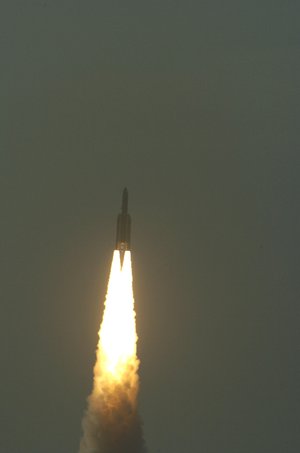
The Ariane 5 heavy-lift launcher was conceived to ensure that Europe maintains its competitive edge in the global market. The current Ariane 5 ECA can deliver almost 10 tonnes into the geostationary orbits used for telecommunications and Earth observation satellites. A special version was also developed to launch ESA’s Automated Transfer Vehicle to the International Space Station.
Smaller launchers are still needed to meet the market for small satellites, adding greater flexibility to the range of European launch capabilities. ESA is developing Vega – capable of lifting up to 1.5 tonnes into low Earth orbit. Russia’s medium-lift Soyuz vehicle is also being adapted for launch from Europe’s Spaceport at Kourou, French Guiana.
For the future, ESA is reviewing new technologies and propulsion systems with experts from Europe’s aerospace industry, to make access to space simpler and cheaper.