Applications
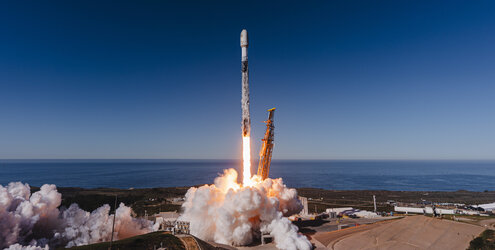
HydroGNSS deploys solar panels

Orbiting Earth 180 degrees apart, the two HydroGNSS Scout satellites use a technique called Global Navigation Satellite System (GNSS) reflectometry to measure important climate variables such as soil moisture, freeze–thaw state over permafrost, inundation and biomass – all of which are linked to Earth’s water cycle.
The animation shows how its solar panels deploy once it is in orbit.Embracing the New Space concept, HydroGNSS is one of ESA’s new Scout missions being developed within the Earth Observation FutureEO programme.