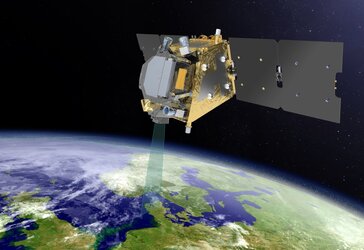
How FLEX measures Earth’s secret glow from space

Nature is full of incredible light shows, like sea sparkles and fireflies, many of which we can see with the naked eye. In sunlight, however, there is a faint glow we do not see.
It is emitted by plants.
When plants absorb sunlight to photosynthesise, they also emit a very faint fluorescence signal. Invisible to the naked eye, this fluorescence varies with environmental conditions and the physiological state of the vegetation
Remarkably, this can be observed from space.
The European Space Agency’s FLEX mission measures this unique signal to provide an unprecedented window into plant health, productivity and stress across the globe, enabling scientists to better understand how plants respond to environmental pressures such as drought, heat and climate change.
FLEX also delivers critical insights into the role of photosynthesis in the global carbon and water cycles, improving our understanding of Earth’s changing environment.