• → European Space Agency

      • Space for Europe
      • Space News
      • Space in Images
      • Space in Videos
    • About Us

      • Welcome to ESA
      • DG's News and Views
      • For Member State Delegations
      • Business with ESA
      • ESA Exhibitions
      • ESA Publications
      • Careers at ESA
    • Our Activities

      • Space News
      • Observing the Earth
      • Human Spaceflight
      • Launchers
      • Navigation
      • Space Science
      • Space Engineering
      • Operations
      • Technology
      • Telecommunications & Integrated Applications
    • For Public

    • For Media

      • Media
      • ESA TV
      • Videos for professionals
      • Photos
    • For Educators

    • For Kids

    • ESA

    • [1/7] Space weather aurora
    • [2/7] Galactic glow worm
    • [3/7] Playing AstroDrone
    • [4/7] Joining ATV-4
    • [5/7] Troubleshooters
    • [6/7] The Nhamundá River, Brazil
    • [7/7] Planck CMB

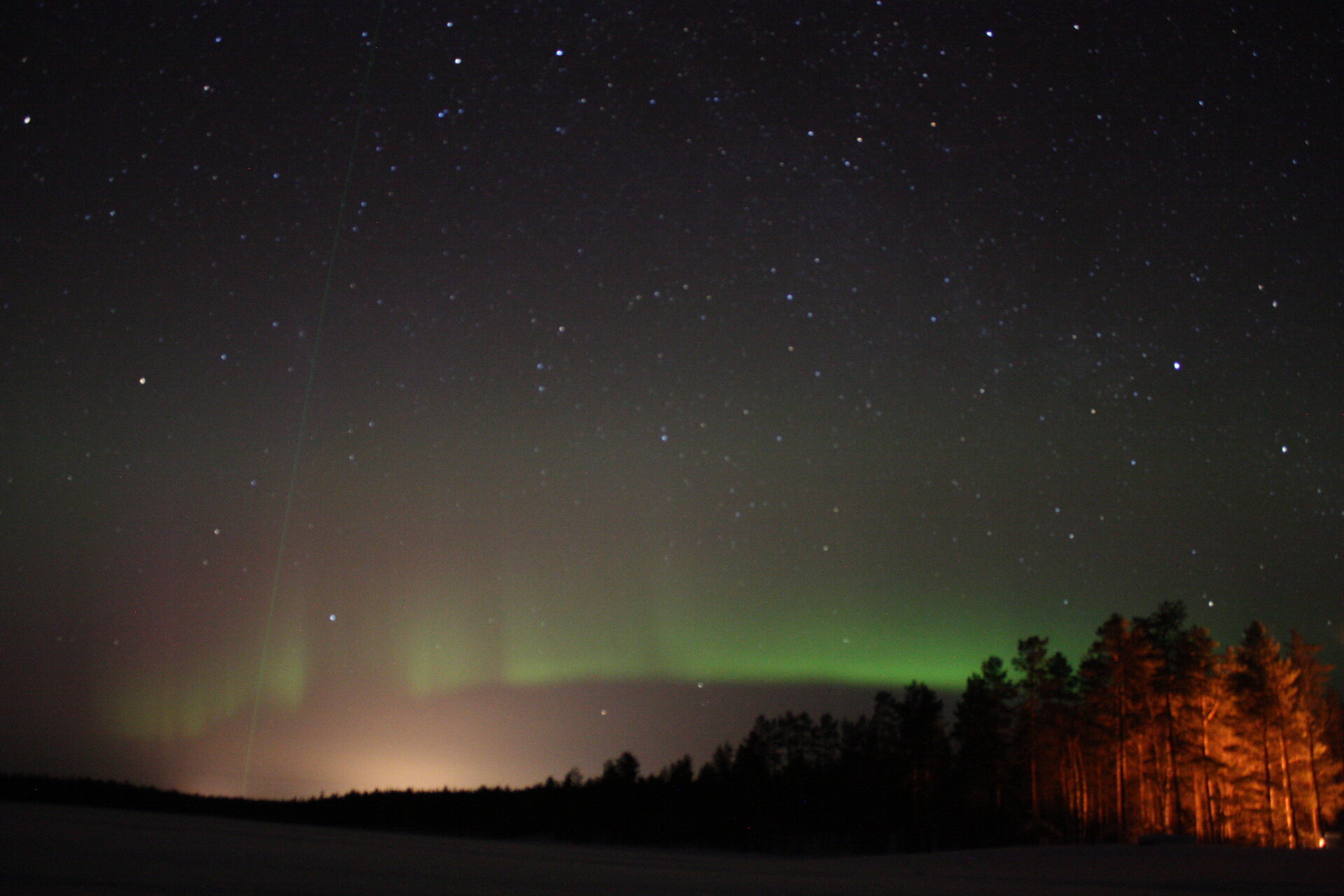
    Space weather aurora
    Space weather aurora

    The Northern Lights – Aurora Borealis – above Finnish Lapland near Sodankylä during ESA’s space weather conference. Northern Lights occur when charged particles from the Sun hit Earth’s atmosphere.

    The green vertical stripe in the picture is a laser beam from the Finnish Meteorological Institute’s Arctic Research Centre to measure cloud particles and aerosols in the upper atmosphere.

    Credits: Kate Arkless Gray (@SpaceKate)
    Galactic glow worm
    Galactic glow worm

    This charming and bright galaxy, known as IRAS 23436+5257, was captured by the the NASA/ESA Hubble Space Telescope. It is located in the northern constellation of Cassiopeia, which is named after an arrogant, vain, and yet beautiful mythical queen.

    The twisted, worm-like structure of this galaxy is most likely the result of a collision and subsequent merger of two galaxies. Such interactions are quite common in the Universe, and they can range from minor interactions involving a satellite galaxy being caught by a spiral arm, to major galactic crashes. Friction between the gas and dust during a collision can have a major effect on the galaxies involved, morphing the shape of the original galaxies and creating interesting new structures.

    When you look up at the calm and quiet night sky it is not always easy to picture it as a dynamic and vibrant environment with entire galaxies in motion, spinning like children’s toys and crashing into whatever crosses their path. The motions are, of course, extremely slow, and occur over millions or even billions of years.

    The aftermath of these galactic collisions helps scientists to understand how these movements occur and what may be in store for our own Milky Way, which is on a collision course with a neighbouring galaxy, Messier 31.

    A version of this image was entered into the Hubble’s Hidden Treasures image processing competition by contestant Judy Schmidt.

    Credits: ESA/Hubble & NASA Acknowledgement: Judy Schmidt
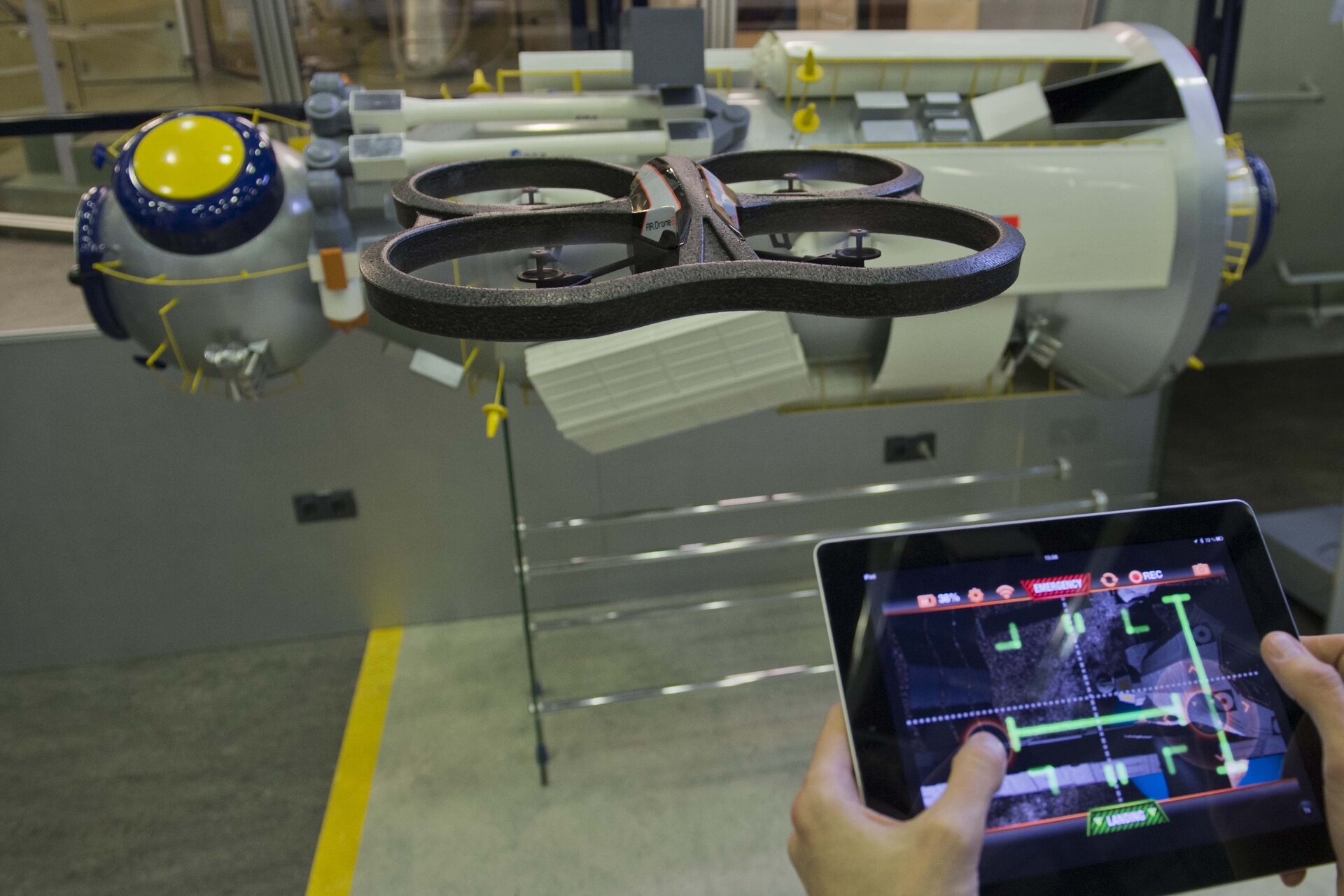
    Playing AstroDrone
    Playing AstroDrone

    A free ESA app turns a popular iPhone-controlled ‘home drone’ into a spacecraft. The augmented reality game lets owners of Parrot AR.Drone quadcopters attempt dockings with a simulated International Space Station while flying their drones for real – in the process helping to improve robotic rendezvous methods. This new AstroDrone app is part of a scientific crowdsourcing project by ESA’s Advanced Concepts Team, gathering data to teach robots to navigate their environments.

    Credits: ESA-Anneke Le Floc'h
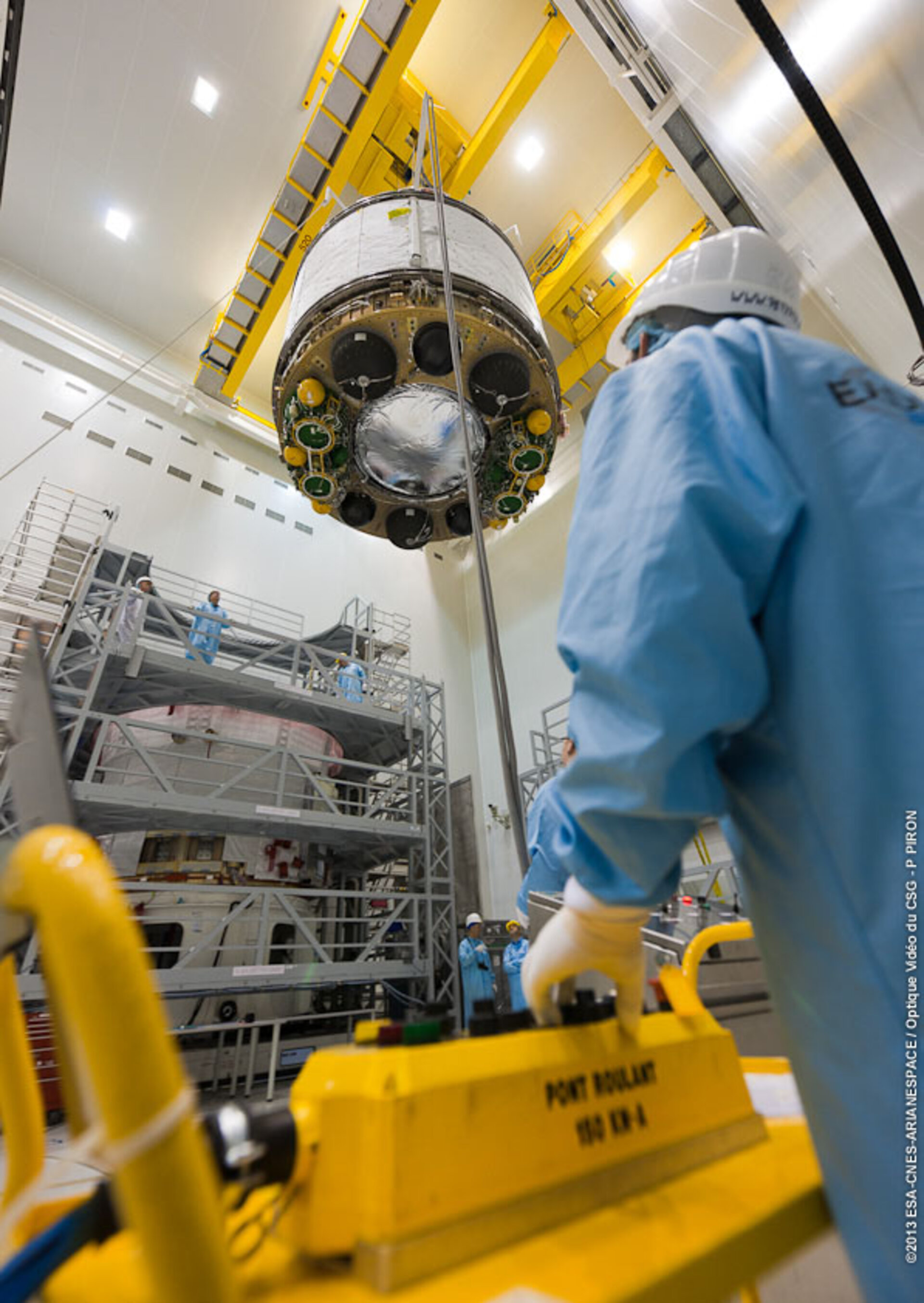
    Joining ATV-4
    Joining ATV-4

    Hoisting ATV Albert Einstein’s pressurised module at Europe’s Spaceport in Kourou, French Guiana, ready to be lowered onto the service module that is surrounded by scaffolding. The pressurised module is used to store cargo and, once docked with the International Space Station, becomes a temporary habitable module.

    Automated Transfer Vehicles (ATV) are multi-purpose unmanned ferries delivered to orbit by Europe’s Ariane 5 launcher. Each spacecraft can deliver up to 7 tonnes of cargo to the International Space Station, including supplies and equipment, water, air, nitrogen, oxygen and fuel.

    Credits: ESA/CNES/Arianespace/Optique Video du CSG
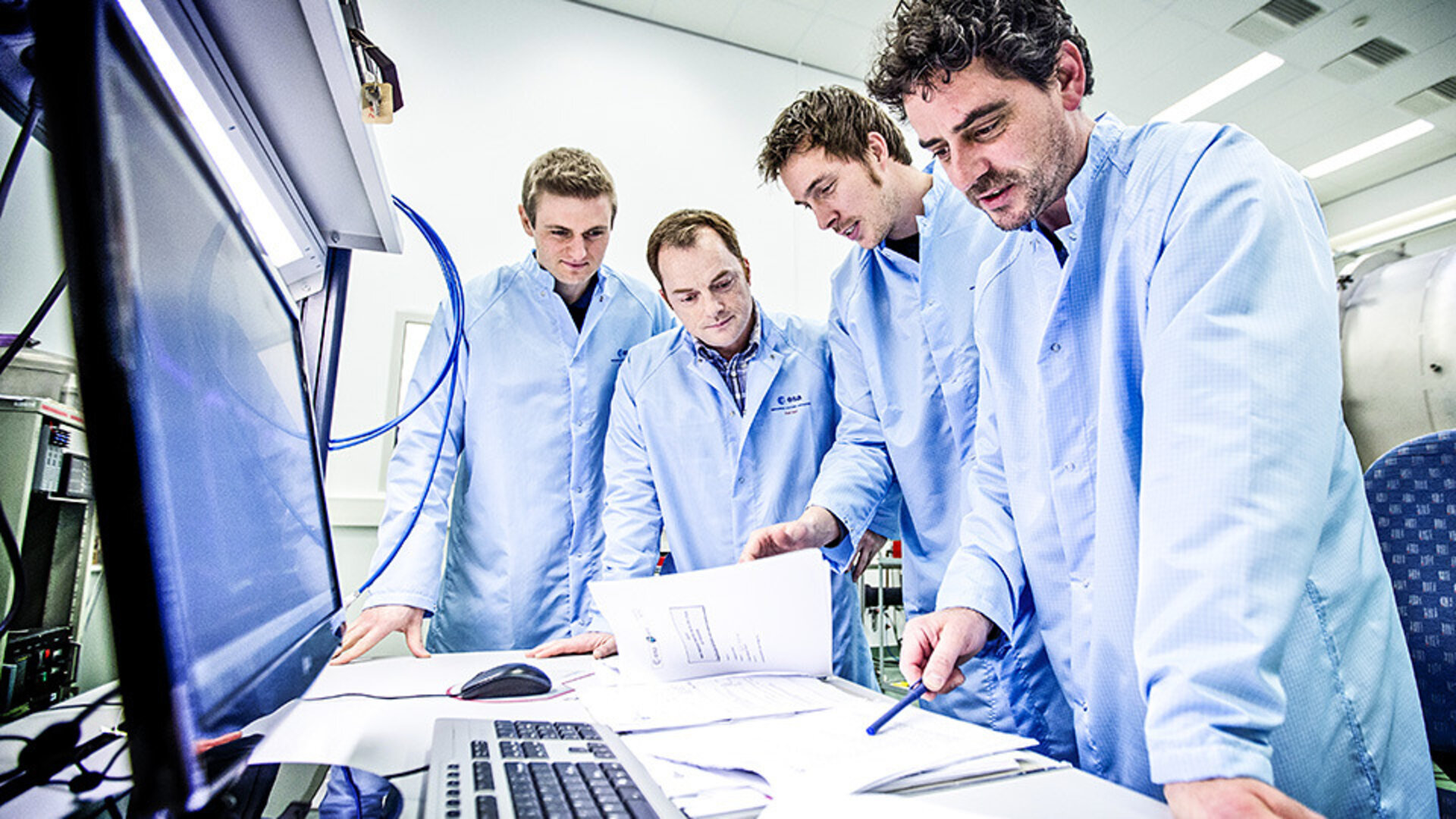
    Troubleshooters
    Troubleshooters

    Seen from left to right: engineers Jürgen Eisenbraun, Carl Hall, George Varewijck, Stéphane Roure at ESA's Mechanical Systems Laboratory. 
    Based at ESA’s technical heart ESTEC, beside the North Sea shore of Noordwijk, the Netherlands, the Mechanical Systems Lab simulates the harsh conditions of space in order to assess the mechanical and thermal performance of key spacecraft elements. 
    Performing around 70 tests per year, the Lab fills the gap between individual component and material testing and the full-scale spacecraft testing taking place next door at the ESTEC Test Centre

    Credits: ESA/Guus Schoonewille
    The Nhamundá River, Brazil
    The Nhamundá River, Brazil

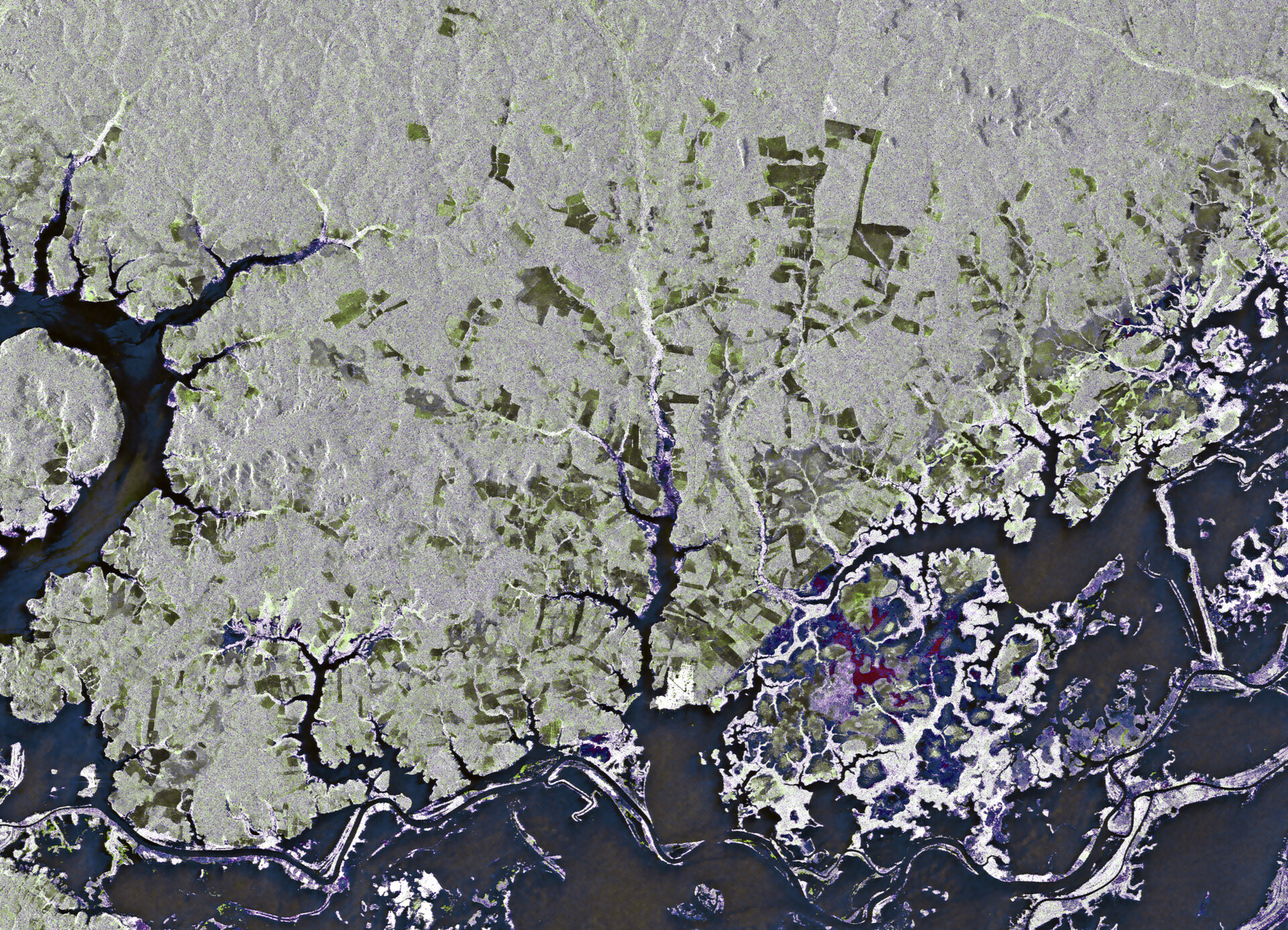
    Part of the Amazon Basin in northern Brazil is pictured in this image from the Japanese ALOS satellite. Along the left side of the image and running along the bottom, the Nhamundá River creates the border between the Brazilian states of Pará (north) and Amazonas (south). Small patches of land and vegetation outline the river’s main route, though the surrounding area is also covered by water. The somewhat geometric shapes that appear dark green and brown over the land are the result of forest clear cutting.

    This image was created by combining two acquisitions from ALOS’s radar on 20 June and 5 August 2008. ESA supports ALOS as a Third Party Mission, which means ESA utilises its multi-mission European ground infrastructure and expertise to acquire, process and distribute data from the satellite to its wide user community.

    This image is featured on the Earth from Space video programme.

    Credits: JAXA, ESA
    Planck CMB
    Planck CMB

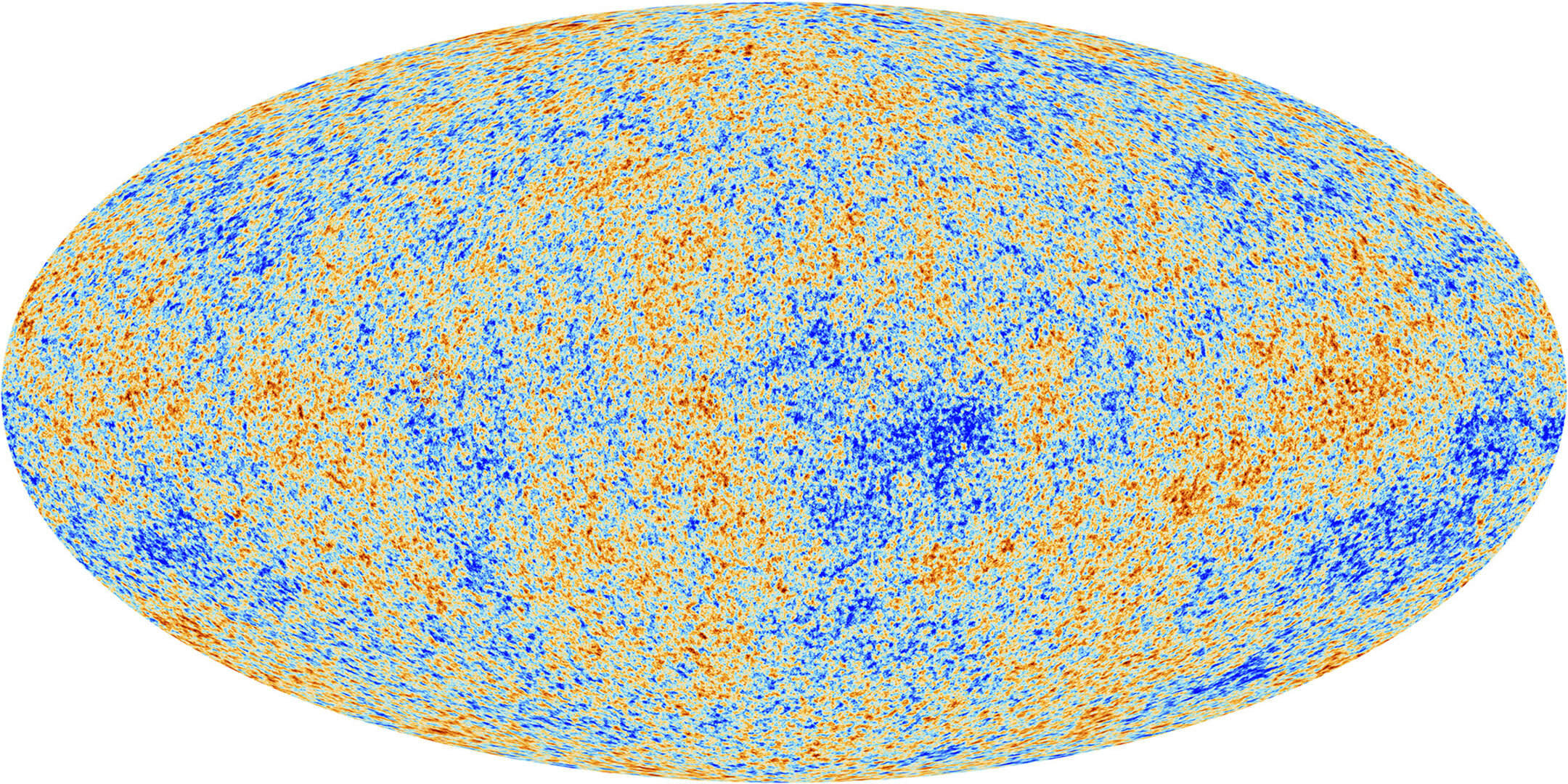
    The anisotropies of the Cosmic microwave background (CMB) as observed by Planck. The CMB is a snapshot of the oldest light in our Universe, imprinted on the sky when the Universe was just 380 000 years old. It shows tiny temperature fluctuations that correspond to regions of slightly different densities, representing the seeds of all future structure: the stars and galaxies of today.

    Credits: ESA and the Planck Collaboration

    Week In Images

    Our week through the lens:
    18-22 March 2013

    Access the image

    Access the image

    Access the image

    Access the image

    Access the image

    Access the image

    Access the image

    Rate this

    Views

    Share

    • Currently 5 out of 5 Stars.
    • 1
    • 2
    • 3
    • 4
    • 5
    Rating: 4.87/5 (41 votes cast)

    Thank you for rating!

    You have already rated this page, you can only rate it once!

    Your rating has been changed, thanks for rating!

    3217
    Tweet

    Connect with us

    • RSS
    • Youtube
    • Twitter
    • Flickr
    • G+
    • Facebook
    • Livestream
    • Subscribe
    • App Store
    • LATEST ARTICLES
    • · Earth Explorers take centre stage …
    • · The fast winds of Venus are gettin…
    • · ExoMars 2016 set to complete const…
    • · Herschel ends operations as orbiti…
    • · Europe’s largest spaceship reache…
    • FAQ

    • Jobs at ESA

    • Site Map

    • Contacts

    • Terms and conditions