• → European Space Agency

      • Space for Europe
      • Space News
      • Space in Images
      • Space in Videos
    • About Us

      • Welcome to ESA
      • DG's News and Views
      • For Member State Delegations
      • Business with ESA
      • ESA Exhibitions
      • ESA Publications
      • Careers at ESA
    • Our Activities

      • Space News
      • Observing the Earth
      • Human Spaceflight
      • Launchers
      • Navigation
      • Space Science
      • Space Engineering
      • Operations
      • Technology
      • Telecommunications & Integrated Applications
    • For Public

    • For Media

    • For Educators

    • For Kids

    • ESA

    • Human Spaceflight and Exploration

    • Bedrest studies

    • What are bedrest studies?
    • Why bedrest studies?
    • History
    • Who takes part?
    • What can you do in bed?
    • Standing on your own two feet

    ESA > Our Activities > Human Spaceflight > Bedrest studies

    Why bedrest studies?

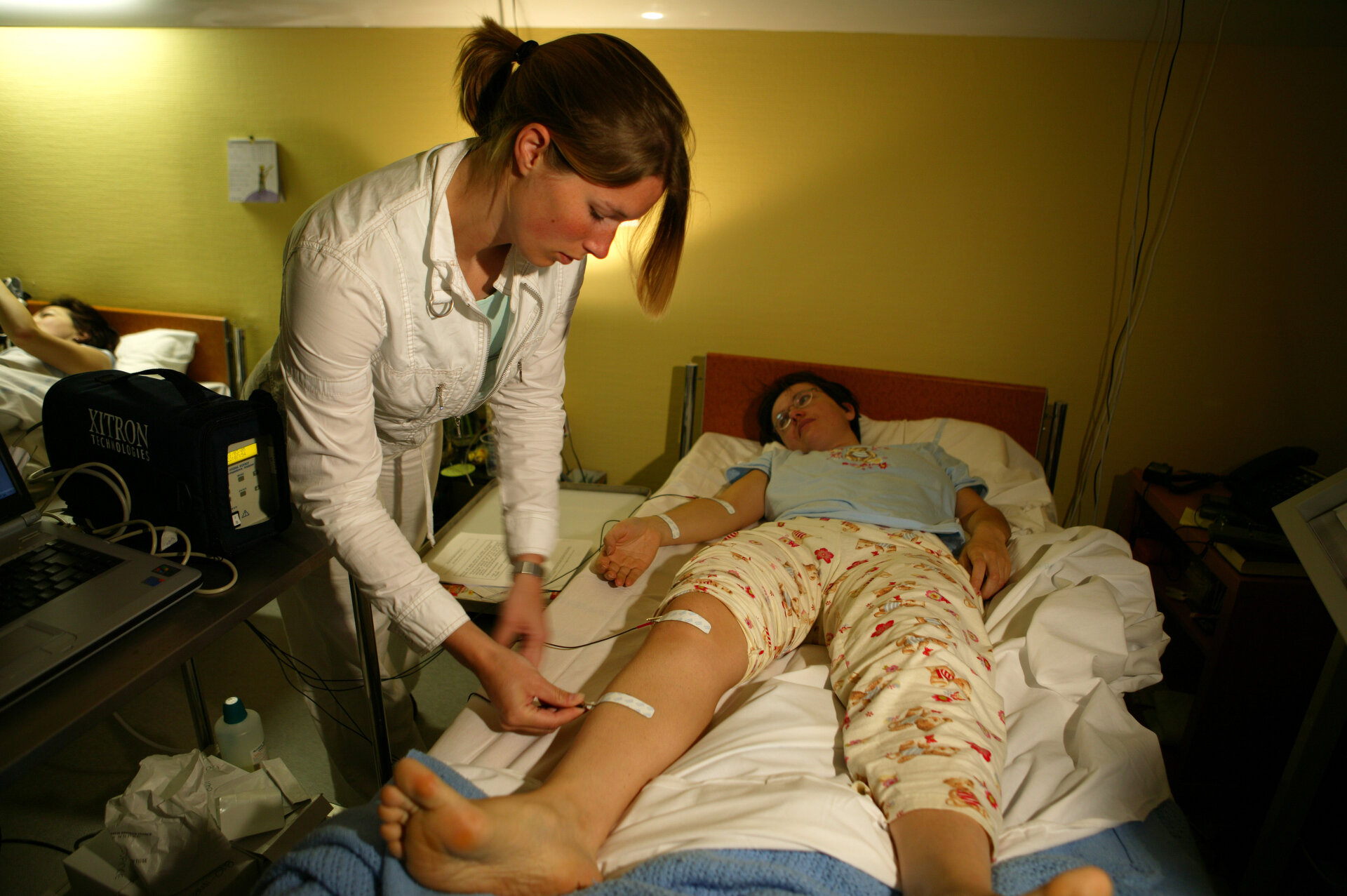
    CNES–S. Levin, 2005

    Preparing for spaceflight is no easy task. Sending people into space is expensive and dangerous while the effects of living beyond the pull of gravity are not fully understood. Space agencies need to research the effects of living in space on the human body without the risk and expense of the real thing.

    Bedrest studies can answer questions on how our bodies adapt to living in space and on how our bodies adapt to growing old. Many of the findings from bedrest studies apply directly to people on Earth.

    Astronauts in space undergo many physiological reactions when gravity no longer controls them. Look closely at pictures taken on the International Space Station and you will notice that astronauts have a larger, swollen, head than when they are on Earth, as if they were hanging upside-down.
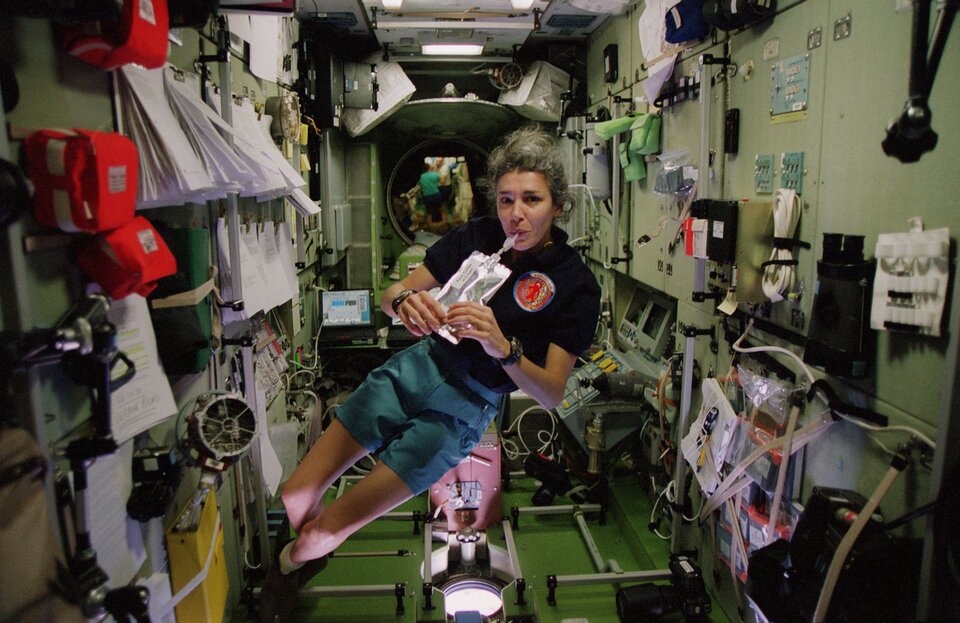
    Claudie Haigneré on ISS

    Without gravity pulling on blood that usually pumps in our legs, blood flows to astronaut’s heads resulting in what is sometimes called ‘puffy-head bird-legs’ syndrome.

    A logical way to recreate this effect of living without gravity is to hang people upside-down. Luckily for the volunteers in bedrest studies, scientists found that keeping a test subject’s head six degrees below horizontal works just as well.


    There is more to bedrest than just blood flow. Astronaut’s bones lose density by up to 2% a month during a stay in space. On Earth, similar bone loss is seen over a longer period of time, commonly known as osteoporosis.

    So far, scientists are unsure of why this happens and have no effective way of stopping the process completely. Exercise seems to help, which is why a healthy lifestyle is recommended and why astronauts train two hours a day on special fitness machines.

    Lying in bed with your head below the horizontal for weeks also results in bone loss. By studying bedrest volunteers, scientists can continuously examine changes in their bodies closely and easily.

    Other changes that occur both in astronauts and bedrest volunteers include loss of muscle, changes in blood pressure and differences in how food is digested.

    Monitoring changes is one thing but the goal is to find a way to overcome the negative effects of space travel. During bedrest studies, techniques to combat changes in our bodies are tested, from strict diets to specific exercise routines.

    Bedrest exercise
    Bedrest exercise

    Aside from monitoring bodies and trying techniques to overcome negative changes, bedrest offers a perfect opportunity to test new medical equipment such as heart monitors and thermometers that can later be used on patients in hospitals around the world.

    Results from these studies are helping people in similar situations. Rehabilitation after surgery or serious illness can mean weeks spent recuperating in bed. The research done on bedrest volunteers directly applies to these situations and is shared freely with scientists in all disciplines.
    Last update: 12 November 2012

    Rate this

    Views

    Share

    • Currently 0 out of 5 Stars.
    • 1
    • 2
    • 3
    • 4
    • 5
    Rating: 0/5 (0 votes cast)

    Thank you for rating!

    You have already rated this page, you can only rate it once!

    Your rating has been changed, thanks for rating!

    107
    facebook
    twitter
    reddit
    google plus
    digg
    tumbler
    digg
    blogger
    myspace
    • Previous bedrest studies
      • Women rising to the challenge of weightlessness
        • Paving the way for women to Mars: the last WISE volunteers back on their feet
          • WISE bed-rest study: second campaign under way
            • Female volunteers prepare for a second 'bedrest'
              • WISE study starts in Toulouse: 60 days of bed-rest for terrestrial female astronauts
                • ESA looking for more European women to volunteer for WISE bed-rest study in Toulouse next year
                  • ESA is looking for female volunteers for a bed-rest study in Toulouse next year
                    • End of the bedrest campaign
                      • Long-term bed rest study: second period 22 March - 27 July 2002
                      • Bedrest diaries
                        • Diaries bed rest study participants
                        • Bedrest studies

    Connect with us

    • RSS
    • Youtube
    • Twitter
    • Flickr
    • Google Buzz
    • Subscribe
    • App Store
    • LATEST ARTICLES
    • · CryoSat hits land
    • · Ariane 5 completes seven launches …
    • · Measuring skull pressure without t…
    • · Malargüe station inauguration
    • · The solar wind is swirly
    • FAQ

    • Jobs at ESA

    • Site Map

    • Contacts

    • Terms and conditions