• → European Space Agency

      • Space for Europe
      • Space News
      • Space in Images
      • Space in Videos
    • About Us

      • Welcome to ESA
      • DG's News and Views
      • For Member State Delegations
      • Business with ESA
      • ESA Exhibitions
      • ESA Publications
      • Careers at ESA
    • Our Activities

      • Space News
      • Observing the Earth
      • Human Spaceflight
      • Launchers
      • Navigation
      • Space Science
      • Space Engineering
      • Operations
      • Technology
      • Telecommunications & Integrated Applications
    • For Public

    • For Media

    • For Educators

    • For Kids

    • ESA

    • Columbus

    • Human Spaceflight and Exploration

    • Astronauts

    • International Space Station

    • About Columbus
    • Columbus laboratory
    • Columbus facts & figures
    • Columbus facilities
    • Biolab
    • European Drawer Rack (EDR)
    • European Physiology Modules (EPM)
    • European Transport Carrier (ETC)
    • Fluid Science Laboratory (FSL)
    • Microgravity Science Glovebox (MSG)
    • External payloads
    • EUTEF
    • SOLAR
    • Columbus operations
    • Columbus Control Centre
    • User Support and Operations Centres
    • Columbus Mission

      • About the mission
      • Mission objectives
      • Daily activities STS-122
      • Mission facts STS-122
      • Crew biographies
    • Downloads
    • Information Kit (pdfs)
    • Mission newspapers
    • Brochure (pdf)
    • Multimedia
    • Image gallery
    • Video gallery
    • Magic book
    • Exhibition material
    • Services

    ESA > Our Activities > Human Spaceflight > Columbus

    The Fluid Science Laboratory (FSL)

    Fluid Science Laboratory (FSL)

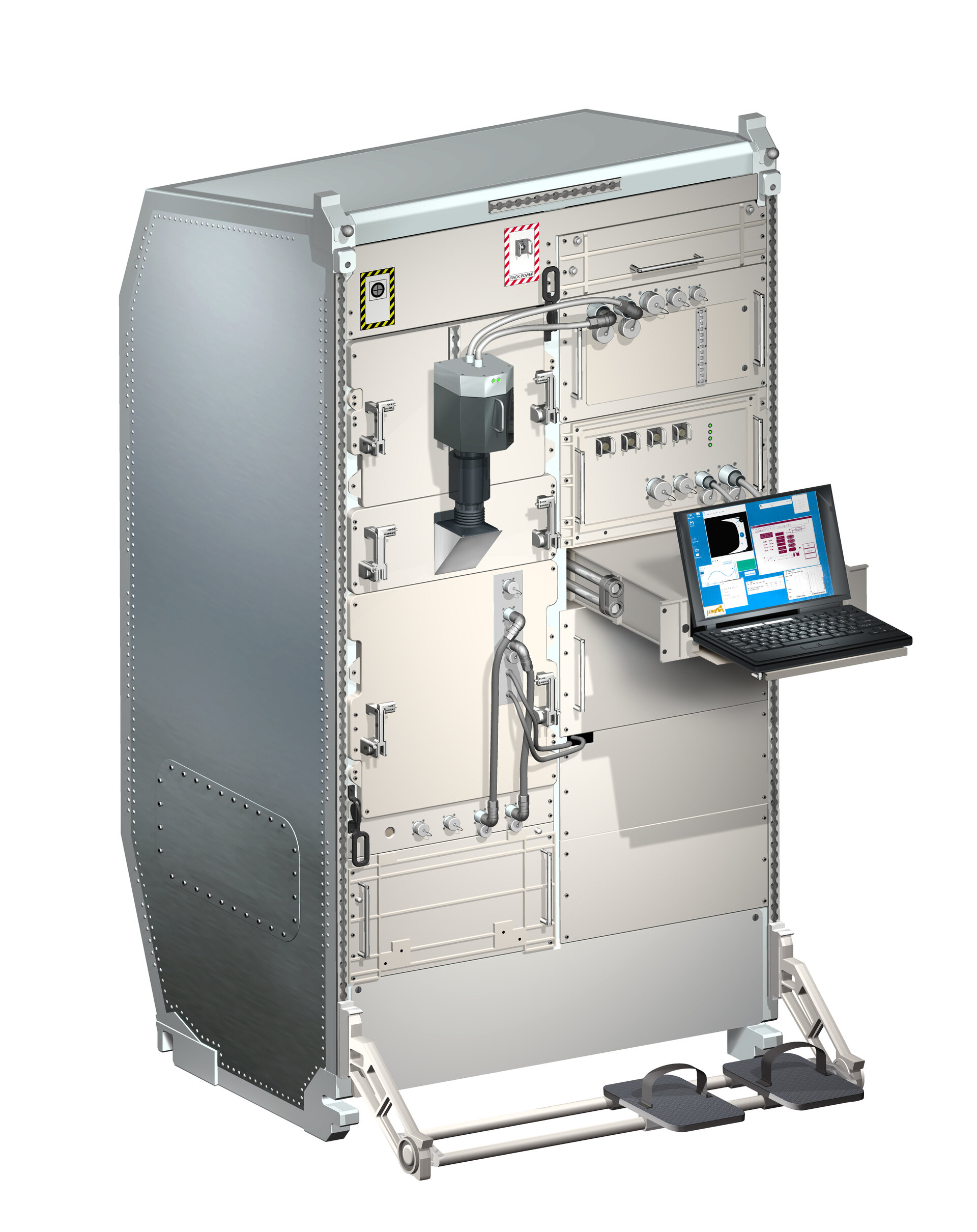
    Fluid physics research facility in Columbus

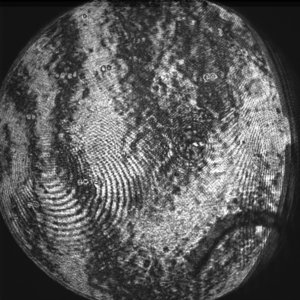
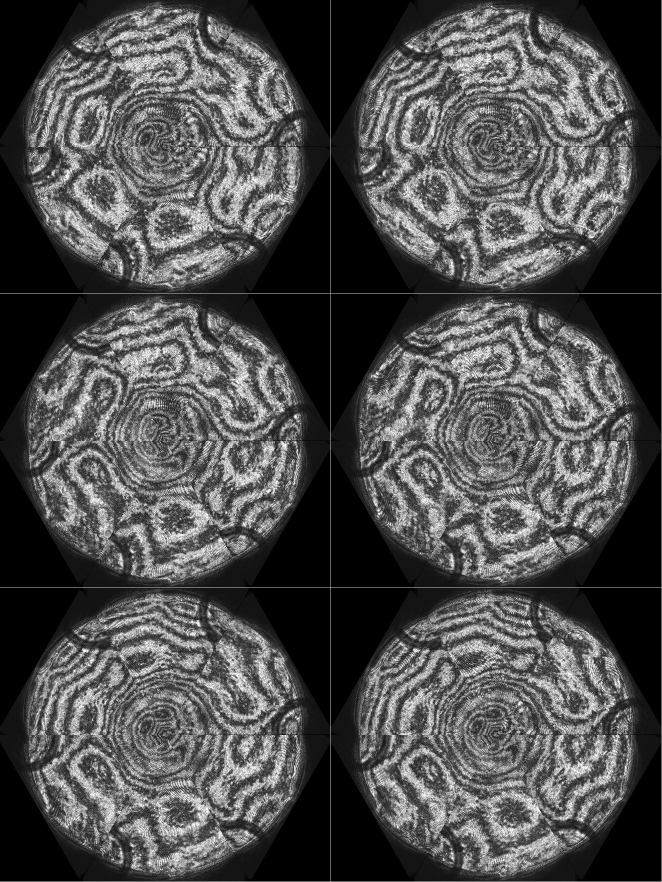
    The Fluid Science Laboratory is a multi-user facility to study the dynamics of fluids in the absence of gravitational forces. This allows investigation on fluid dynamic effects, phenomena that are normally masked by gravity driven convection, sedimentation, stratification and fluid static pressure. These effects include e.g.diffusion-controlled heat and mass transfer in crystallization processes, interfacial mass exchange, simulation of geophysical fluid flows, emulsion stability and many more.

    Operations and utilisation

    Accommodation and Transport

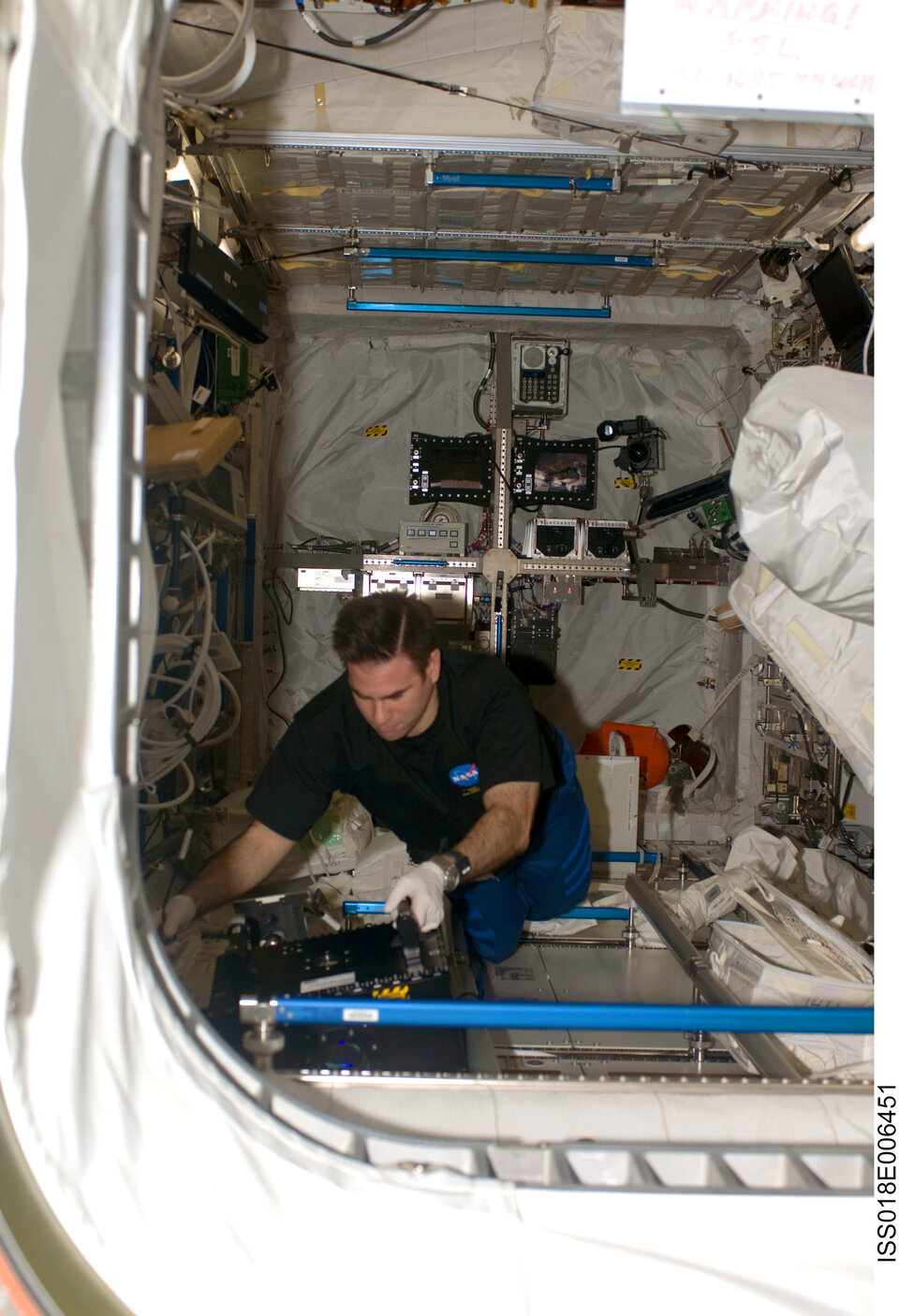
    The Fluid Science Laboratory (FSL) is housed in the European Columbus laboratory. Prepared Experiment Containers will be transported separately within the Multi-Purpose Logistics Module (MPLM - a cargo carrier transported inside the Space Shuttle cargo bay), or other available transport means such as the European Automated Transfer Vehicle (ATV) or the Russian Progress vehicles.

    Operational concept

    An individually-developed Experiment Container is used for each experiment or experiment Category, and is removed from on-board storage and inserted into the Central Experiment Modules drawer by a crewmember. The Experiment Container is then be cycled through an experiment and diagnostics calibration processing prior to initiation of the actual experiment itself.

    Each Experiment Container has a typical mass of ~25 kg, with a maximum allowable mass of 40 kg, and standard dimensions of 400 x 270 x 280 mm. The fluid cell assembly (including the process stimuli and control electronics) are accommodated within this volume. An Experiment Container may also be equipped with dedicated experiment diagnostics to complement the standard diagnostics provided by the Fluid Science Laboratory itself.

    The control concept allows alternative modes of operation consisting of fully automatic, semi-automatic and fully interactive experiment processing (step-by-step command keying by a member of the crew). All these modes may be initiated either by the flight crew or from the ground (quasi-real-time telescience).

    Utilisation scenario

    The Facility Responsible Centre for the Fluid Science Laboratory, has the overall responsibility to operate the facility according to the needs of individual Experiment Container Providers. The individual principle investigators can have own User Home Bases from where they can monitor the processing of their experiments.

    Schedule

    The Fluid Science Laboratory was launched aboard the Space Shuttle accommodated within the Columbus laboratory (launched on 7 February 2008). Since then the facility is accessible to the scientific community.

    A facility like Fluid Science Lab, which can be used over and over again with different Experiment Containers, allows shorter individual mission preparation times and contributes to a faster scientific development in the specific field.
    Last update: 23 July 2008

    Rate this

    Views

    Share

    • Currently 0 out of 5 Stars.
    • 1
    • 2
    • 3
    • 4
    • 5
    Rating: 0/5 (0 votes cast)

    Thank you for rating!

    You have already rated this page, you can only rate it once!

    Your rating has been changed, thanks for rating!

    46
    facebook
    twitter
    reddit
    google plus
    digg
    tumbler
    digg
    blogger
    myspace
    • Columbus facilities
      • Biolab
        • European Drawer Rack (EDR)
          • European Physiology Modules (EPM)
            • European Transport Carrier (ETC)
              • Fluid Science Laboratory (FSL)
                • Microgravity Science Glovebox (MSG)
                • External payloads
                  • European Technology Exposure Facility (EuTEF)
                    • SOLAR

    Connect with us

    • RSS
    • Youtube
    • Twitter
    • Flickr
    • Google Buzz
    • Subscribe
    • App Store
    • LATEST ARTICLES
    • · CryoSat hits land
    • · Ariane 5 completes seven launches …
    • · Measuring skull pressure without t…
    • · Malargüe station inauguration
    • · The solar wind is swirly
    • FAQ

    • Jobs at ESA

    • Site Map

    • Contacts

    • Terms and conditions