Get some rest
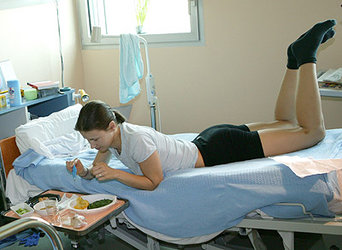
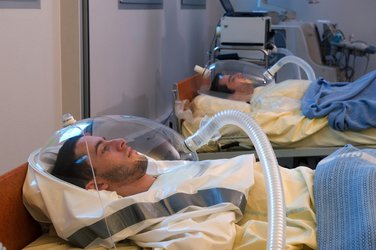
Why are 12 volunteers about to spend 21 days in bed, lying with their heads tilted below the horizontal? Their experience will help to understand and address changes in astronauts’ bodies in space as well as in bedridden people on Earth.
Far from being a period of rest and relaxation, the volunteers in this bedrest study will undergo regular and intensive daily activities, including tests and examinations at the French institute for space medicine and physiology, MEDES.
They will not be allowed to get up, not even once, for a breath of fresh air, a change of scenery, a shower or to use the toilet.
The volunteers in this study are expected to repeat their 21-day ordeal twice in the space of one year.
As we age, our bodies lose bone density and muscle strength. Astronauts in space suffer similar changes but at a much faster rate than on Earth.
Finding ways to combat this process is important to space agencies, hospital patients and everyone who plans on growing old.
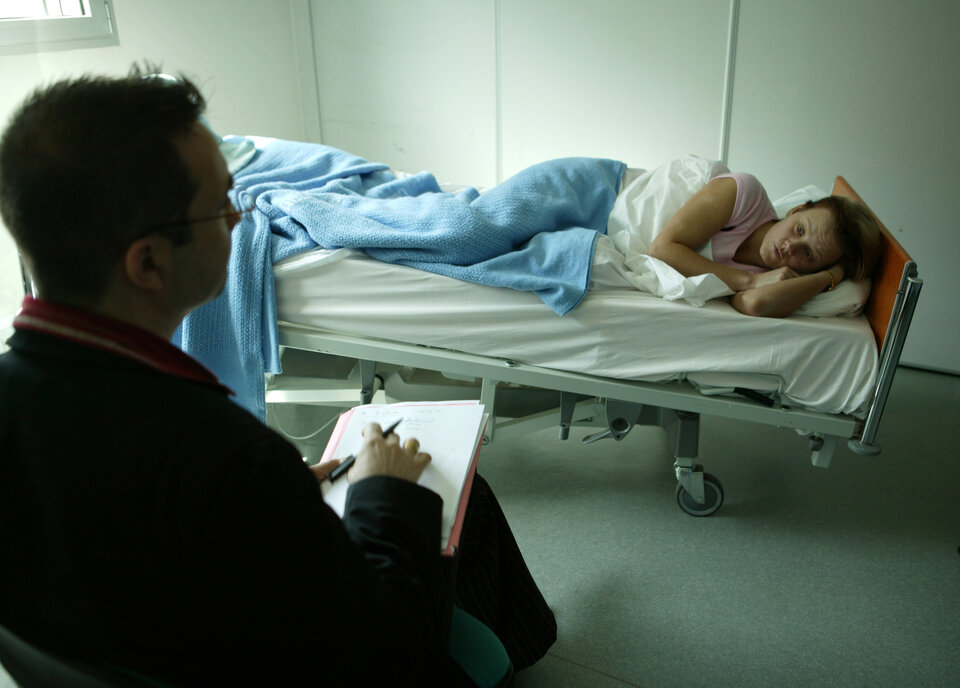
In the name of scientific progress, the participants will be scientifically scrutinised to see how they adapt to staying in bed for long periods.
The research is part of a wide range of international bedrest studies that aim to develop and test countermeasures to the challenges of living in space, ageing and long periods of immobilisation after illness.
This study is co-funded by French national space agency CNES and is part of ELIPS, the European Programme for Life and Physical Sciences.
Putting people in bed lying with their heads 6° below the horizontal for long periods causes their bodies to react in similar ways to being weightless, but is cheaper and safer than sending them into space.
Bodybuilding in bed
In this study the 12 volunteers are divided into three groups to test a set of countermeasures to muscle and bone loss.
The control group will spend 21 days in bed without any countermeasures, while a second group follows a schedule using resistive and vibrating exercise machines.
The last group will use the exercise machines and eat nutritional supplements of whey protein – a common supplement used by bodybuilders to train their muscles.
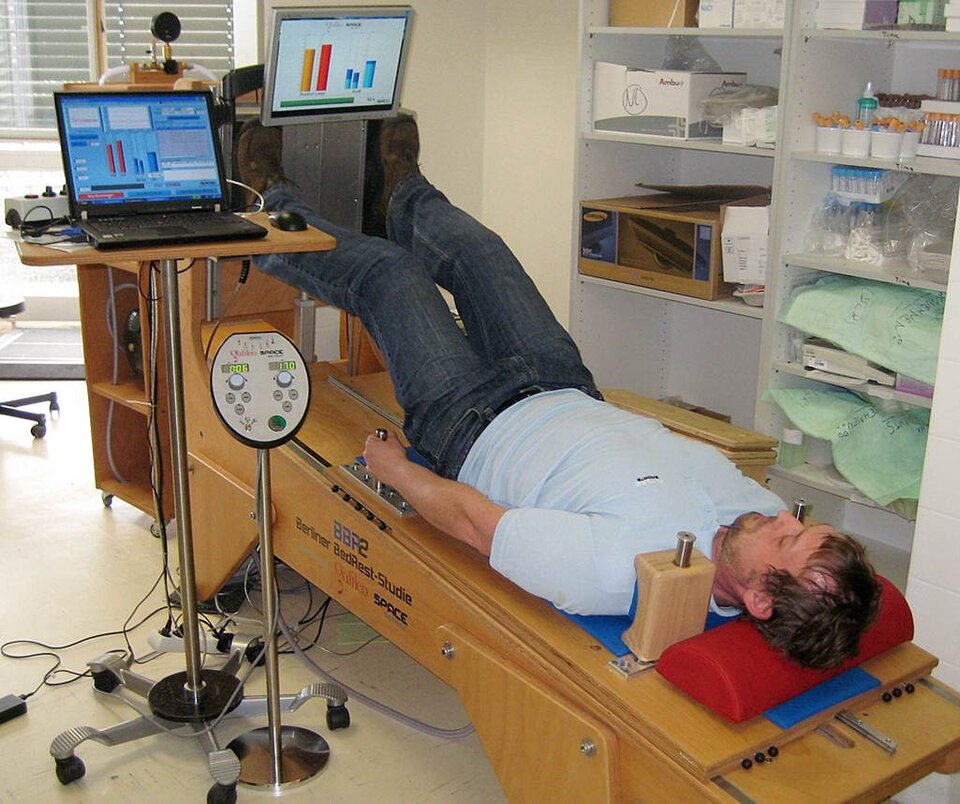
Although the properties of whey protein are well known to bodybuilders, will the protein help to maintain muscle strength without hours spent in the gym?
The healthy volunteers will participate in all the regimes one after the other over the course of the entire experiment of more than a year.
After the first 21-day session starting today, they will return to the clinic at MEDES in Toulouse, France, for another session and once more in 2013 for a final session.
The volunteers will have four months between each bedrest session to recuperate, get some real rest and appreciate getting out of bed in the morning.