• → European Space Agency

      • Space for Europe
      • Space News
      • Space in Images
      • Space in Videos
    • About Us

      • Welcome to ESA
      • DG's News and Views
      • For Member State Delegations
      • Business with ESA
      • ESA Exhibitions
      • ESA Publications
      • Careers at ESA
    • Our Activities

      • Space News
      • Observing the Earth
      • Human Spaceflight
      • Launchers
      • Navigation
      • Space Science
      • Space Engineering
      • Operations
      • Technology
      • Telecommunications & Integrated Applications
    • For Public

    • For Media

      • Media
      • ESA TV
      • Videos for professionals
      • Photos
    • For Educators

    • For Kids

    • ESA

    • Operations

    • Ground Systems Engineering

    • Space Debris

    • SSA

    • Operations
    • Operations home
    • Background
    • About Operations
    • The Right Stuff
    • Multimedia

      • Images
      • Videos
    • SSA programme
    • Space Situational Awareness
    • Teams on ground
    • Ground Systems Engineering
    • EGOS - Ground operation system
    • Missions in space
    • Solar and planetary
    • Astronomy & fundamental physics
    • Earth observation
    • Human spaceflight
    • Technology demonstration
    • Estrack operations
    • Past missions
    • ESA mission history
    • - Find a mission: A...Z
    • Mission control centres
    • ATV Control Centre (ATV-CC)
    • Columbus Control Centre (Col-CC)
    • Ground stations
    • Estrack tracking stations
    • ESTRACK Control Centre
    • - Find a station: A...Z
    • OPS Community
    • Advanced Operations Concepts Office
    • HSO Exchange
    • Knowledge Management at ESA's Operations team

    ESA > Our Activities > Operations

    Lost asteroid rediscovered with a little help from ESA

    Asteroid 2008SE85
    12 October 2012

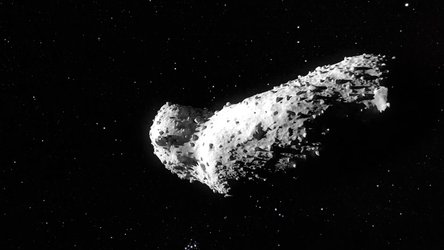
    A potentially hazardous asteroid once found but then lost has been rediscovered and its orbit confirmed by a determined amateur astronomer working with ESA’s space hazards programme. The half-kilometre object will not threaten Earth anytime soon.

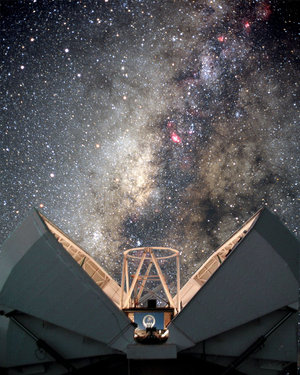
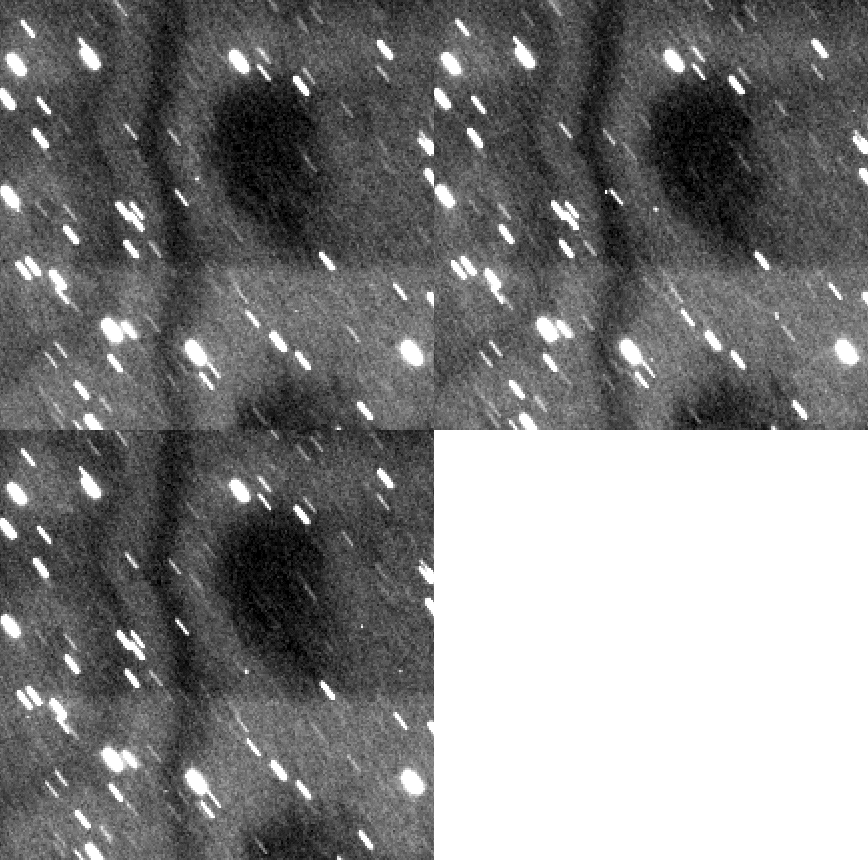
    Amateur astronomer Erwin Schwab, from Germany, conducted his asteroid hunt in September during a regular observation slot at ESA’s Optical Ground Station in Tenerife, Spain, sponsored by the Agency’s Space Situational Awareness programme.

    He was determined to rediscover the object, known by its catalogue name as 2008SE85.

    Potentially Hazardous Asteroid 2008SE85 was discovered in September 2008 by the Catalina Sky Survey, and observed by a few observatories to October 2008.

    Asteroid considered lost

    Since then, however, nobody had observed the object and predictions for its current position had become so inaccurate that the object was considered to be ‘lost’.


    Orbit of 2008SE85

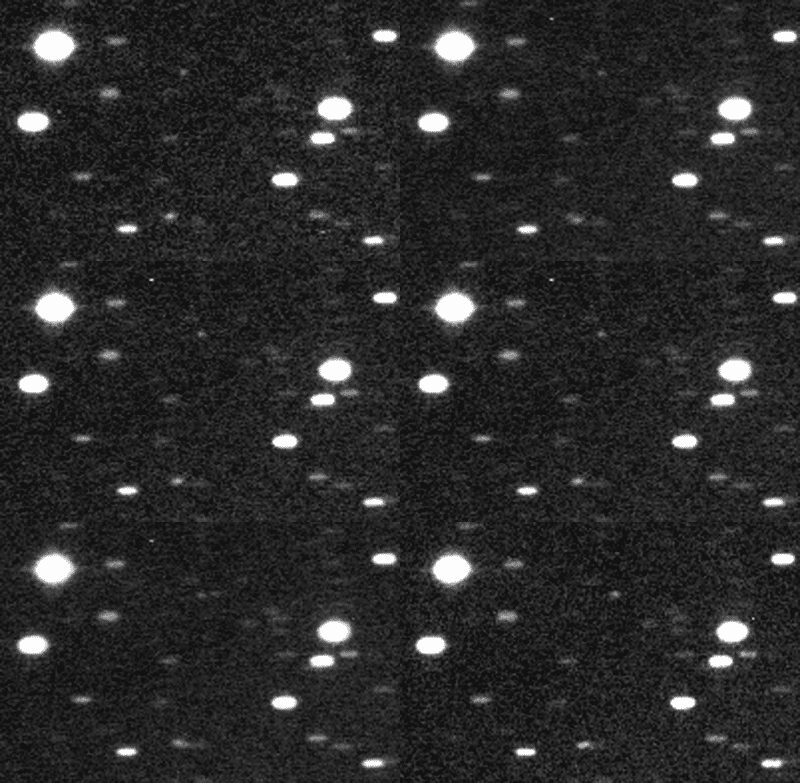
    Erwin planned his observing sequence to look for the object within the area of uncertainty of its predicted position. After only a few hours, he found it about 2° – four times the apparent size of the Moon – away from its predicted position.

    “I found the object on the evening of Saturday, 15 September, while checking the images on my computer,” says Erwin.

    “I then saw it again at 01:30 on Sunday morning – and that was my birthday! It was one of the nicest birthday presents.”

    These new observations of the roughly 500 m-diameter asteroid will allow a much more accurate determination of its orbit and help confirm that it will not be a threat to Earth anytime soon.

    Potentially Hazardous Asteroids approach Earth closer than about 7 million km; about 1300 are known.

    When a new asteroid is discovered, follow-up observations must be done within a few hours and then days to ensure it is not subsequently lost.

    USA-based Minor Planet Center acknowledges the find

    Asteroid position measurements are collected from observers worldwide by the US-based Minor Planet Center, which acknowledged the rediscovery of 2008SE85 by releasing a Minor Planet Electronic Circular announcing the new observations.
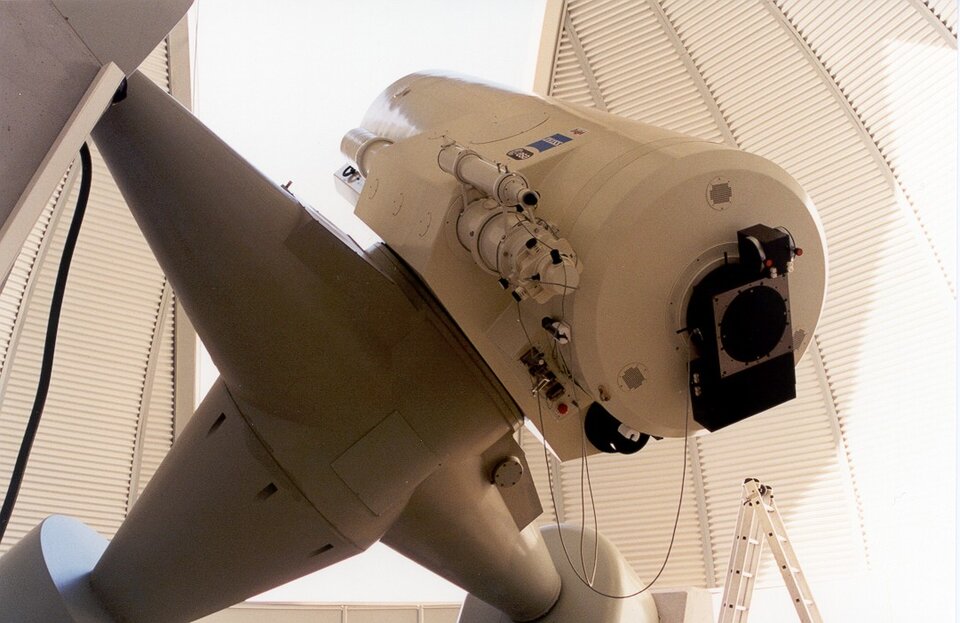
    1m telescope at ESA's Optical Ground Station

    “These observations were part of the strong collaboration that we have with a number of experienced backyard observers,” says Detlef Koschny, Head of the Near-Earth Object segment of ESA’s Space Situational Awareness programme.

    "It’s not the first time our collaboration with amateurs has scored such a success. Members of the Teide Observatory Tenerife Asteroid Survey started by Matthias Busch from Heppenheim, Germany, discovered two new near-Earth objects during the last year while working with our observing programme."

    Contact

    Rate this

    Views

    Share

    • Currently 5 out of 5 Stars.
    • 1
    • 2
    • 3
    • 4
    • 5
    Rating: 5/5 (3 votes cast)

    Thank you for rating!

    You have already rated this page, you can only rate it once!

    Your rating has been changed, thanks for rating!

    788
    Tweet
    • Space Situational Awareness
    • More news
      • Global workshop assesses asteroid 2011 AG5
        • Amateur astronomers boost ESA’s asteroid hunt
          • Near-miss asteroid will return next year
            • Amateur skywatchers help space hazards team
              • Defending the planet against rocky invaders
              • More information
                • Near-Earth Objects - NEO Segment

    Connect with us

    • RSS
    • Youtube
    • Twitter
    • Flickr
    • G+
    • Facebook
    • Livestream
    • Subscribe
    • App Store
    • ESA Operations Twitter

    Follow ESA operations

    • LATEST ARTICLES
    • · Rare merger reveals secrets of gal…
    • · Watching for hazards: ESA opens as…
    • · ESA astronaut Timothy Peake set fo…
    • · Space drives e-mobility
    • · Proba-V opens its eyes
    • FAQ

    • Jobs at ESA

    • Site Map

    • Contacts

    • Terms and conditions