• → European Space Agency

      • Space for Europe
      • Space News
      • Space in Images
      • Space in Videos
    • About Us

      • Welcome to ESA
      • DG's News and Views
      • For Member State Delegations
      • Business with ESA
      • ESA Exhibitions
      • ESA Publications
      • Careers at ESA
    • Our Activities

      • Space News
      • Observing the Earth
      • Human Spaceflight
      • Launchers
      • Navigation
      • Space Science
      • Space Engineering
      • Operations
      • Technology
      • Telecommunications & Integrated Applications
    • For Public

    • For Media

      • Media
      • ESA TV
      • Videos for professionals
      • Photos
    • For Educators

    • For Kids

    • ESA

    • Space Engineering

    • What we do
    • Directorate of Technical and Quality Management (TEC)
    • Electrical
    • Electrical engineering
    • Control Systems
    • Data Systems
    • Radio Frequency Payload Systems
    • Electromagnetics and Space Environment
    • Power and Energy Conversion
    • Mechanical
    • Mechanical engineering
    • Thermal Control
    • Structures and Mechanisms
    • Mechatronics and Optics, incl. robotics and life support
    • Propulsion and Aerothermodynamics
    • Systems
    • Systems and software engineering
    • Software Systems
    • Systems Engineering, incl. cost engineering
    • Technology programmes
    • Product Assurance
    • Product Assurance
    • Flight Safety
    • Dependability
    • Quality Management and Assurance
    • Materials and Processes
    • Electronic Components
    • Software Product Assurance
    • Standards
    • Requirements and standards
    • European Cooperation for Space Standardization (ECSS)
    • European Space Components Coordination (ESCC)
    • Services
    • ESA calendar of events
    • Subscribe

    ESA > Our Activities > Space Engineering

    October event targets innovation in systems and concurrent engineering

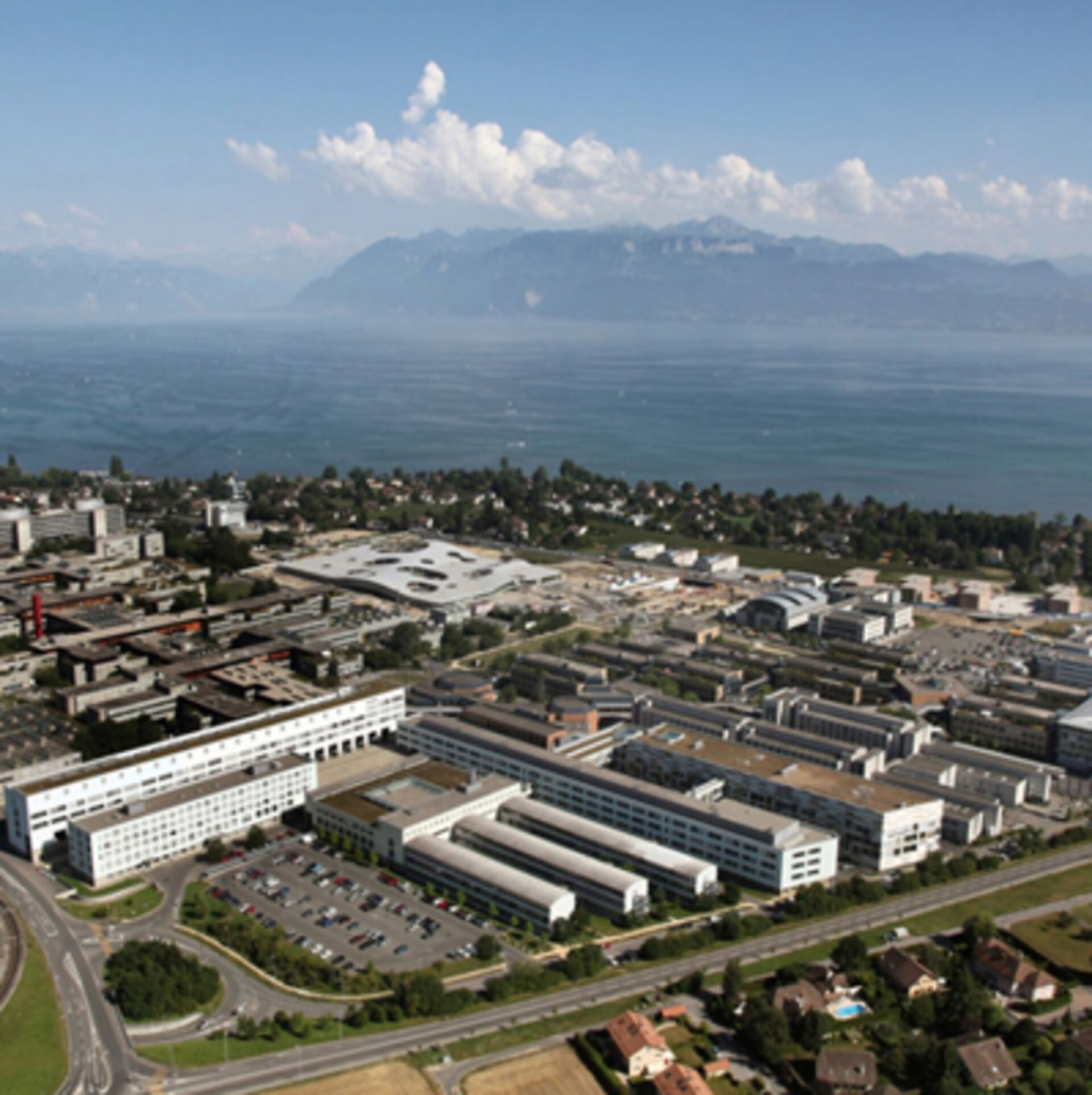
    EPFL
    23 August 2010

    As an R&D organisation, ESA flies space missions that make scientific discoveries or visit distant worlds, and fosters novel technologies to make them happen. But ESA also works to innovate the way its missions are engineered.

    Innovation in systems engineering, and particularly in concurrent engineering, will be the focus of an international workshop this October.

    The fourth International Workshop on System and Concurrent Engineering for Space Applications (SECESA 2010) will take place in Lausanne, Switzerland on 13–15 October 2010. The event is being organised by ESA’s Directorate of Technical and Quality Management in partnership with the Ecole Polytechnique Federale (EPFL) de Lausanne.
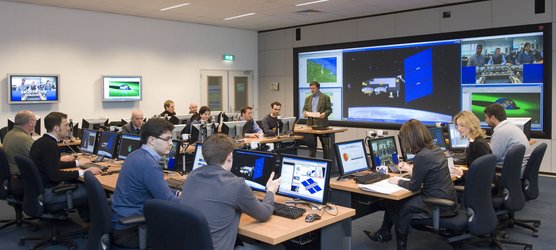
    The Concurrent Design Facility
    The Concurrent Design Facility

    Massimo Bandecchi, Head of ESA’s Systems and Concurrent Engineering, commented: “Following the lead of the previous SECESA 2008 event, which took place at Rome’s La Sapienza University, the workshop is being held at a university, enabling local students to directly participate and get acquainted with the topics concerned at little to no cost.”

    The workshop aims to gather together participants from space and non-space institutions, industry and academia interested in the theory, practice and application of system and concurrent engineering (S&CE). It offers them a forum for sharing their experience and discussing innovations and future plans for the field. Success stories and lessons learned from S&CE projects will also be exchanged.

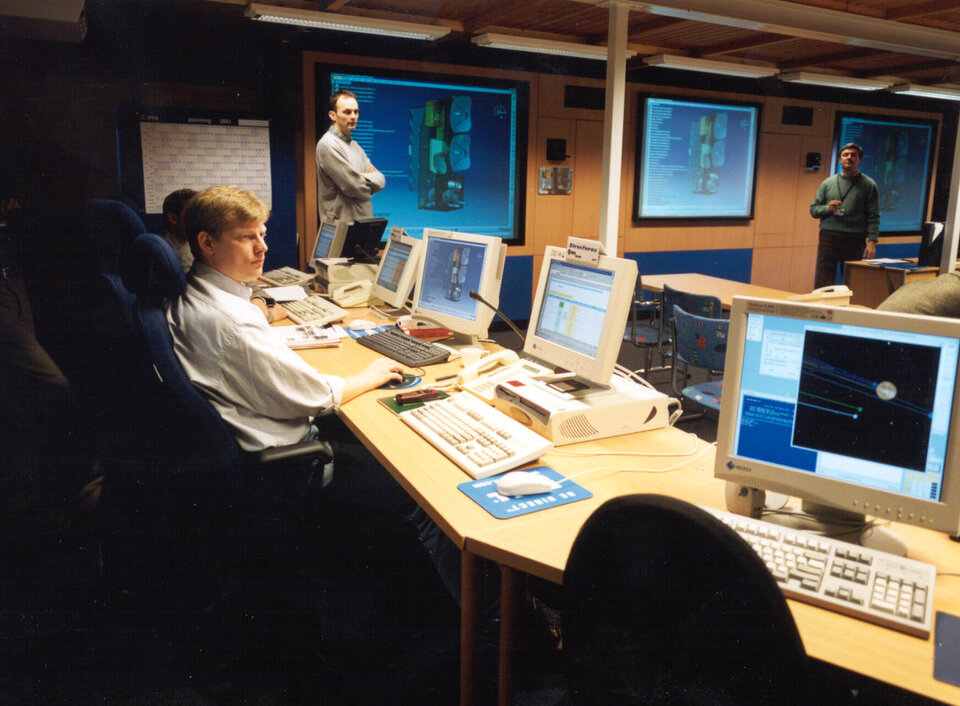
    Concurrent Design Facility
    CDF study session

    As well as allowing people to learn from each other’s experiences, the intention is also to promote standardisation and collaboration among European space organisations.

    The October workshop will consider current industrial practices of S&CE across aerospace and other industries, its application across all stages of a project’s life cycle and new methods and enabling technologies associated with it.

    New design approaches for complex systems and system of systems will be examined, as well as lean engineering processes, knowledge management and capitalisation techniques and specific methodologies for smaller nano- and cube-class satellites.
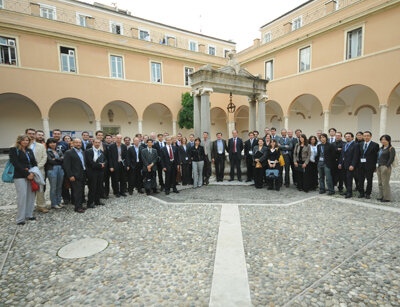
    SECESA 2008 participants
    Previous workshop took place in Rome

    Also under discussion will be the creation, operations and distributions of concurrent design centres on the model of ESA’s Concurrent Design facility (CDF), and how they can be interconnected and harmonised to increase their overall usefulness.

    For more information, see the right hand links.

    Rate this

    Views

    Share

    • Currently 0 out of 5 Stars.
    • 1
    • 2
    • 3
    • 4
    • 5
    Rating: 0/5 (0 votes cast)

    Thank you for rating!

    You have already rated this page, you can only rate it once!

    Your rating has been changed, thanks for rating!

    19
    Tweet
    • More information
    • SECESA 2010
    • EPFL
      • Systems Engineering, incl. cost engineering
      • CDF minisite
        CDF minisite
        Concurrent Design Facility

    Connect with us

    • RSS
    • Youtube
    • Twitter
    • Flickr
    • G+
    • Facebook
    • Livestream
    • Subscribe
    • App Store
    • LATEST ARTICLES
    • · Earth Explorers take centre stage …
    • · The fast winds of Venus are gettin…
    • · ExoMars 2016 set to complete const…
    • · Herschel ends operations as orbiti…
    • · Europe’s largest spaceship reache…
    • FAQ

    • Jobs at ESA

    • Site Map

    • Contacts

    • Terms and conditions