

Systems and software engineering
Space mission are among the most complex achievements ever attempted, involving specialists from all domains, from engineering to space medicine. Spacecraft designs involve numerous sub-systems developed by specialist teams, all of which are essential for mission success. The Systems Department of ESA’s Directorate of Technology, Engineering and Quality is home to some of these specialist domains.
The Department is the natural home for system engineering, taking a holistic view of the current and future space mission undertaken by ESA. The specialist domains within the department include the software development division, looking after both flight and ground software and the division devoted to ensuring the spacecraft attitude control and guidance and navigation. Cost engineers who estimate the cost of these ambitious projects before they are undertaken provide the economic view.
The Department is complemented by an Advanced Concepts Team (ACT), looking at the future trends in space and blue sky thinking while another group oversees Technology Transfer and ESA Patents.
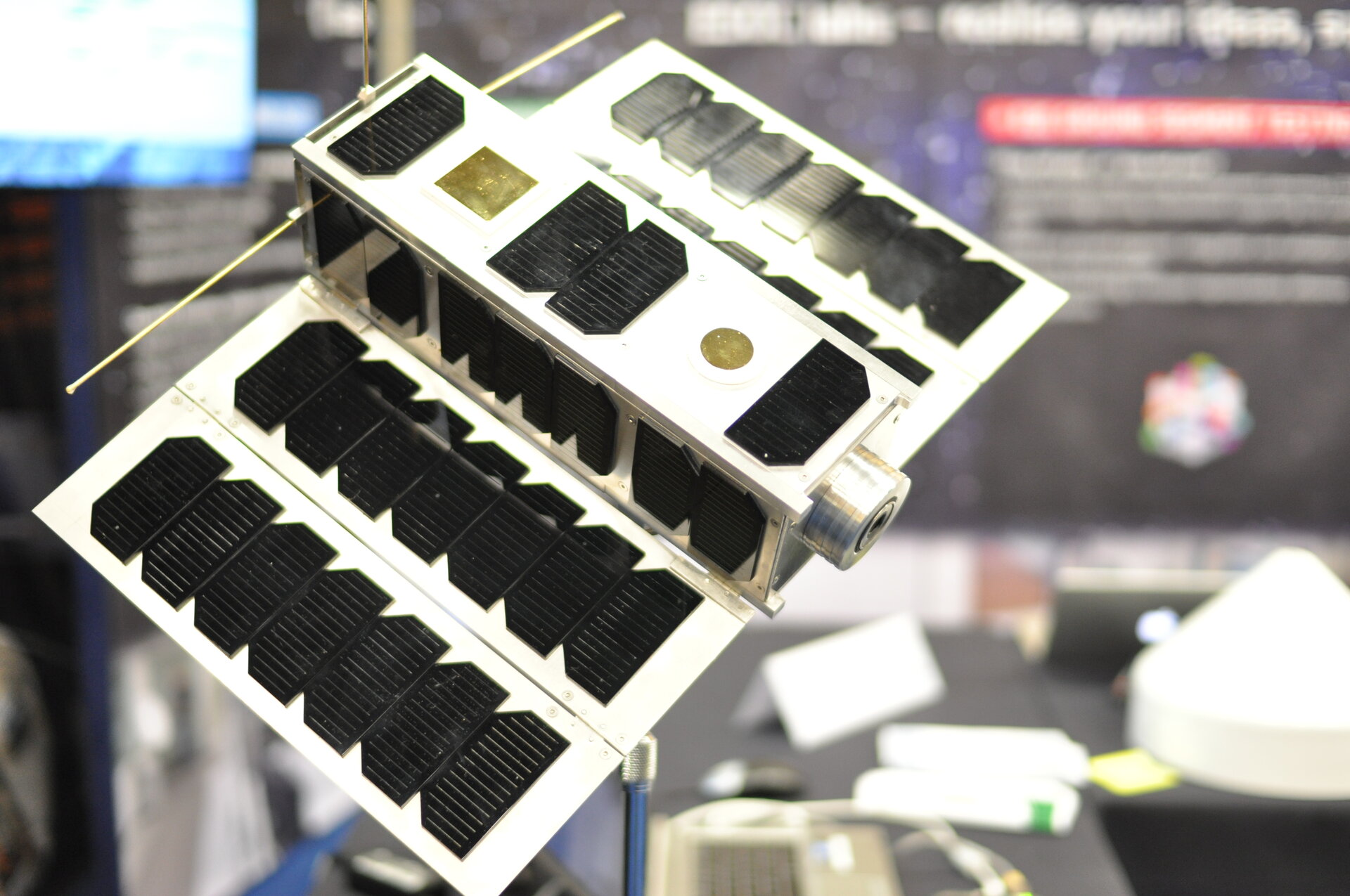
The Department is also responsible for the design and project management of In-orbit Demonstration projects for the Agency (small satellites and CubeSats), which also rely also on the expertise of the Department's system engineers.
The Department’s systems engineers take the needs from users then design an architecture to meet those needs within acceptable technical, programmatic and cost boundaries. Systems engineering effectively 'gives birth' to missions, turning an initial idea into a full system description, with all necessary elements integrated into a complete whole. These blueprints can then become the basis of subsequent decision-making, ultimately by ESA's Member States as they judge which future missions should gain their support. This work is usually carried out in the Department’s Concurrent Design Facility.
System engineers from the Department often carry on the system support to projects through the industrial phases up until the projects are adopted and go into later phases including build and launch.
Software is an important aspect of Systems Engineering and as space missions become more versatile and autonomous, software has become central to their design. To put it another way, today software is everywhere, influencing all domains. So the department includes the Software Systems division covering Flight and Ground Software as well as Software Technology.
Another common factor in all missions is their need to be controlled and find their way in space, the topic of the Systems Department’s Guidance Navigation and Control, Attitude and Orbit Control and Pointing Division.
Systems engineers maintain the focus on the space system as a whole rather than a collection of functional elements through regular project reviews occurring throughout the development, production and testing cycles. These serve to ensure the mission remains on track, including in terms of projected pricetag – the focus of the Department’s Cost Engineers.
Space systems are made possible by advanced technology. For technology to be usable for space it has to be developed to a high level of readiness so systems engineers guide technology development and assesses the impact of new technologies on future designs. The Department’s Advanced Concepts and Studies Office – including the Advanced Concepts Team, staffed by visiting researchers – takes the longest possible views ahead.
Increasingly the proving of new technology extends all the way to space, involving in-orbit demonstration, such as those undertaken aboard ESA’s Technology CubeSats or the long-running Proba series of small satellites, overseen by the Department’s Projects Office.
Finally, the results of ESA’s technology development activities are also found wider, down-to-Earth uses through the Department’s Technology Transfer and Patent Office.

