• → European Space Agency

      • Space for Europe
      • Space News
      • Space in Images
      • Space in Videos
    • About Us

      • Welcome to ESA
      • DG's News and Views
      • For Member State Delegations
      • Business with ESA
      • ESA Exhibitions
      • ESA Publications
      • Careers at ESA
    • Our Activities

      • Space News
      • Observing the Earth
      • Human Spaceflight
      • Launchers
      • Navigation
      • Space Science
      • Space Engineering
      • Operations
      • Technology
      • Telecommunications & Integrated Applications
    • For Public

    • For Media

      • Media
      • ESA TV
      • Videos for professionals
      • Photos
    • For Educators

    • For Kids

    • ESA

    • ESA Science

    • Mars Express

    • Europe goes to Mars

      • Europe reclaims a stake in Mars exploration
      • Space age transforms our knowledge about Mars
    • About Mars Express

      • Mars Express mission facts
      • Mars Express instruments
      • The mission
      • The spacecraft
      • The launcher
    • About Mars

      • Geography of Mars
      • Water on early Mars?
      • Signatures of life
      • Facts about Mars
    • Meet the team

      • International collaboration
      • Project Manager
      • Project Scientist
      • Mars Lead Scientist
      • Principal Investigators
      • Operations
      • Industry
    • Multimedia
    • VideoTalk
    • Mars Express images
    • Mars Express videos
    • HRSC videos
    • Animation in 11 languages
    • Download wallpapers
    • Download screensavers
    • 3D Flash 'model'
    • Make a model
    • Services
    • Comments

    ESA > Our Activities > Space Science > Mars Express

    minigallery: Mars Express Phobos minigallery

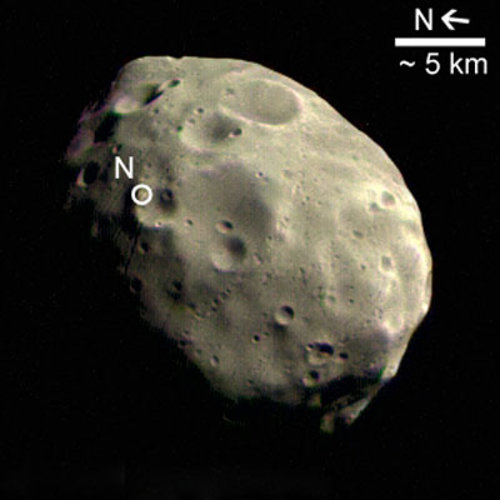
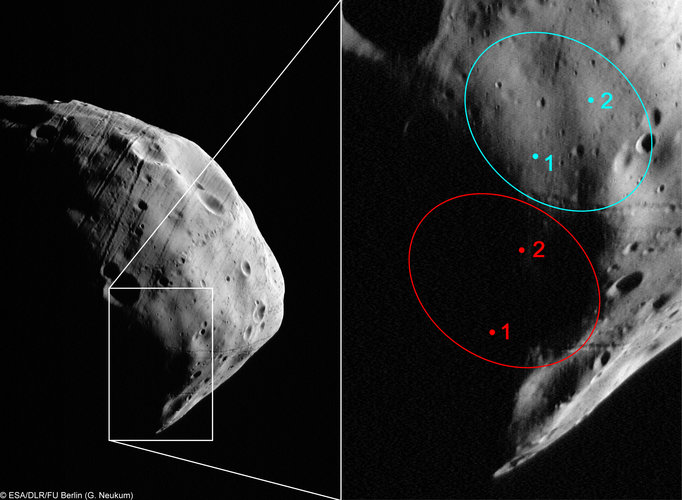
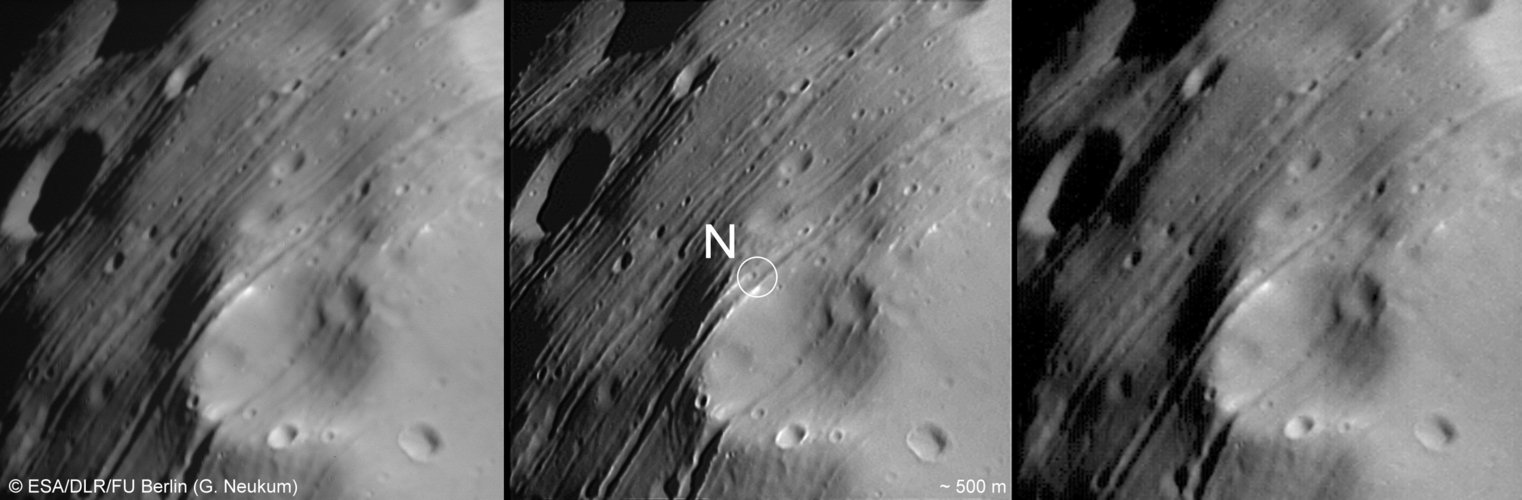
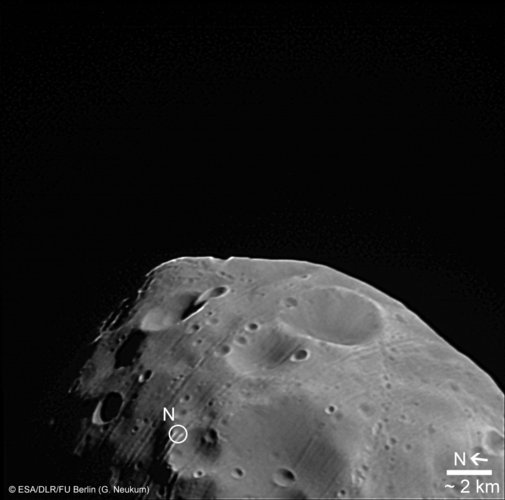
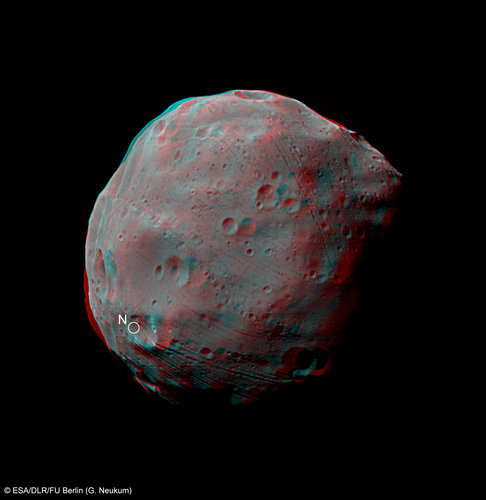
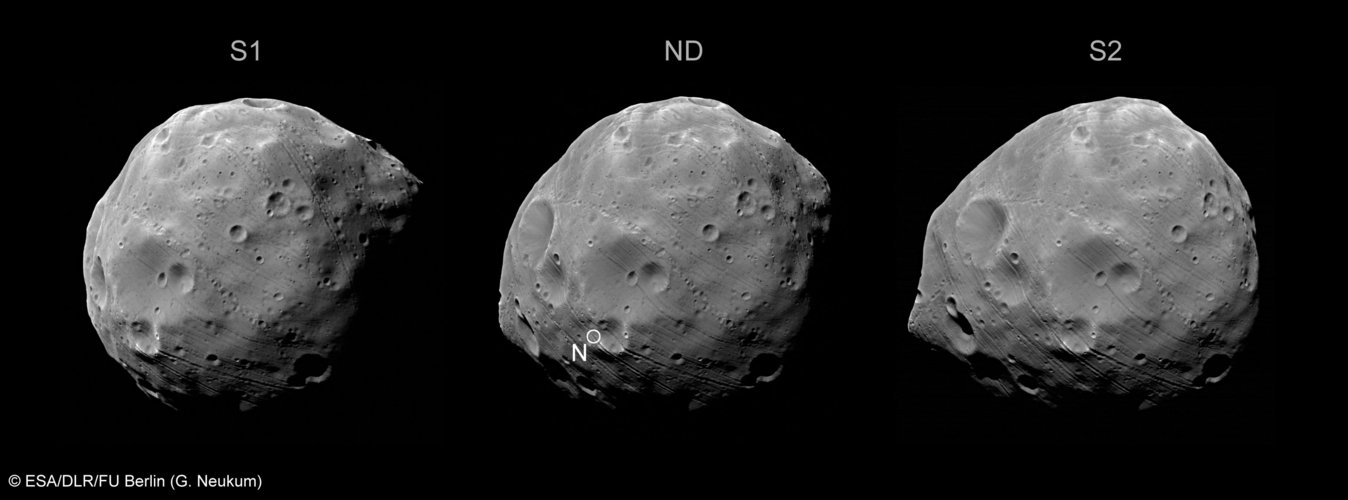
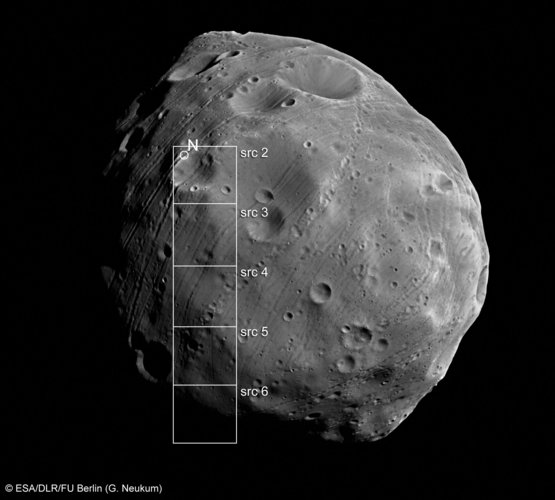
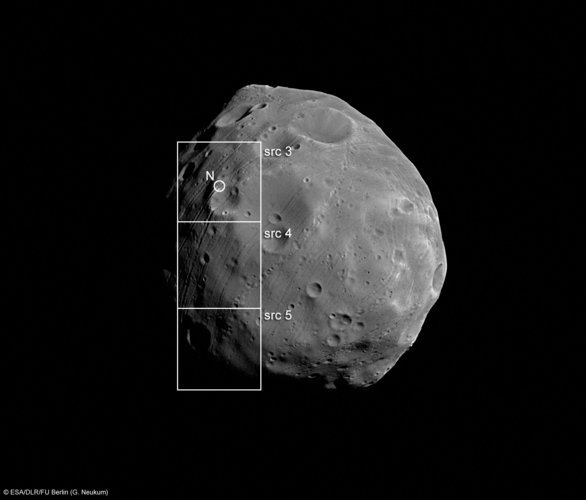
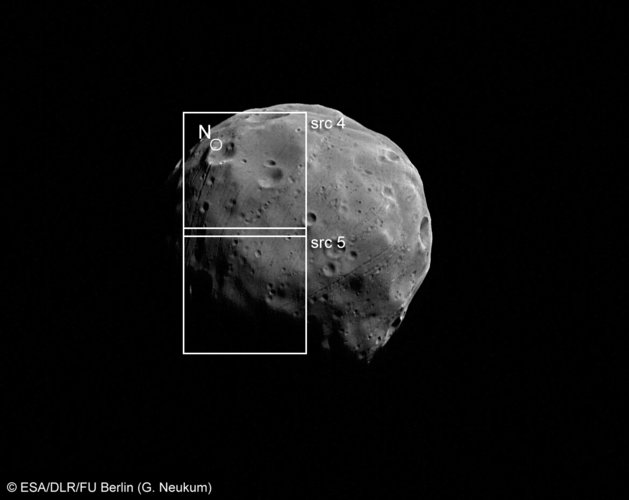
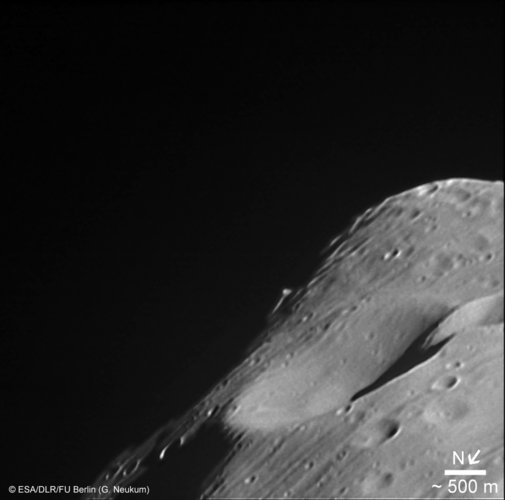
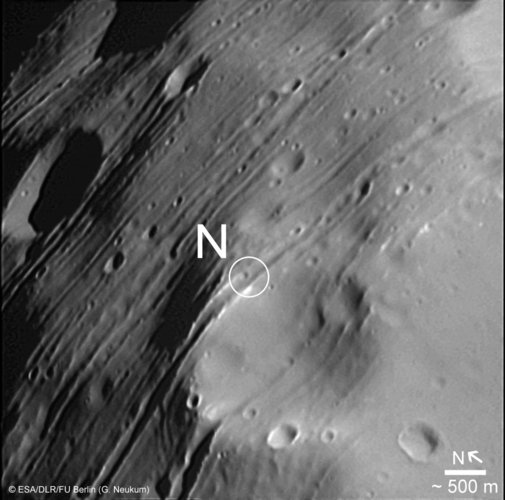
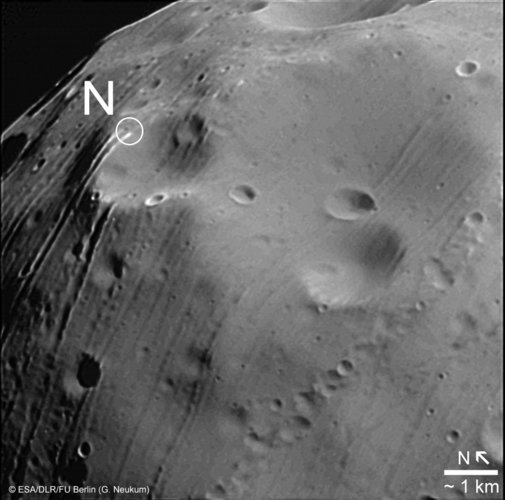
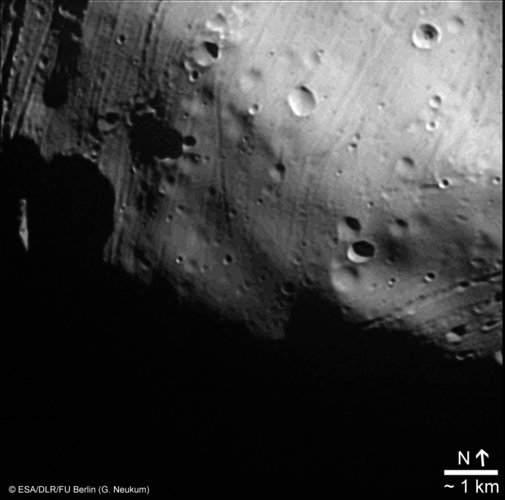
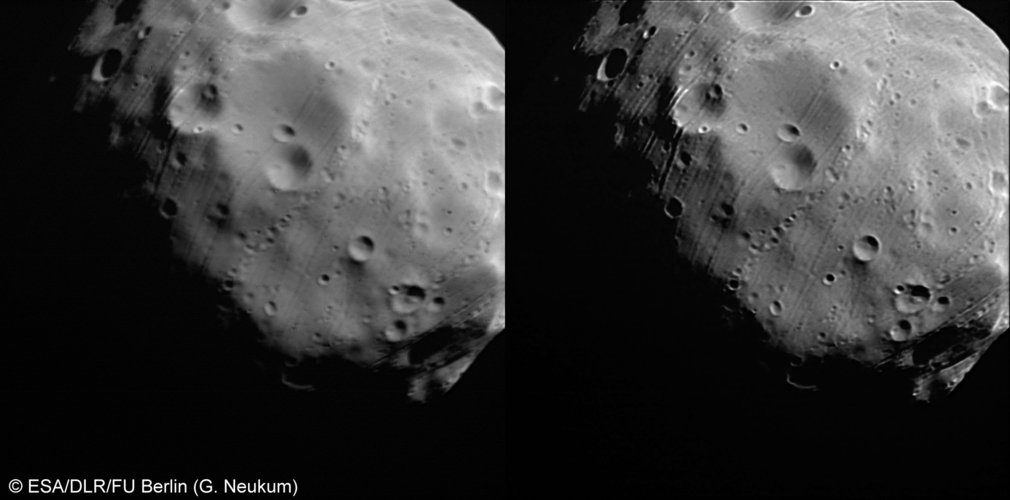
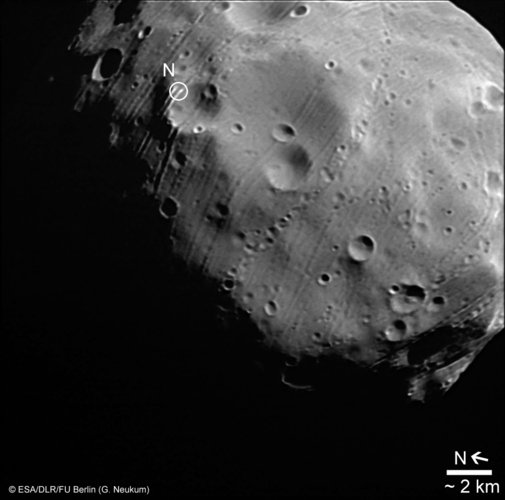
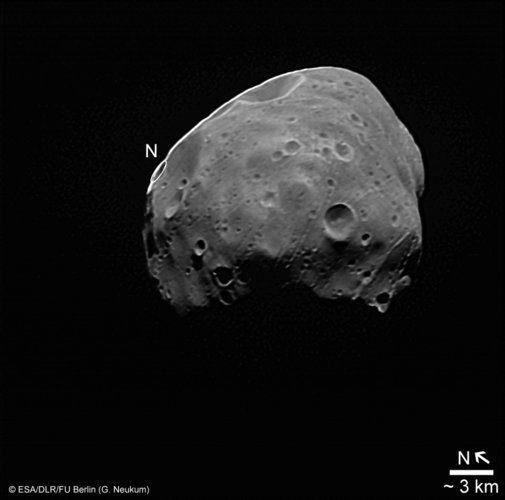
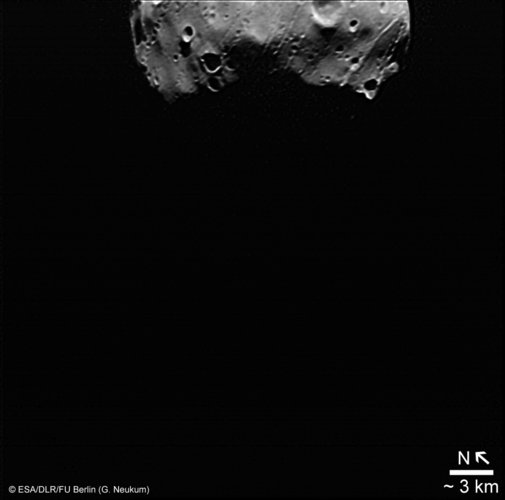
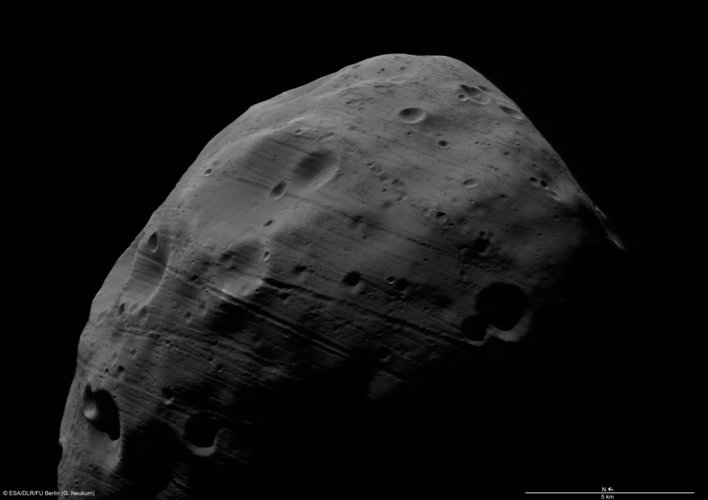
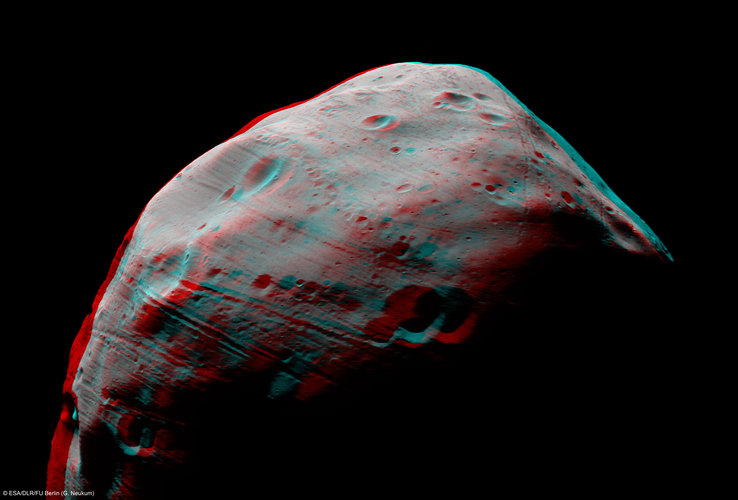
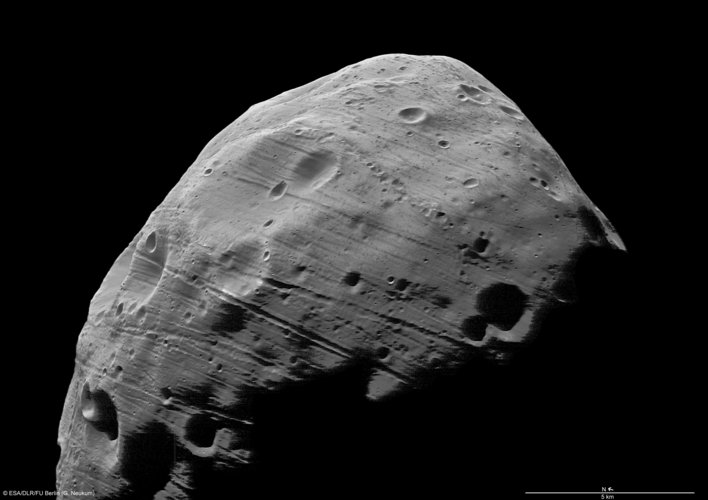
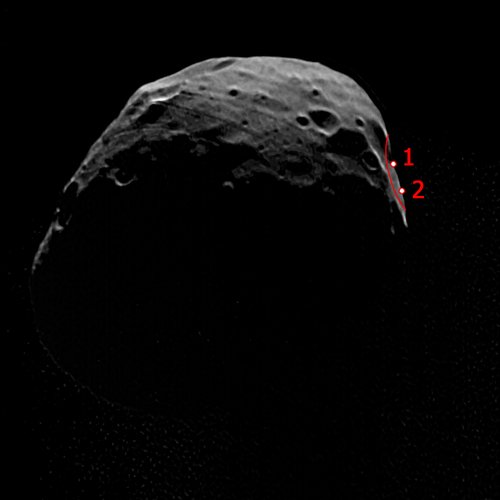
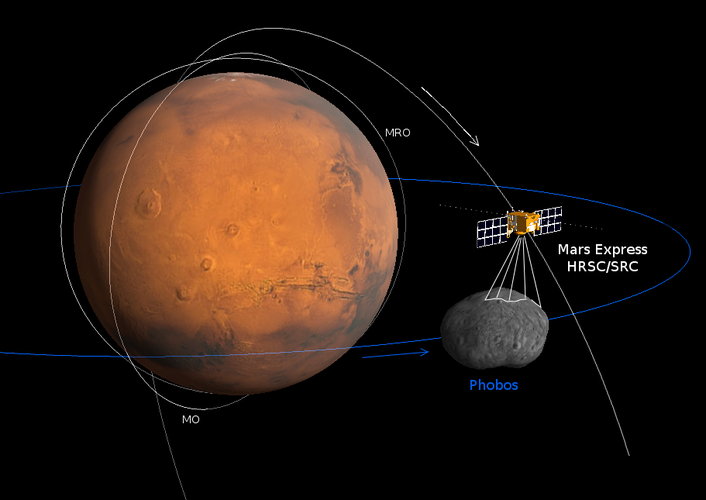
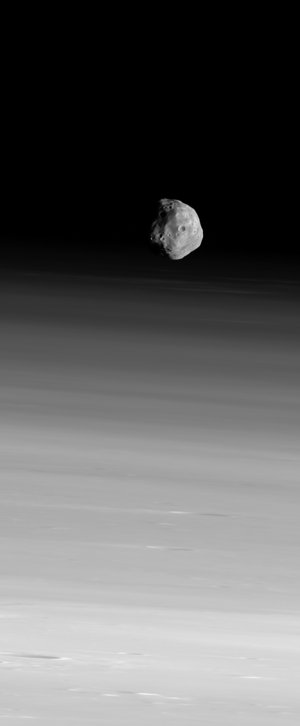
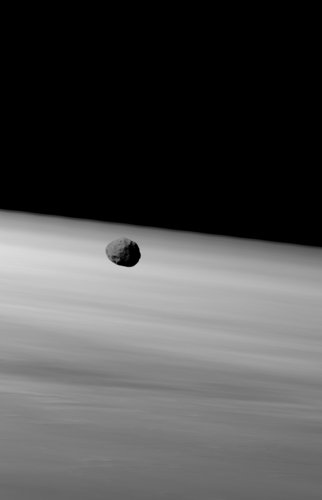
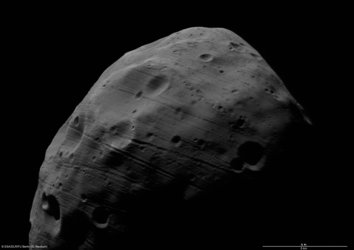
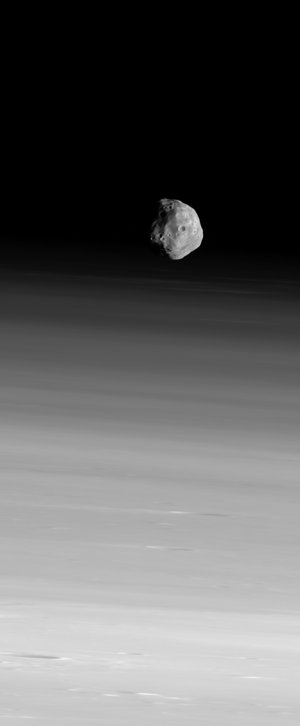
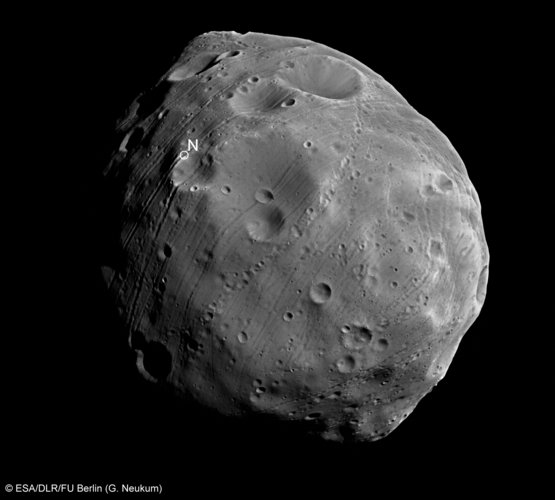
    Between 23 July and 15 September 2008 Mars Express performed a series of eight fly-bys of the martian moon Phobos, at distances ranging between 4500 and 93 km from the centre of the moon, conducting some of the most detailed investigations of the Moon to date. In observing Phobos, Mars Express benefits from its highly elliptical orbit which takes it from a closest Mars approach of 270 km above the surface up to a maximum of 10 000 km distant from the planet's centre, crossing the 9 400 km orbit of the moon. Like our Moon, Phobos always shows the same side to the planet, so it is only by flying outside the orbit that it becomes possible to observe the far side. The other spacecraft presently orbiting Mars do so at much lower altitudes, and therefore only see the planet-facing side of the moon.
    • 1
    • |2
    • |3
    • |4
    • |5
    • |>
    Mars’ moon Phobos
    Striking close-up on Phobos
    Photo mosaic of Phobos in super resolution
    First HRSC colour image of Phobos
    First HRSC colour image of Phobos
    HRSC’s zoom in on Phobos-Grunt landing site
    Stereo view of Phobos
    Details of Phobos' surface
    View of Phobos
    Stereo view of Phobos
    • 1
    • |2
    • |3
    • |4
    • |5
    • |>
    • Looking at Mars
    • Related articles
      • ESA closes in on the origin of Mars’ larger moon
        • Mars Express acquires sharpest images of martian moon Phobos
          • Mars Express to rendezvous with Martian moon

    Connect with us

    • RSS
    • Youtube
    • Twitter
    • Flickr
    • G+
    • Facebook
    • Livestream
    • Subscribe
    • App Store
    • LATEST ARTICLES
    • · Rare merger reveals secrets of gal…
    • · Watching for hazards: ESA opens as…
    • · ESA astronaut Timothy Peake set fo…
    • · Space drives e-mobility
    • · Proba-V opens its eyes
    • FAQ

    • Jobs at ESA

    • Site Map

    • Contacts

    • Terms and conditions