• → European Space Agency

      • Space for Europe
      • Space News
      • Space in Images
      • Space in Videos
    • About Us

      • Welcome to ESA
      • DG's News and Views
      • For Member State Delegations
      • Business with ESA
      • ESA Exhibitions
      • ESA Publications
      • Careers at ESA
    • Our Activities

      • Space News
      • Observing the Earth
      • Human Spaceflight
      • Launchers
      • Navigation
      • Space Science
      • Space Engineering
      • Operations
      • Technology
      • Telecommunications & Integrated Applications
    • For Public

    • For Media

    • For Educators

    • For Kids

    • ESA

    • Technology

    • Technology Transfer

    • About technology
    • Foundation of innovation
    • A solid investment
    • Going up
    • Competitive edge
    • Supporting science
    • Giant leaps
    • Cross-Cutting Initiatives
    • Strategy and harmonisation
    • About strategy and harmonisation
    • Generic technology programmes
    • Basic Technology Research Programme (TRP)
    • General Support Technology Programme (GSTP)
    • Technology Transfer Programme (TTP)
    • European Components Initiative (ECI)
    • Technology in domain programmes
    • Technology in Domain programmes
    • Services
    • ESA Conferences
    • RSS feeds
    • Subscribe

    ESA > Our Activities > Technology

    ATV during testing

    Million lines of code making ATV Europe’s smartest spacecraft

    Ask an astronaut about ESA's Automated Transfer Vehicle supply ship and they will tell you cheerfully that they know less about its inner workings than any other element of the International Space Station.

    International Space Station (ISS) crewmembers are required to be familiar in advance with all Station segments in case something goes wrong and requires manual intervention. This complex training process takes them all over the world and lasts three to five years in total.

    The average training time per ISS module is two to three months, but training on the Automated Training Vehicle (ATV) by comparison takes only a scant two weeks. This short timespan is an indication of the high level of autonomous intelligence built into the ATV and the degree of confidence that ESA's international partners have in its ability to fly and oversee itself.

    Intelligent space machine
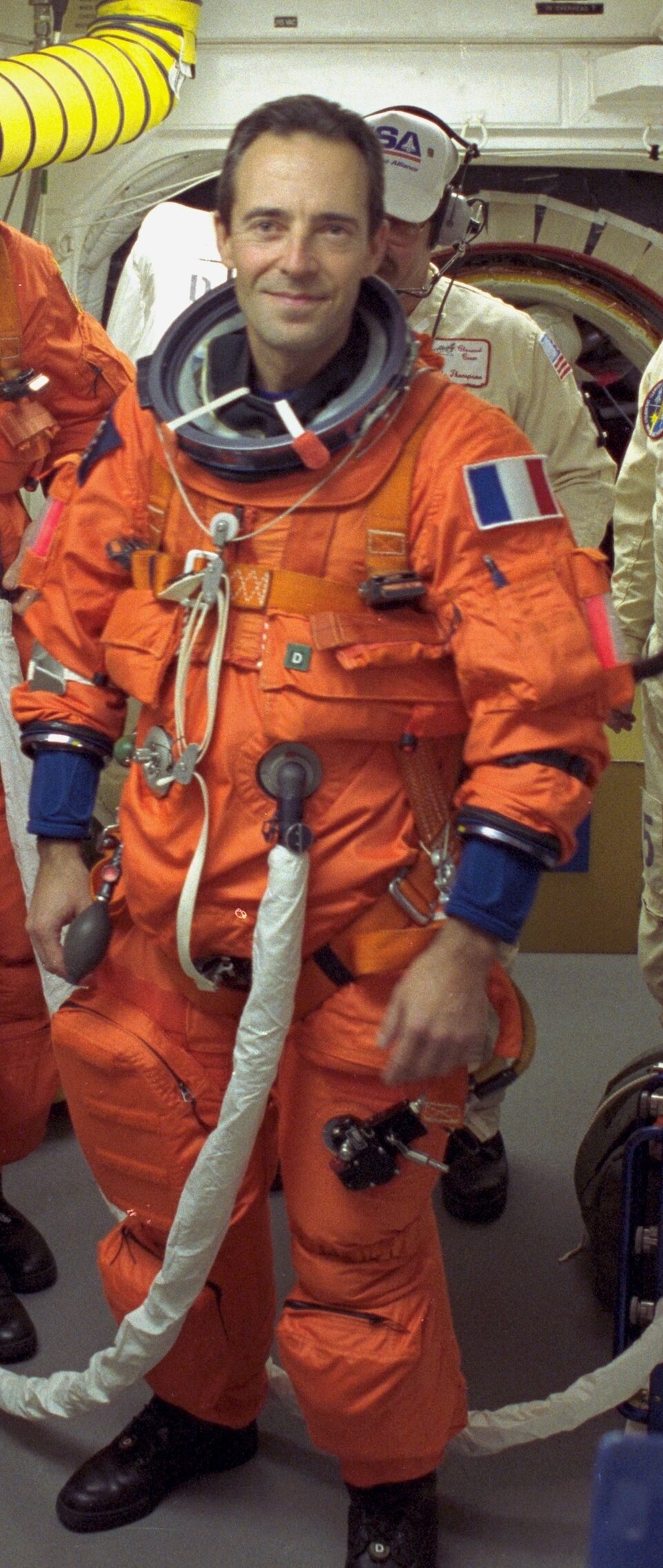
    Jean François Clervoy, astronaute français de l'ESA
    Jean- François Clervoy

    “The ATV is a space machine in which engineers have put the most complex intelligence that humans can put into a machine to ease the work of its future users,” explained Jean- François Clervoy, Senior Astronaut Adviser on ESA's ATV project. “Its automated capabilities are such that we don't need to have the crew in the loop. “In flying terms, it is like the progression from the first Airbus or Boeing to a modern Airbus 340 or 380 – moving from multiple indicators and switches all over the cockpit to where there are almost no switches at all today. The reason for this development is that modern pilots now enjoy sufficient trust in the automatic systems to run themselves.
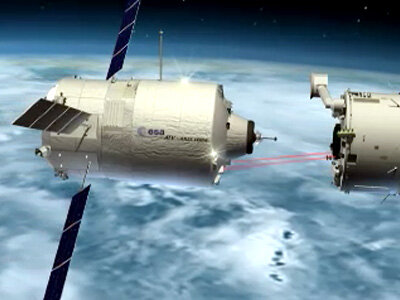

    Animation illustrating the mission scenario for ATV
    ATV mission profile

    “Similarly, the ATV is a new generation of spacecraft compared to the Soyuz or the Shuttle or even the first generation of ISS hardware, and its systems have enough maturity that the crew don't have to spend weeks or months just in case they would ever have to override automatic functioning. It's a valuable achievement because the time saved training and qualifying the crew to use the ATV on orbit is available for the crew to focus on other things, including the scientific work that is the ISS’s main purpose.”

    As a veteran of three Shuttle missions, including docking with the Mir space station and the Hubble Space Telescope, the astronaut knows all too well how demanding such manual rendezvous manoeuvres are.

    But sparing ISS crewmen the effort of directly overseeing the ATV in orbit meant a lot more effort had to be expended during the spacecraft’s development on the ground. By Clervoy’s estimate, around a million lines of code went into the ATV's flight control system, which oversee almost a hundred different operating modes.


    This article continues...
    Next

    Last update: 17 March 2010

    Rate this

    Views

    Share

    • Currently 0 out of 5 Stars.
    • 1
    • 2
    • 3
    • 4
    • 5
    Rating: 0/5 (0 votes cast)

    Thank you for rating!

    You have already rated this page, you can only rate it once!

    Your rating has been changed, thanks for rating!

    29
    Tweet
    • This article continues...
    • 1- Million lines of code making ATV Europe’s smartest spacecraft
    • 2 - ATV: technology for managing malfunctions
    • 3 - ATV: post-docking procedures
    • Technology
    • ATV
      • Third ATV named after Edoardo Amaldi
      • ESA's ATV blog direct from ATV mission control
        ESA's ATV blog direct from ATV mission control
        ATV Blog

    Connect with us

    • RSS
    • Youtube
    • Twitter
    • Flickr
    • G+
    • Facebook
    • Livestream
    • Subscribe
    • App Store
    • LATEST ARTICLES
    • · Proba-V opens its eyes
    • · First new Galileo satellite arrive…
    • · Next destination: space
    • · Leak repaired on International Spa…
    • · After Chelyabinsk: European expert…
    • FAQ

    • Jobs at ESA

    • Site Map

    • Contacts

    • Terms and conditions