ATV docking trials
A look at the tests conducted on the Automated Transfer Vehicle's critical automated rendezvous and docking system, in Val de Reuil, France.

 Play now
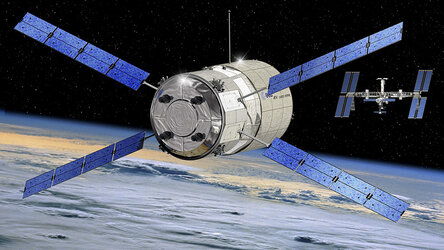
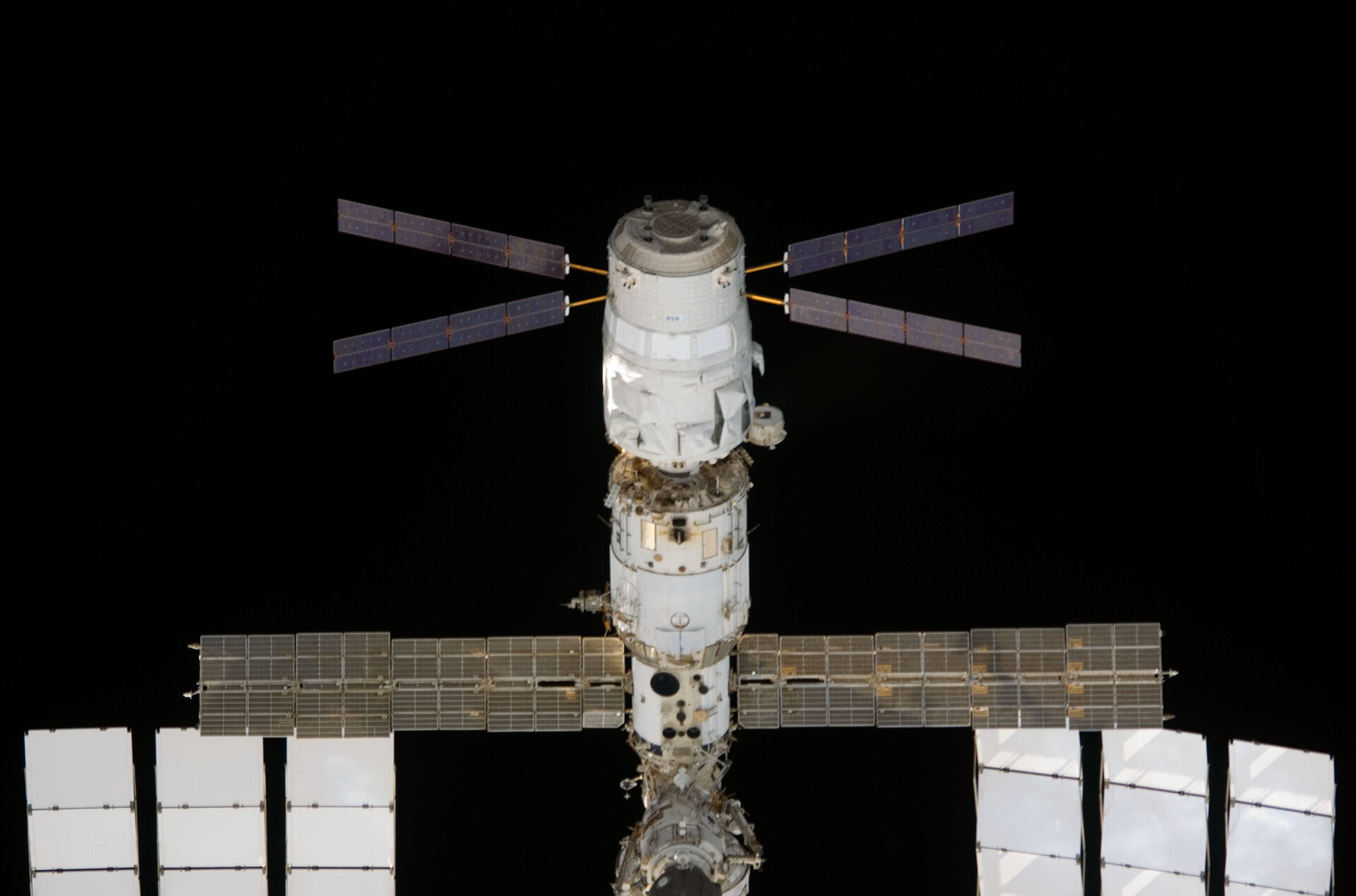
The Automated Transfer Vehicle, 20 tonnes and the size of a London double-decker bus, is the largest spacecraft ever built in Europe. The unmanned vehicle will be used to ferry cargo to the International Space Station and to raise its orbit.
The first flight model, 'Jules Verne', due to be launched next year, is currently undergoing final integration and space environmental tests at ESA's test facilities in Noordwijk, the Netherlands.
Jules Verne's crucial navigation systems are simultaneously being qualified at an exceptional test centre in France. The facility 100 km west of Paris, the only one of its kind in the world, belongs to the country's defence procurement agency, DGA.
The ATV programme has been validating the rendezvous and docking technologies and software, crucial given the human safety requirements. Each test was conducted with rigorous safety measures. Each phase of the test was conducted with realistic conditions. The tests constituted a fully representative replication of the final approach, guiding the ATV to its docking port on the platform with a millimetric precision.
Each approach was conducted in steps, in real-time, over several hours with the mobile platform advancing at an extremely slow pace. For the engineers and privileged visitors, these robotic tests had a magical, almost human aspect.