History of infrared astronomy
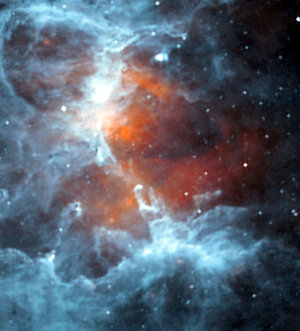
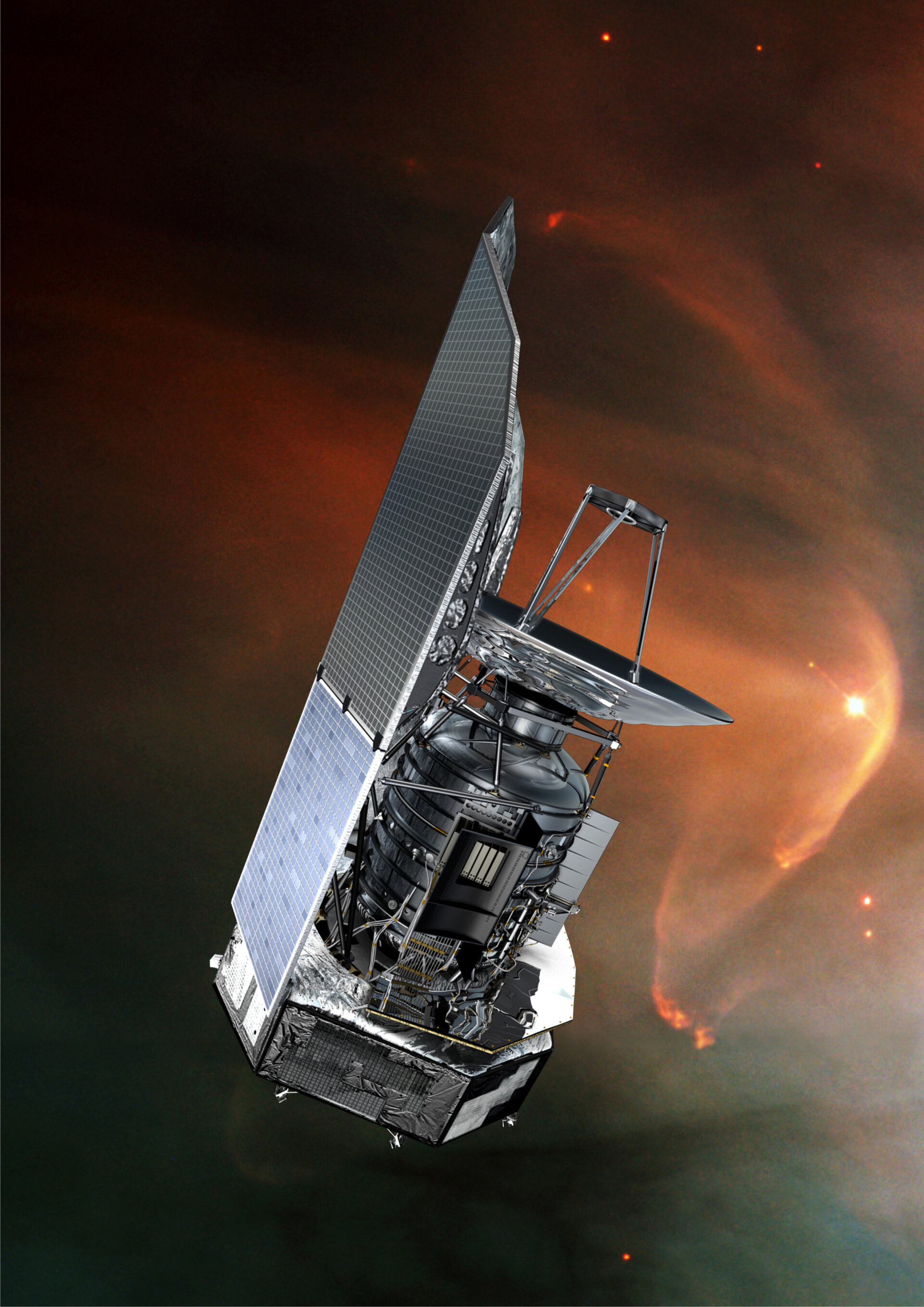
ESA's space-based infrared observatory Herschel was conceived to build on previous successes with a substantially larger telescope and extended spectral coverage.
Europe pioneered the tradition of infrared space astronomy, beginning with the Infrared Astronomical Satellite (IRAS) in 1983. This joint venture between the Netherlands, United Kingdom and USA worked for 10 months and produced the first maps of the entire sky at four infrared wavelengths.
The huge success of IRAS paved the way for ESA's Infrared Space Observatory (ISO). Launched in 1995, it was the world’s first general-purpose infrared space observatory, which operated until 1998.

NASA's Spitzer Space Telescope concluded its 16+ year mission in 2020. This was a general-purpose infrared observatory with a slightly bigger telescope than ISO.
Herschel took not just the next step, but in fact a giant leap forward in infrared technology. With its significantly larger telescope, more than four times larger than that of any previous infrared space telescope, it was able to see much more detail.
Herschel also bridged the gap between the wavelengths seen by previous infrared satellites and those studied by radio telescopes on ground. In so doing, it discovered a large number of unknown objects both within and beyond our Galaxy.
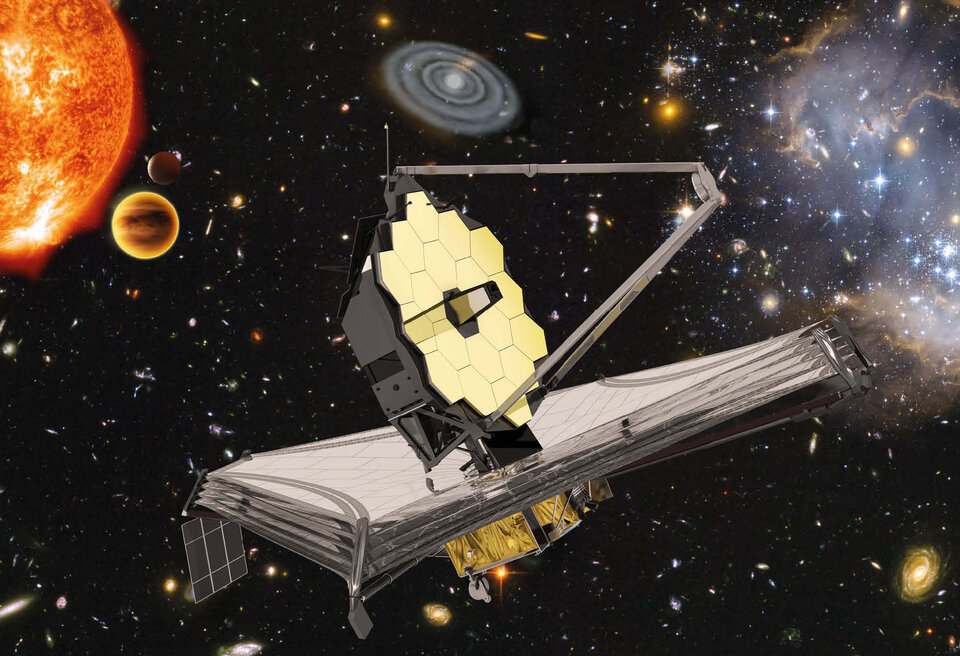
Infrared astronomy can only become increasingly important to astronomers. ESA is currently collaborating with NASA and CSA on the James Webb Space Telescope, an infrared space telescope designed to look into the very furthest reaches of space, where visible light is stretched into infrared wavelengths because of its vast journey across space and time.
This telescope was launched from Europe's Spaceport in French Guiana on 25 December 2021.