ESAVenus ExpressESA Science
   
Europe goes to Venus
About Venus Express
About Venus
Meet the team
Multimedia
Venus Express imagesVenus Express videosVideoTalk3D Flash 'model'Build a model (pdf)AnimationsWallpapersScreensavers
Services
Comments


News
 
printer friendly page
Venus Express
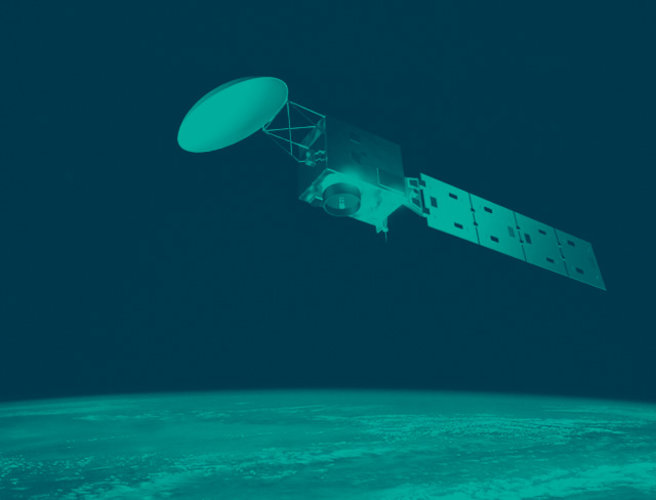
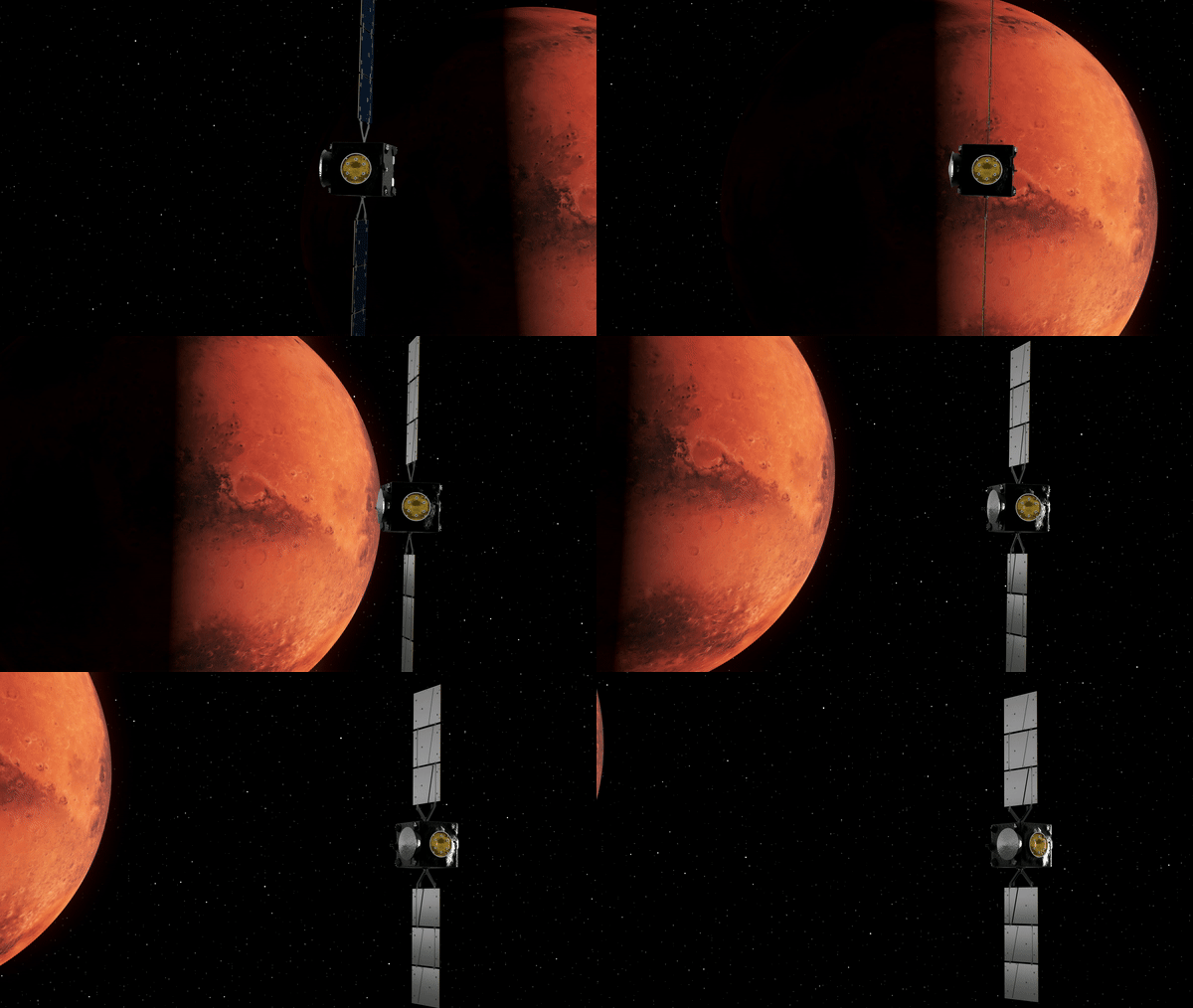
Artist's impression of Venus Express
Closing in on Venus
 
17 July 2008
Starting this week, spacecraft controllers have been executing a series of manoeuvres to gradually bring Venus Express closer to its host planet. In its modified orbit, the spacecraft will be able to observe unexplored regions and investigate phenomena that were not within its reach before.
 
The operational manoeuvres to bring the spacecraft closer will be executed through the month of July, settling it into its new orbit by 4 August.

Until now, Venus Express has occupied a highly eccentric polar orbit: at its closest point (pericentre), the spacecraft is between 250 km and 400 km from the planet, and at its farthest (apocentre), it is about 66 000 km away. The pericentre is located at 84° north.  
 
This eccentric orbit was designed to facilitate observation of the southern hemisphere for extended periods, and of the northern hemisphere and the northern polar region at closer distances.

The altitude of the pericentre will now be lowered to between 185 and 300 km. This modification will enable the following science advantages:

  • Study of the magnetic field in the northern polar region

  • Study of the plasma environment deeper in the ionosphere

  • To indirectly deduce the density of the planet’s atmosphere by measuring the force, or drag, exerted by the planet’s atmosphere on the body of the spacecraft as it moves closer to the planet

The lowering of the Venus Express orbit is the first step in a more ambitious strategy, yet to be confirmed in its entirety. The intention is to lower the spacecraft's orbit further into the atmosphere, such that the drag on the spacecraft's body can be measured by the on-board accelerometers.
 
 
As the next step, Venus Express may test aerobraking, a technique where a spacecraft uses the force exerted by the planet’s atmosphere to decelerate and so significantly change its orbit in a controlled manner.
 
 
For more information:
 
Håkan Svedhem, ESA Venus Express Project Scientist
Email: Håkan.Svedhem @ esa.int

Octavio Camino, ESA Venus Express Spacecraft Operations Manager
Email: Octavio.Camino @ esa.int


Looking at VenusArtist's impression of Venus Express orbiting Venus
ESApod: Venus Express
Related articles
New details on venusian clouds revealedKey molecule discovered in Venus’s atmosphereTwo years of spying on Earth’s twin planetVenus Express reboots the search for active volcanoes on VenusThe puzzling 'eye of a hurricane' on VenusMars and Venus are surprisingly similarThe light and dark of VenusVenus Express seeks out gases below the cloudsChristmas greetings from Venus – with a new educational film
In depth
This article in depthVenus Express in depth


   Copyright 2000 - 2009 © European Space Agency. All rights reserved.