

Volunteers wanted for simulated 520-day Mars mission
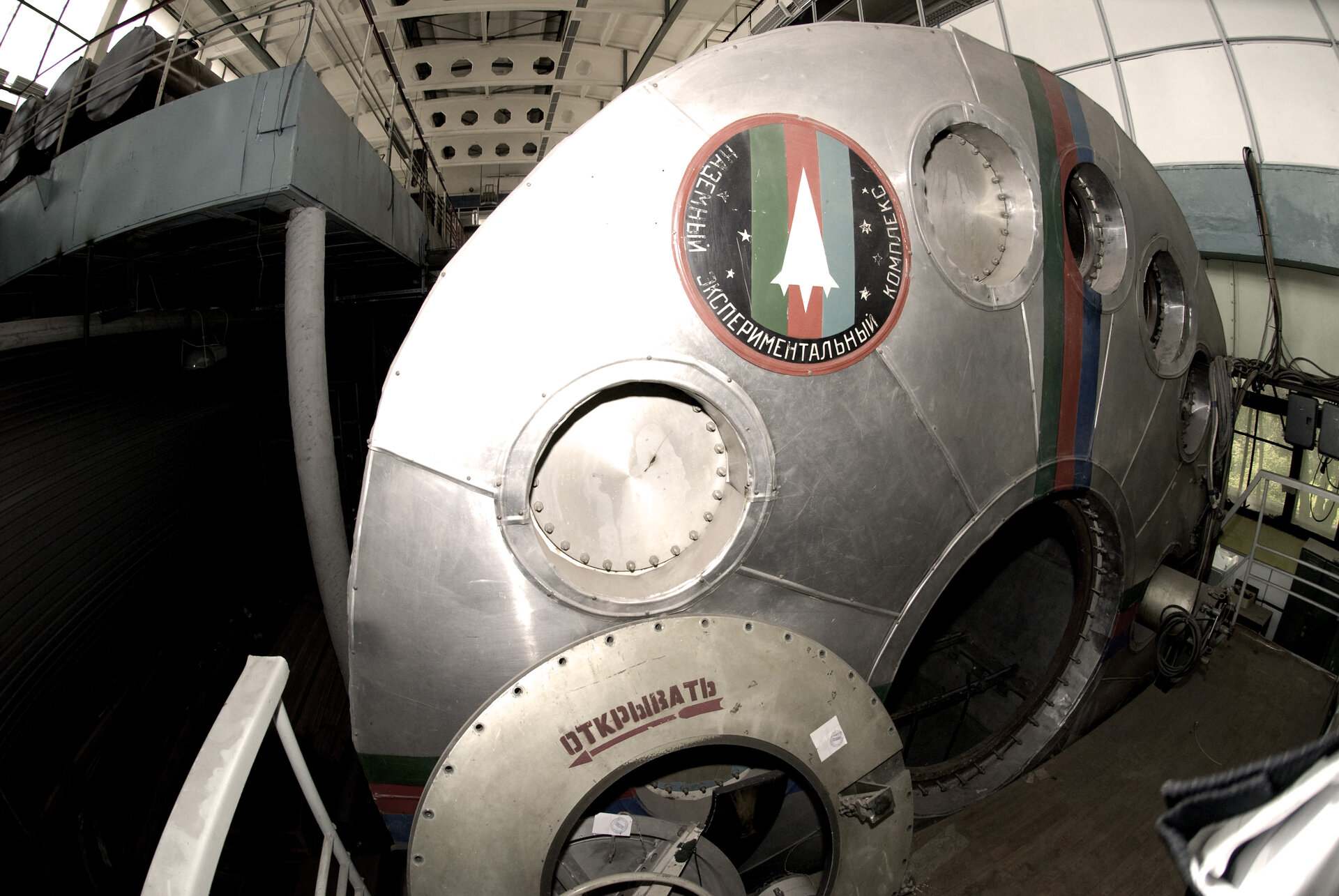
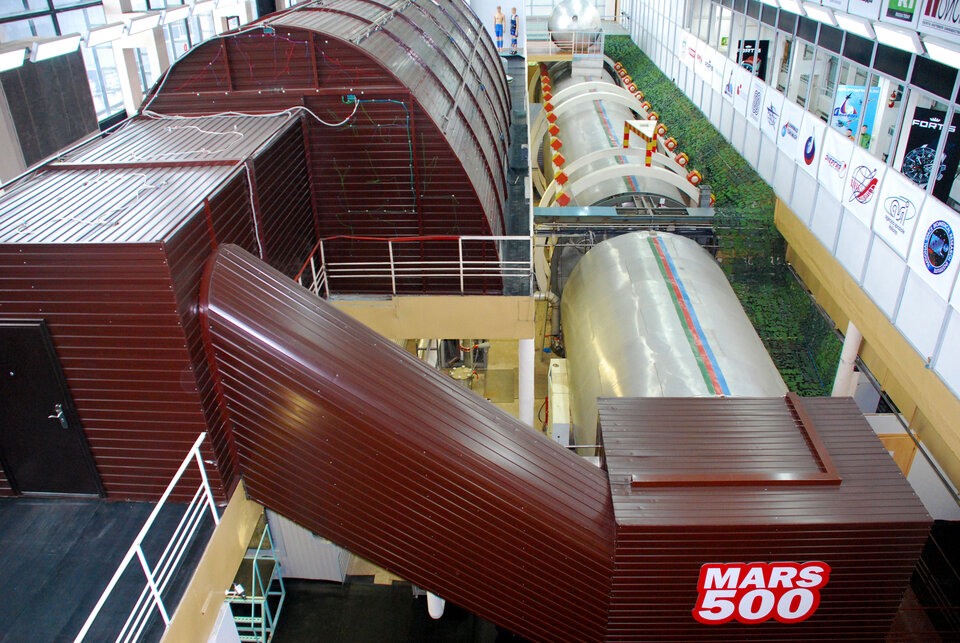
Starting in 2010, an international crew of six will simulate a 520-day round-trip to Mars, including a 30-day stay on the martian surface. In reality, they will live and work in a sealed facility in Moscow, Russia, to investigate the psychological and medical aspects of a long-duration space mission. ESA is looking for European volunteers to take part.
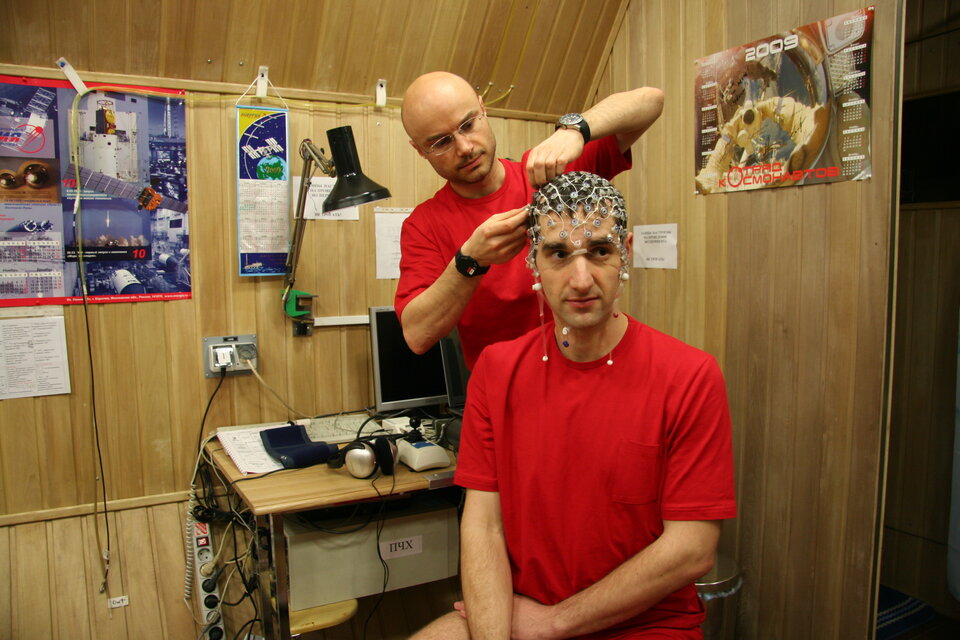
The ‘mission’ is part of the Mars500 programme being conducted by ESA and Russia’s Institute of Biomedical Problems (IBMP) to study human psychological, medical and physical capabilities and limitations in space through fundamental and operational research. ESA’s Directorate of Human Spaceflight is undertaking Mars500 as part of its European Programme for Life and Physical Sciences (ELIPS) to prepare for future human missions to the Moon and Mars.

Following on from the successful 105-day precursor study completed in July, ESA is now looking for two candidates and two backups for the full 520-day study, which is due to get underway before mid-2010 after four months of training.
The crew will follow a programme designed to simulate a 250-day journey to Mars, a 30-day surface exploration phase and 240 days travelling back to Earth. For the ‘surface exploration’, half of the crew will move to the facility’s martian simulation module and the hatch to the rest of the facility will be closed.
Candidates should be aged 20–50, motivated, in good health and no taller than 185 cm. They should speak one of the working languages: English and Russian. Candidates must have a background and work experience in medicine, biology, life support systems engineering, computer engineering, electronic engineering or mechanical engineering.
Selection will be based on education, professional experience, medical fitness and social habits. Following an initial assessment, potential candidates will have to submit results from medical tests and will then be invited for interview, to be screened in a process similar to that used in astronaut selection.
The candidates’ nationality and residence is restricted to ESA Member States participating in ELIPS (Austria, Belgium, Switzerland, Czech Republic, Germany, Denmark, Spain, France, Greece, Italy, Ireland, Norway, The Netherlands, Sweden and Canada).
The Call for Candidates and related documents are available on: http://www.esa.int/callmars500. Completed and signed application forms should be sent to Mars500@esa.int. The deadline for applications is 5 November 2009.


