Herschel se prepara para observar la nebulosa de Orión
El observatorio Herschel de la ESA vuelve a estar plenamente operativo tras la reactivación del instrumento HiFi. HiFi permaneció desconectado durante 160 días mientras los ingenieros investigaban un problema inesperado en su sistema electrónico. Una vez solucionado, Herschel continúa su estudio de los planetas y de las estrellas en formación.
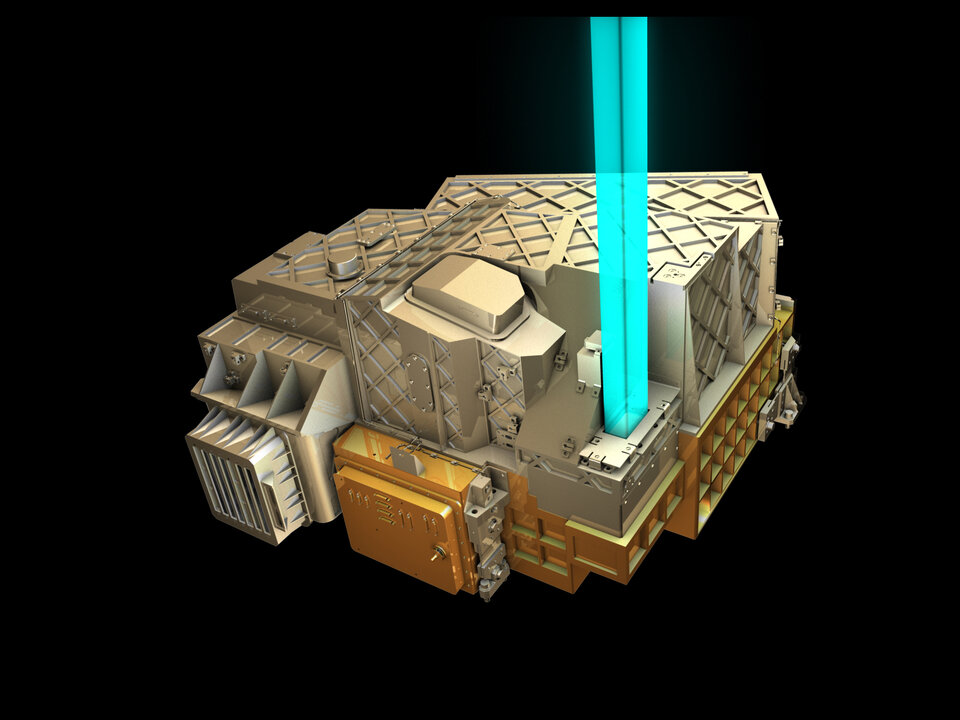
HiFi, el Instrumento Heterodino para el Infrarrojo Lejano, fue diseñado específicamente para detectar la presencia de agua en diferentes cuerpos celestes. Su primera observación, realizada el 22 de Junio de 2009, demostró que estaba funcionando mejor que lo previsto en sus especificaciones de diseño. Sin embargo, el 3 de Agosto de 2009 se detectó una anomalía y el equipo responsable del instrumento y la ESA tuvieron que decidir qué acciones tomar para solucionarlo.
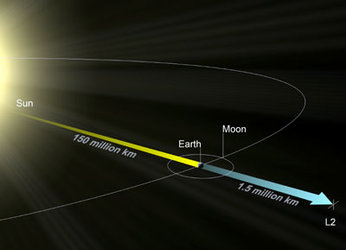
Herschel se encuentra a unos 1.5 millones de kilómetros de la Tierra, en dirección opuesta al Sol, demasiado lejos para que lo visiten los astronautas. “En el caso de Herschel no podemos simplemente ir a ver qué pasa y arreglarlo, tenemos que cuidarlo hasta que se recupere”, explica David Southwood, Director de Ciencia y Exploración Robótica de la ESA. Estos cuidados consistieron en 160 días de gran esfuerzo y concentración por parte de un equipo de ingenieros expertos.
En primer lugar, se decidió apagar el instrumento y comenzar una investigación ‘forense’ para descubrir qué había causado el problema. En Diciembre se descubrió que un componente electrónico conocido como la Unidad de Control del Oscilador Local (LCU) había sido dañada por una subida de tensión inesperada, posiblemente causada por la interferencia de un rayo cósmico con un ordenador de abordo.
Afortunadamente, los principales objetivos de HiFi se encontraban fuera del campo de observación durante la investigación. Esto se debe a que Herschel observa diferentes regiones del Universo a lo largo del año, a medida que orbita en torno al Sol. “Sabíamos que nuestros objetivos principales entrarían en el campo de visión a partir de finales de Enero, por lo que los equipos decidieron no acelerar innecesariamente el proceso de rescate”, añade el Prof. Southwood.
A continuación, una vez identificado el problema, se escribió un nuevo código para evitar que otro evento similar causase una nueva subida de tensión, y se procedió al meticuloso proceso de reactivación utilizando el LCU de reserva de Herschel. Finalmente, el instrumento está de nuevo plenamente operativo.
“Gracias a la reprogramación de los objetivos de observación, no se perderán datos científicos”, explica el Prof. Southwood. Mientras HiFi estaba apagado, los controladores de la misión han usado los otros dos instrumentos, PACS y SPIRE, a pleno rendimiento.
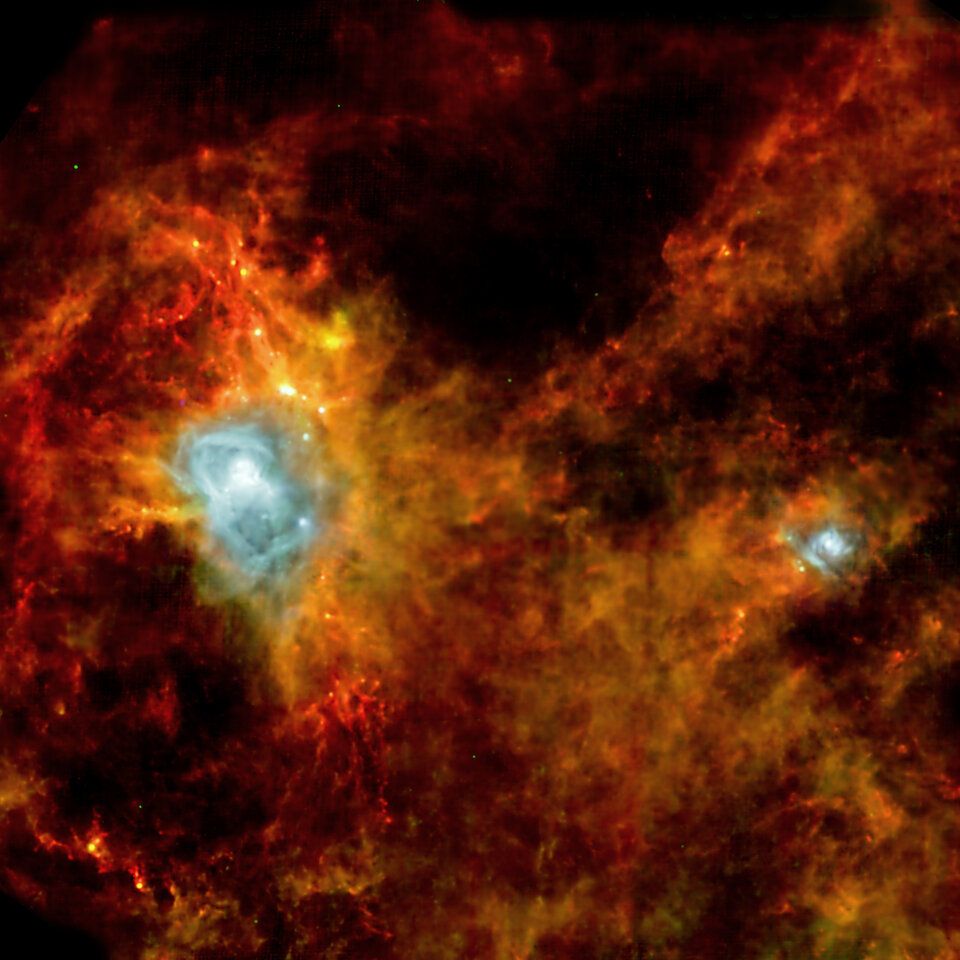
Ahora es el momento de obtener resultados. En los próximos meses HiFi se utilizará de forma intensiva para estudiar las regiones de nuestra Galaxia donde se están formando nuevas estrellas. En particular, la cercana Nebulosa de Orión, una gran región de formación de estrellas, entrará en el campo de visión del instrumento hacia finales de este mes. HiFi fue diseñado específicamente para investigar el papel que juega el agua en la formación de las estrellas y de los planetas, así como en la evolución de las galaxias.
“Es estupendo que HiFi vuelva a estar operativo, Herschel vuelve a estar completo”, comenta Göran Pilbratt, Científico del Proyecto Herschel.