Huygens Scientific Archive data set released
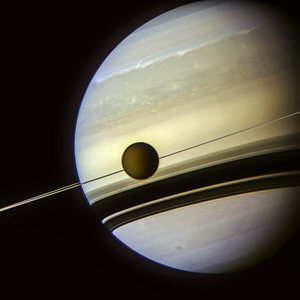
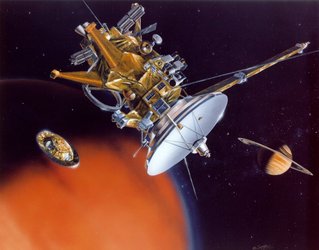
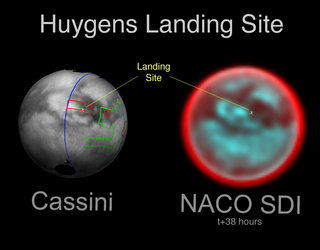
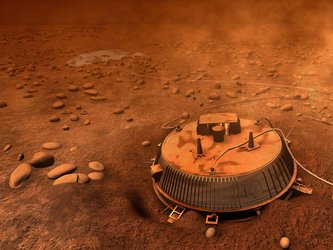
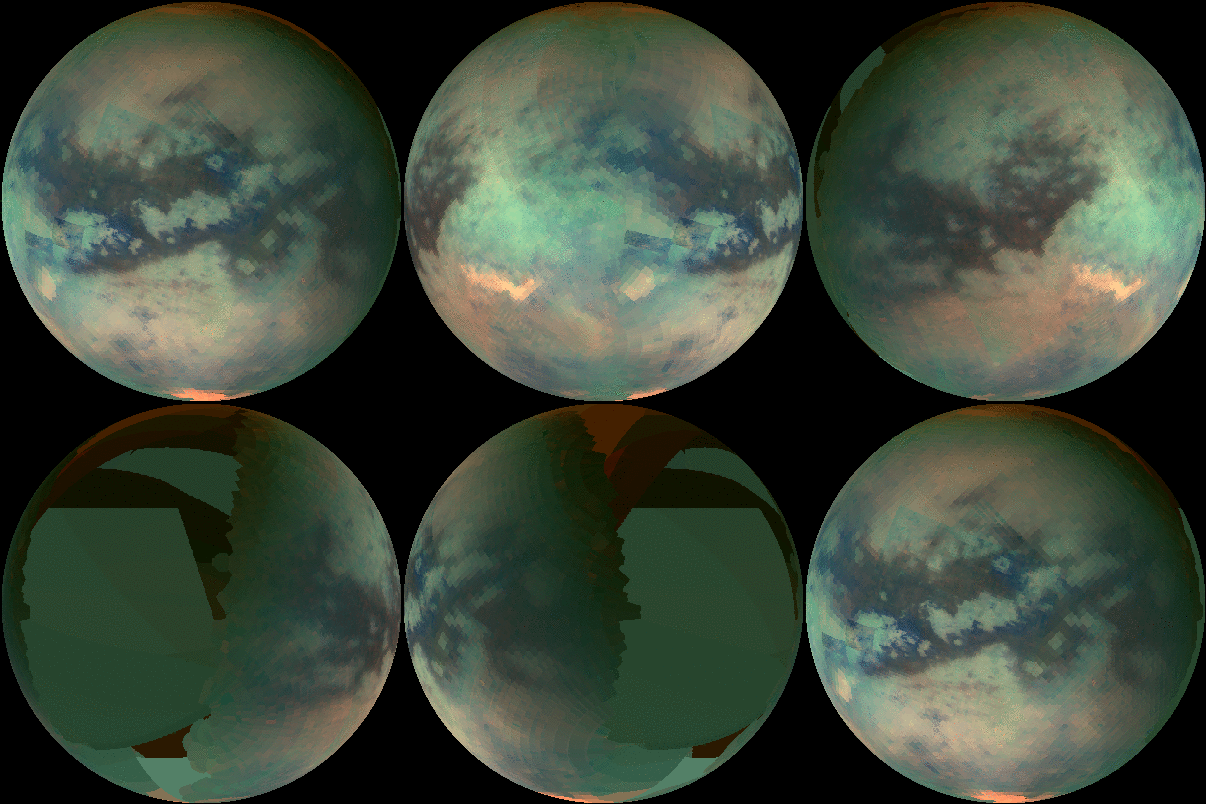
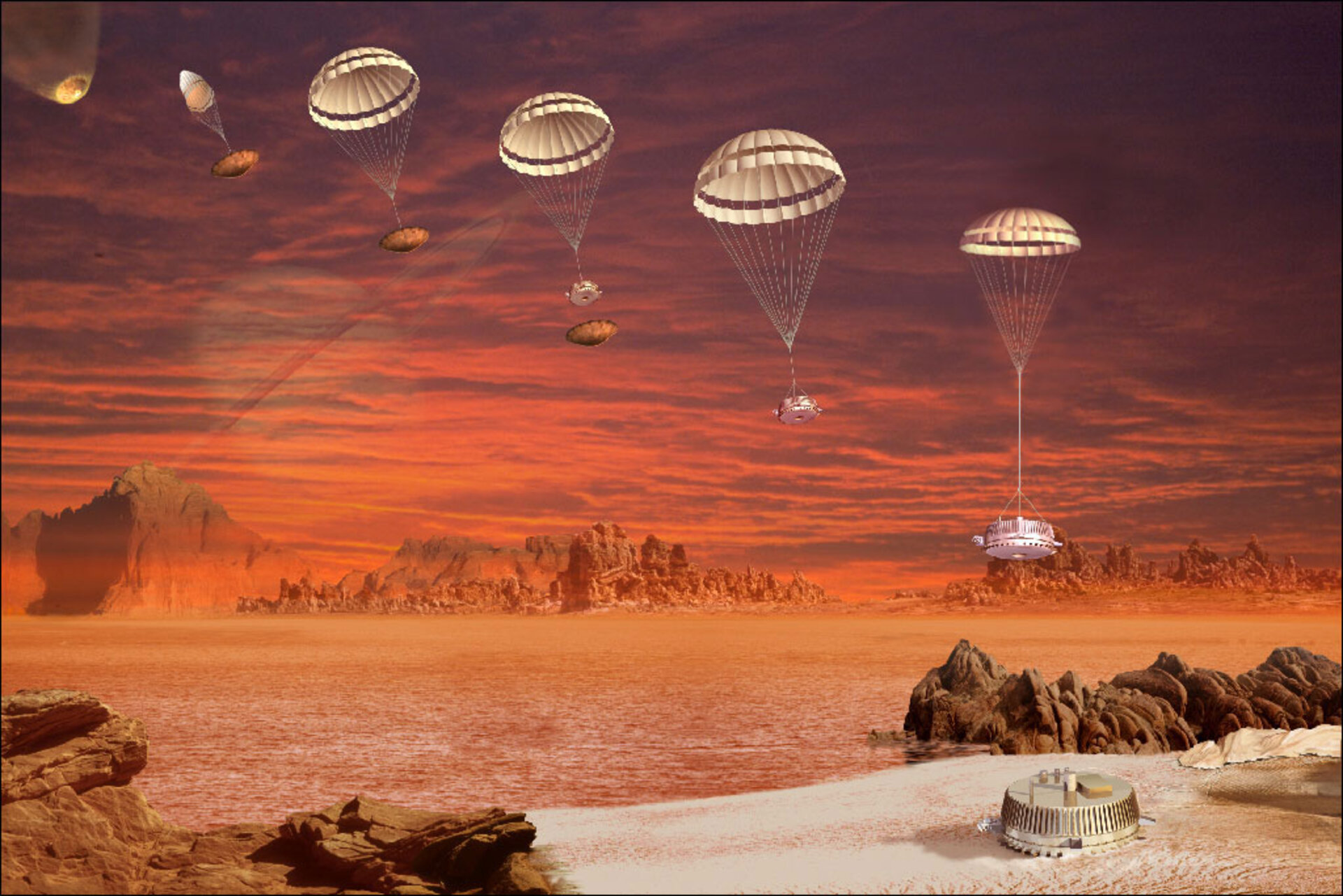
ESA’s Huygens probe successfully descended through the atmosphere of Titan, Saturn’s largest moon, and safely landed on its surface on 14 January 2005. An extraordinary new world has been unveiled. The unique data obtained by the six Huygens experiments are now being archived in the ESA Planetary Science Archive (PSA). A copy of the archived data set is also available in the NASA Planetary Data System (PDS).
Access to the Huygens archive is open from today to the wide scientific community. "The release of the Huygens scientific data archive represents a major milestone in the Huygens mission" says Jean-Pierre Lebreton, Huygens Project Scientist. The data sets include not only the data, but also calibration information and documentation necessary to understand and process the products, and to carry out scientific analyses. The full archive containing all data available to the scientists is also open to the public for download.
"This achievement is the result of a major effort performed during the last three years by all the Huygens teams, scientists and engineers, from Europe and the United States." outlines Olivier Witasse, ESA planetary scientist.
It is possible to retrieve data from the following instruments: ACP (Aerosol Collector and Pyrolyser), GCMS (Gas Chromatograph and Mass Spectrometer), DWE (Doppler Wind Experiment) and HASI (Huygens Atmospheric Structure Instrument). Engineering data are also available.
Data from the DISR (Descent Imager Spectral Radiometer) and SSP (Surface Science Package) experiments, together with the official Huygens entry and descent trajectory are expected to be released in the September-October timeframe.
"We look forward to any feedback related to these high-quality data" says Lyle Huber, from the NASA PDS Atmospheres Node.
Any questions and feedback related to the use of the Huygens archive data set should be sent to psahelp @ rssd.esa.int .
For more information:
Jean-Pierre Lebreton, Huygens Project Scientist
Email: Jean-Pierre.Lebreton @ esa.int
Reta Beebe, PDS Atmospheres Node
Email: rbeebe @ nmsu.edu
Lyle Huber, PDS Atmospheres Node
Email: lhuber @ nmsu.edu
Olivier Witasse, ESA Planetary Scientist
Email: Olivier.Witasse @ esa.int
Joe Zender, ESA Planetary Science Archive manager
Email: Joe.Zender @ esa.int