L'ESA lancia GOCE, la prima missione Earth Explorer
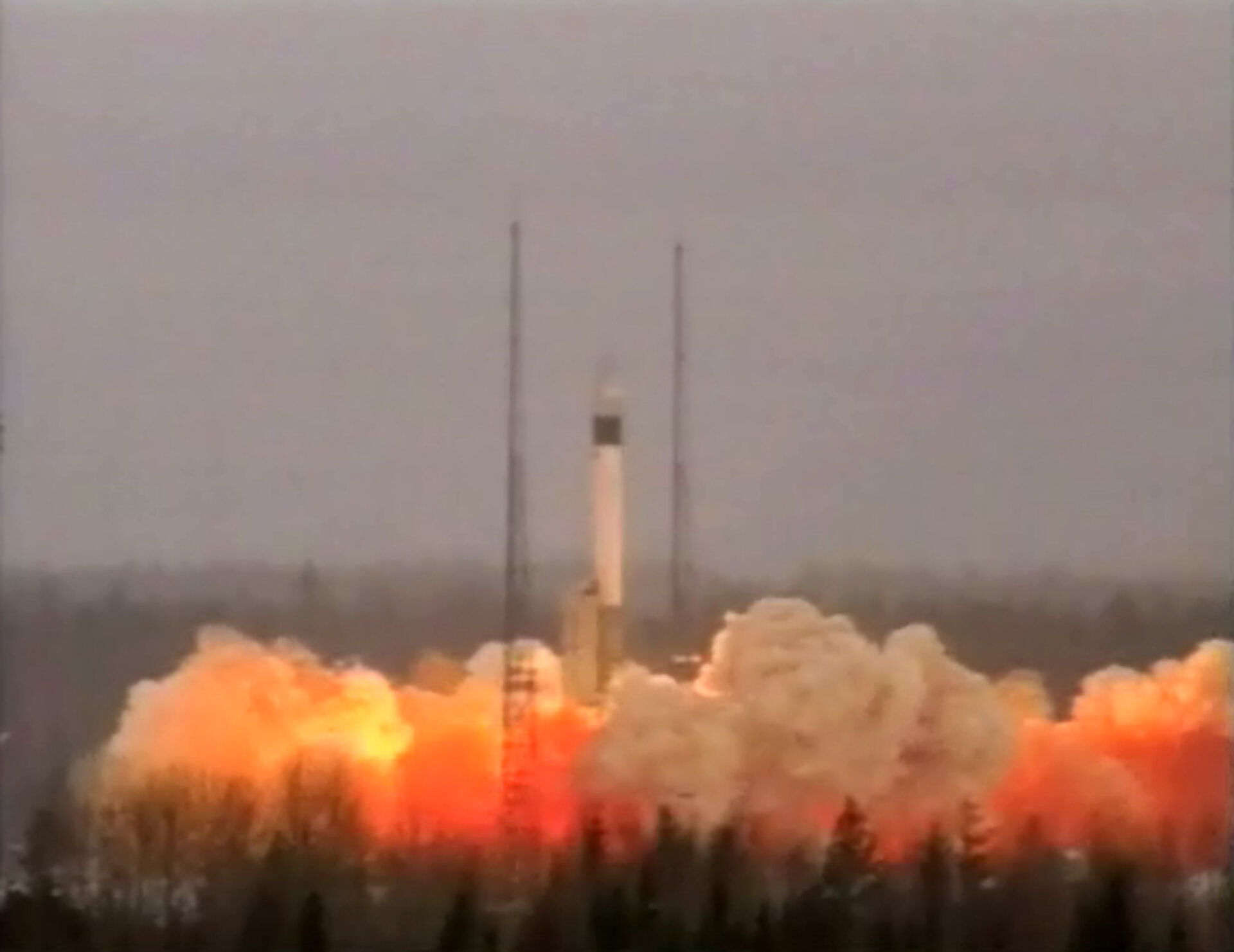
ESA PR 06-2009. Questo pomeriggio, il satellite Gravity field and steady-state Ocean Circulation Explorer (GOCE) sviluppato dall'Agenzia Spaziale Europea (ESA) è stato lanciato in orbita terrestre bassa, quasi eliosincrona, da un razzo Rockot decollato dal cosmodromo di Plesetsk nella Russia settentrionale.
Questo lancio dà inizio a un nuovo capitolo nella storia dell'osservazione della Terra in Europa. Il GOCE è il primo di una nuova famiglia di satelliti dell'ESA concepiti per studiare il nostro pianeta e il suo ambiente allo scopo di approfondire le nostre conoscenze e di migliorare la nostra comprensione dei processi del sistema terrestre e della loro evoluzione, per consentirci di rispondere alle sfide del cambiamento climatico globale. In particolare, il GOCE misurerà le minute differenze presenti nel campo gravitazionale del globo terrestre.
Il lanciatore russo Rockot, derivato da un missile balistico convertito, è decollato alle 15:21 CET (14:21 GMT) e si è diretto a nord sorvolando l'Artico. Circa 90 minuti più tardi, dopo una rivoluzione orbitale e dopo il distacco dei due stadi superiori Breeze-KM, la navicella spaziale da 1052 kg è stata rilasciata con successo in un'orbita circolare polare a 280 km di altitudine con un'inclinazione di 96,7º rispetto all'Equatore. Il lancio è stato gestito da Eurockot Launch Services, una società tedesca/russa con sede a Brema, in Germania.
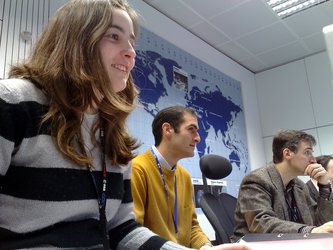
Il contatto con la missione GOCE è stato stabilito per mezzo della stazione dell'ESA di Kiruna, in Svezia, poco dopo il distacco degli stadi. La navicella spaziale ora è sottoposta al controllo da parte dei team dell'ESA in forza allo European Space Operations Centre di Darmstadt, in Germania.
“Il GOCE è il primo satellite scientifico dell'ESA dedicato all'osservazione della terra sin dai tempi dell'Envisat (2002). Le dimensioni sono cambiate, ma la motivazione di fondo rimane identica: fornire i migliori risultati scientifici che è possibile raccogliere con la tecnologia disponibile a tutto vantaggio della comunità scientifica e, in ultima analisi, dei cittadini europei e del mondo intero”, ha dichiarato Jean-Jacques Dordain, Direttore Generale dell'ESA.
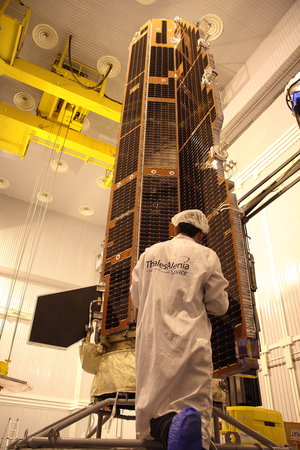
Il GOCE è stato selezionato nel 1999 come prima missione del programma Earth Explorer nel quadro del Living Planet Programme dell'ESA. Il satellite è stato sviluppato da un consorzio di aziende guidato da Thales Alenia Space, con sede a Torino, in Italia. EADS Astrium Space di Friedrichshafen, in Germania, ha fornito la piattaforma. Thales Alenia Space di Cannes, in Francia, ha sviluppato e integrato lo strumento principale usando sensori di altissima precisione sviluppati dall'azienda francese Onera. Un totale di 45 aziende europee hanno contribuito alla realizzazione del satellite.
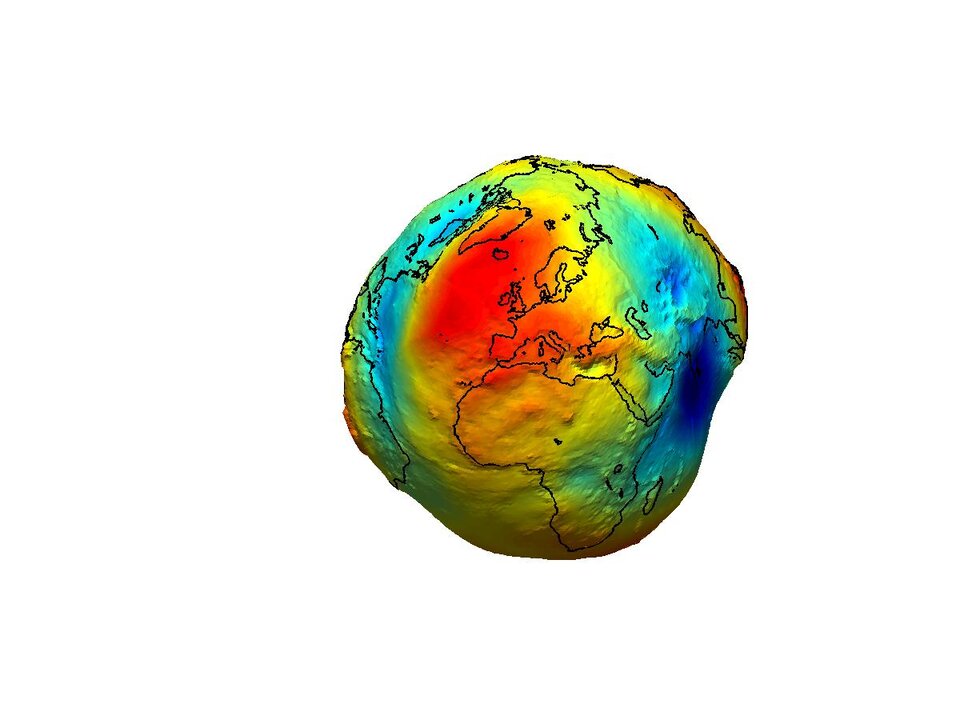
Per 24 mesi, il GOCE raccoglierà dati gravitazionali tridimensionali da ogni parte del globo. I dati raccolti verranno elaborati a terra per produrre la mappa più precisa possibile del campo gravitazionale terrestre e per affinarne il geoide: l'effettiva superficie di riferimento del nostro pianeta. Una precisa conoscenza del geoide, che può essere considerato come la superficie di un ideale oceano globale a riposo, giocherà un ruolo molto importante negli ulteriori studi del nostro pianeta, dei suoi oceani e della sua atmosfera. Questo studio servirà da modello di riferimento per le nostre misurazioni e modellazioni delle variazioni del livello del mare, delle correnti oceaniche e delle dinamiche delle calotte polari.
Un carico unico a bordo di una navicella spaziale davvero unica

Il principale strumento che compone il carico utile è un gradiometro gravitazionale elettrostatico, un elemento all'avanguardia che incorpora sei accelerometri altamente sensibili, montati a coppie lungo i tre assi perpendicolari di una struttura ultrastabile in carbonio-carbonio. La missione misurerà non tanto la gravità in sé stessa, ma le piccolissime differenze di gravità registrate dalle coppie di accelerometri posti a distanza di 50 cm.
I dati raccolti dal GOCE offrono una precisione da 1 a 2 cm nell'altitudine del geoide e di 1 mGal per il rilevamento delle anomalie del campo gravitazionale (le montagne, per esempio, solitamente causano variazioni del campo gravitazionale locale che variano da poche decine a circa un centinaio di milligal). La risoluzione spaziale verrà migliorata, passando dalle diverse centinaia o migliaia di kilometri delle missioni precedenti ai 100 km del GOCE.
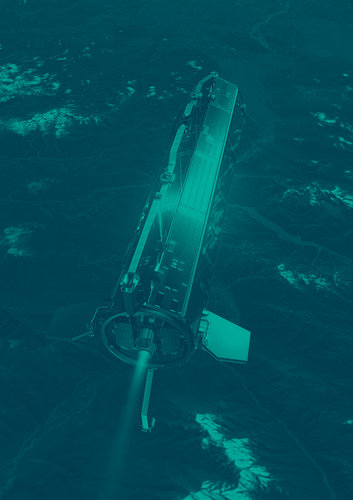
Per ottenere il massimo delle prestazioni dal gradiometro, il GOCE è progettato per fornire un ambiente altamente stabile e indisturbato, a dispetto della sua orbita a bassa altitudine che costringe la navicella spaziale a sopperire alla resistenza leggera ma significativa provocata dagli strati superiori dell'atmosfera. Questa è la ragione principale della forma aerodinamica a punta di freccia di questo satellite di circa 5 metri di lunghezza.
La navicella spaziale incorpora anche due motori ionici allo xeno a bassa potenza, uno principale e uno di riserva, ciascuno in grado di fornire da 1 a 20 milli-Newton di spinta (una forza equivalente a quella fornita dal soffio umano). Questi razzi di spinta verranno usati per effettuare movimenti di compensazione in tempo reale della resistenza atmosferica, sulla base dell'accelerazione media rilevata dai due accelerometri montati lungo l'asse della velocità.
Struttura e progettazione della navicella spaziale sono state inoltre ottimizzate per filtrare ogni tipo di disturbo, usando materiali ultra-stabili per limitare gli effetti dei cicli termici, senza alcuna parte mobile o dispiegabile.
Una missione, molti vantaggi

Nelle prossime sei settimane, i team dell'ESA e dei suoi partner industriali controlleranno e faranno entrare in servizio il GOCE. La navicella spaziale verrà quindi trasferita alla sua orbita operativa ad un'altitudine di 263 km e il suo carico verrà sottoposto a ulteriori sei settimane di messa in funzione e calibrazione. L'inizio delle attività operative della missione è programmato per l'estate del 2009.
La mappatura del campo gravitazionale della Terra con la straordinaria precisione consentita dalla missione offrirà vantaggi a tutte le discipline scientifiche che hanno a che fare con la Terra.
Per la geodesia potrà fornire un modello di riferimento unificato mondiale per le misurazioni dell'altitudine, eliminando le incoerenze tra i sistemi di misura delle altezze tra le diverse masse terrestri, paesi e continenti. Questo permetterà una migliore analisi delle variazioni del livello dei fondali marini, che a sua volta consentirà di rivisitare gli oltre due secoli di registrazioni storiche dei livelli del mare raccolte in tutto il globo.
L'oceanografia, potrà ricavare una migliore conoscenza del campo gravitazionale e ridurre in modo significativo le incertezze sulla circolazione delle correnti per quanto concerne i trasferimenti di calore e di massa degli oceani, risultati che si tradurranno in straordinari miglioramenti dei modelli di circolazione globale degli oceani e di previsione del clima. Il GOCE contribuirà inoltre a migliorare la nostra conoscenza del substrato roccioso della calotta polare in Groenlandia e in Antartide. La mappa precisa del geoide permetterà una migliore determinazione dell'orbita per i satelliti che effettuano il monitoraggio della calotta polare e quindi un netto miglioramento nella precisione della misurazione.
Per la geofisica, la combinazione dei risultati del GOCE con i dati relativi a magnetismo, topografia e sismologia consentirà di produrre una mappatura dettagliata in 3D delle variazioni di densità della crosta terrestre e del mantello superiore. Questo costituirà un importante contributo al miglioramento di tutte le modellazioni dei bacini sedimentari, faglie, movimenti tettonici e variazioni verticali marine/terrestri, migliorando la nostra comprensione dei processi responsabili dei pericoli naturali.
Una missione Earth Explorer è partita, altre la seguiranno

“Il successo di questo lancio segna l'inizio della nuova generazione di satelliti geologici europei,” ha dichiarato Volker Liebig, direttore del Programma di Osservazione della Terra dell'ESA. “Si tratta del primo di una nuova generazione di piccoli satelliti scientifici dedicati e aprirà la strada ad altre missioni Earth Explorer. Gli scienziati attendono con trepidazione i dati ricavati da queste missioni. Nei prossimi due anni sono previsti altri quattro lanci; questo significa che ci attende un periodo di lavoro molto intenso.”
GOCE è la prima missione Earth Explorer lanciata sotto l'egida del Living Planet Programme dell'ESA, che ha preso il via nel 1999 e che ha il compito di stimolare le ricerche sull'atmosfera, biosfera, idrosfera, criosfera e sul nucleo della Terra, nonché sulla loro reciproca interazione e sull'impatto delle attività antropiche su questi processi naturali. Sono già in corso di sviluppo altre due missioni principali, selezionate per rispondere a tematiche specifiche di grande interesse pubblico: Si tratta di ADM-Aeolus che studierà le dinamiche atmosferiche (2011) e di EarthCARE il cui obiettivo è studiare a fondo l'equilibrio radiativo della Terra (2013). Sono inoltre in corso di preparazione tre missioni Earth Explorer Opportunity: Cryosat 2 che intende misurare lo spessore della calotta polare (2009), SMOS che ha per obiettivo lo studio dell'umidità del suolo e della salinità dell'oceano (2009) e Swarm che vuole analizzare l'evoluzione del campo magnetico (2011).
Per ulteriori informazioni:
Franco Bonacina,
Portavoce dell'ESA e Responsabile del Media Relations Office
Communication and Knowledge Department
Tel: + 33 1 5369 7299
Fax: + 33 1 6369 7690
Indirizzo di e-mail: Franco.Bonacina@esa.int