Die Trägerrakete Rockot
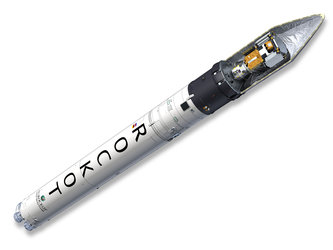
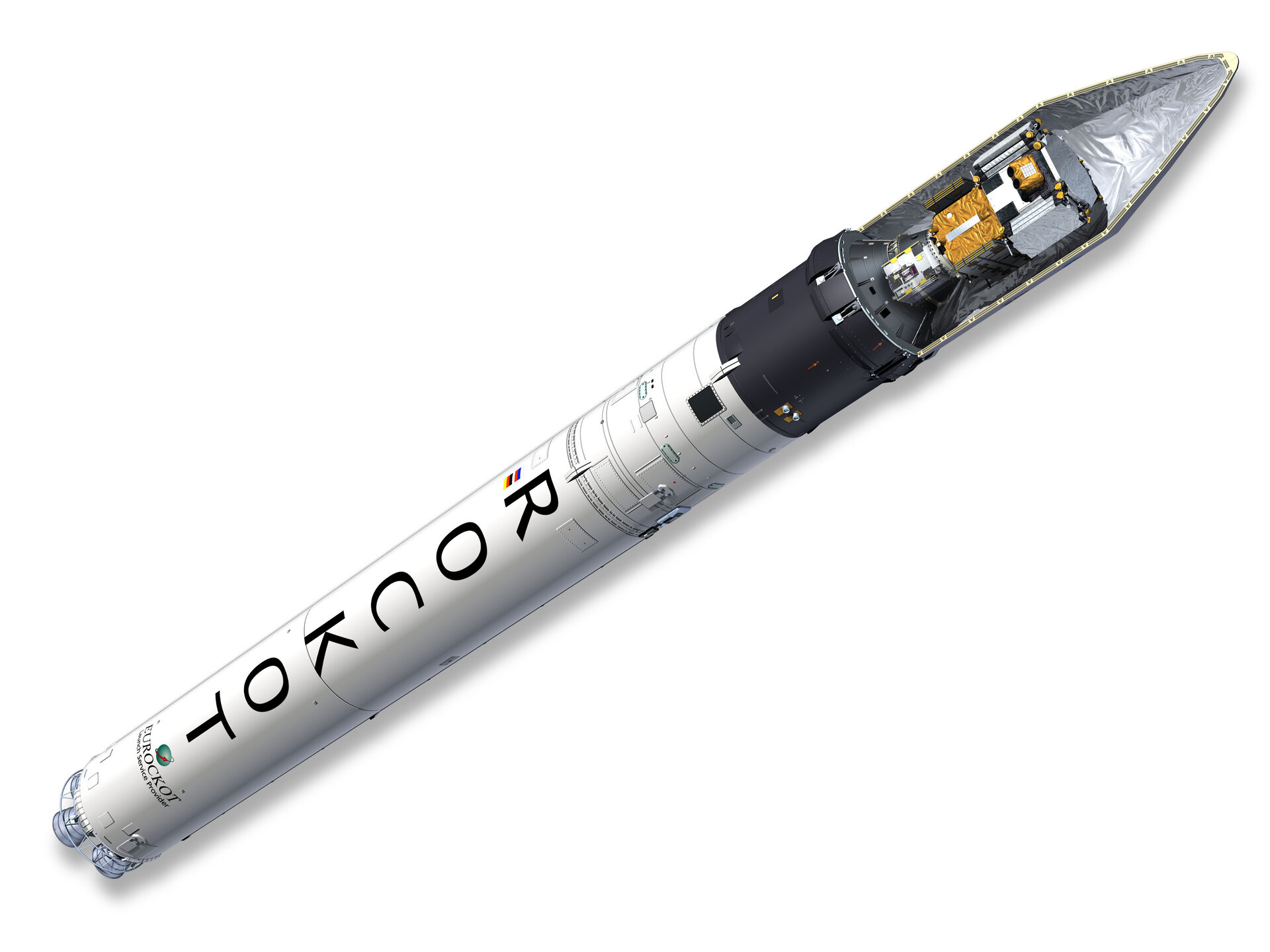
Hinter der dreistufigen Trägerrakete Rockot verbirgt sich die Nutzung der bewährten ersten und zweiten Antriebsstufe der Interkontinentalrakete UR-100NUTTCh (NATO-Bezeichnung SS 19), die mit einer erprobten russischen Oberstufe kombiniert wird. Die Oberstufe ist notwendig, um Satelliten in die gewünschte Umlaufbahn zu bringen. Als Treibstoff verwenden alle Stufen das kostengünstige und gut lagerfähige, jedoch giftige UDMH (unsymmetrisches Dimethylhydrazin) sowie N2O4 (Distickstofftetraoxid) als Oxidationsmittel. Die Rockot ist 29 Meter lang, hat einen maximalen Durchmesser von 2,5 Meter und eine Gesamtmasse von 107 Tonnen.
Leistungsfähige Oberstufe Breeze-KM
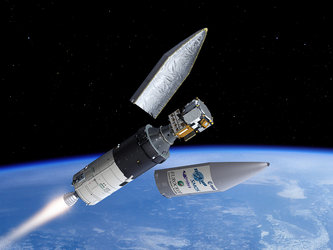
Die hohe Leistungsfähigkeit des Trägersystems von nahezu 2 Tonnen Nutzlast basiert wesentlich auf der Oberstufe Breeze-KM von Chrunitschew, die mit einem mehrfach wiederzündbaren Haupttriebwerk ausgestattet ist. Die genaue Manövrierbarkeit erlaubt Satelliten in unterschiedlichen Umlaufbahnen zu platzieren. Nach erfolgter Satellitentrennung wird die Breeze-KM gezielt zum Wiedereintritt in die Erdatmosphäre manövriert, um dort zu verglühen.
Eurockot: Vermarktung der Konversionsrakete Rockot
Die erfolgreiche Konversion der ehemaligen Interkontinentalrakete SS 19 für die zivile, kommerzielle Nutzung in der Raumfahrt ist ein technisches Kabinettstück. Durch die Erfüllung des START-Abkommens (USA/UdSSR), das die Anzahl der Raketen und Atomsprengköpfe beider Seiten limitierte, ist sie gleichzeitig von hoher politischer Bedeutung und – nicht zuletzt – ein Beispiel von unternehmerischer Risikobereitschaft in der Raumfahrt. 1995 gründeten die damalige DaimlerChrysler Aerospace AG (heute EADS) und das russische Raumfahrtunternehmen Chrunitschew die Eurockot Launch Services GmbH (Eurockot) mit Sitz in Bremen, um Startdienstleistungen mit der Rockot zu vermarkten. Die Grundidee: Das Verschrotten der Interkontinentalraketen kostet Geld, das Verschießen der Raketen mit Satelliten-Nutzlasten könnte hingegen sogar Geld einspielen.
Modernisierung der Startanlage
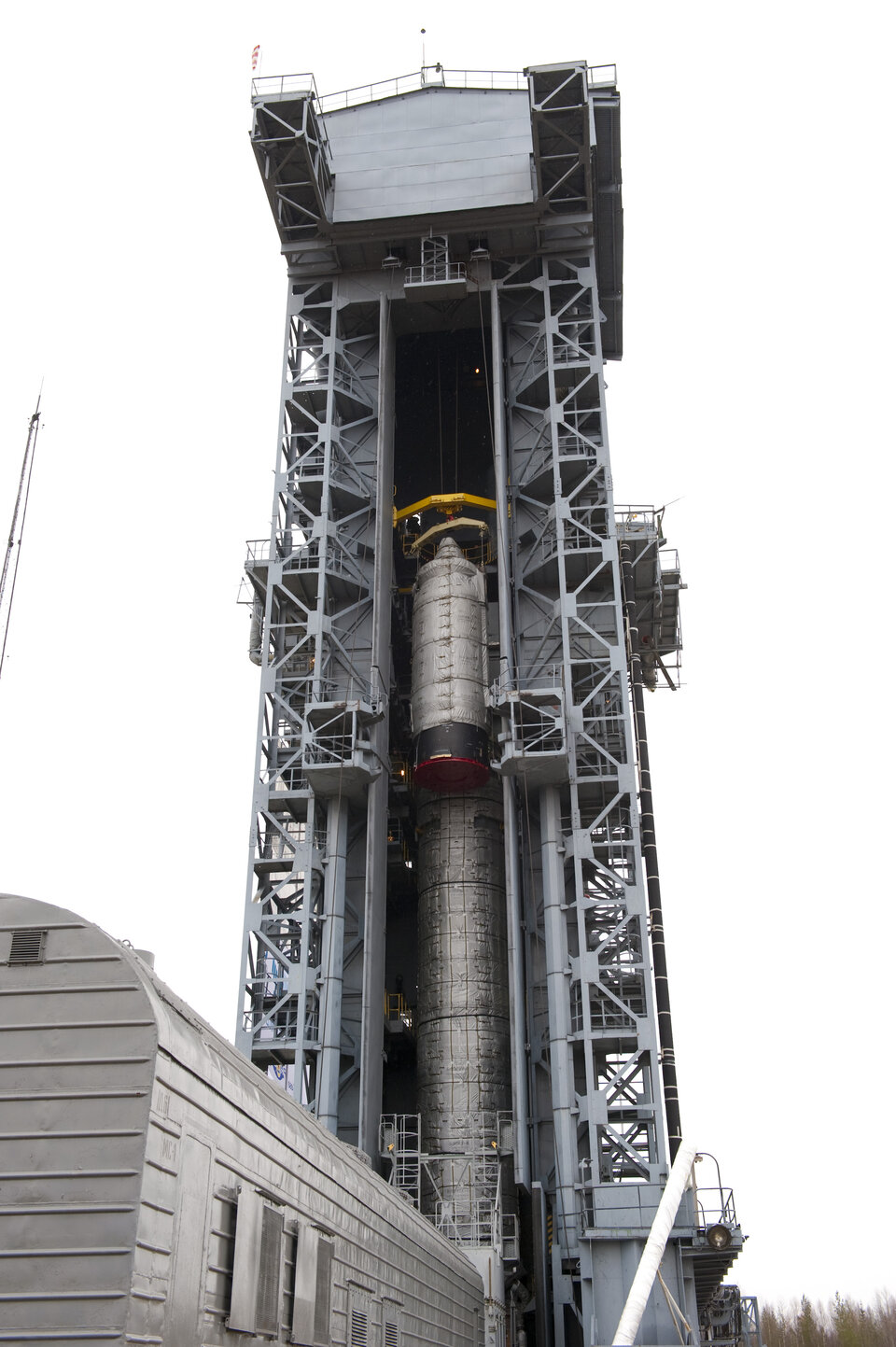
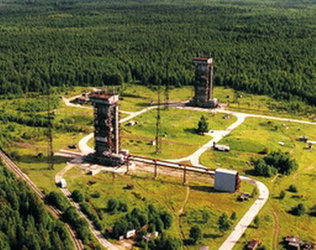
Die Startrampe, die Eurockot für die Nutzung der Rockot-Trägerrakete auf dem Kosmodrom Plessezk erhielt, wurde seit 1967 genutzt – zunächst für Einsätze der Trägerrakete Kosmos 2, später diente sie als Startkomplex für die Kosmos-3M. 1998 setzte ihr Umbau für die Rockot ein. Der erste Demonstrationsflug von der rekonstruierten Startrampe erfolgte am 16. Mai 2000. Zwei Jahre darauf, am 17. März 2002, begann mit dem Bilderbuchstart des deutsch-amerikanischen Satellitenduos Grace die kommerzielle Ära der Konversionsrakete Rockot.
Eurockot hat die Startanlage weiter umgebaut und modernisiert. Sie steht nunmehr ausschließlich für Rockot-Starts zur Verfügung. Die Satelliten-Integrationshalle sowie das Flugkontrollzentrum wurden ebenfalls modernisiert und internationalen Standards angepasst. Für die Unterbringung von Gästen und Kunden wurde eigens ein Hotel in der nahe gelegenen Stadt Mirny errichtet.
Seit 2002 (bis zum 10. Oktober 2009) hat Eurockot insgesamt zehn kommerzielle Rockot-Missionen durchgeführt. Der internationale Kundenkreis umfasst Betreiber von Erdbeobachtungs- und Wissenschaftssatelliten sowie Betreiber von kleineren kommerziellen Konstellationen. Derzeit konzentrieren sich die Marketingaktivitäten von Eurockot auf die USA, Europa (ESA) und Ostasien.
Rockot-Start mit zwei ESA-Satelliten
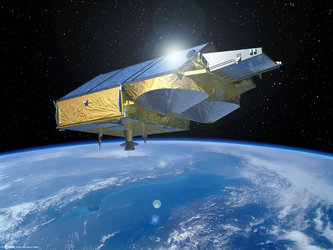
Bei der am 2. November gestarteten Mission wurden gleich zwei ESA-Satelliten in den Erdorbit gebracht. Gemeinsam mit der Hauptnutzlast SMOS gelangte auch der 130 Kilogramm schwere -ESATechnologiesatellit Proba 2 auf eine sonnensynchrone Umlaufbahn in 700 Kilometer Höhe. Zu seinem vielseitigen Aufgabenspektrum gehört unter anderem der Test leichterer Strukturelemente aus Aluminium und Kohlenstofffaserverbundstoffen sowie eines verbesserten Lageregelungssystems, das für die künftige Merkurraumsonde BepiColombo bestimmt ist.