COROT descobre o mais pequeno exoplaneta conhecido, com características semelhantes à da Terra
A missão COROT, liderada pelo CNES com a participação da ESA, descobriu o mais pequeno planeta telúrico alguma vez detectado fora do Sistema Solar. O espantoso planeta tem menos do dobro do tamanho da Terra e orbita uma estrela semelhante ao Sol. A sua temperatura é tão elevada que está, provavelmente, coberto de lava ou vapor de água.
Até agora, foram descobertos cerca de 330 exoplanetas, a maioria dos quais são gigantes gasosos com características semelhantes a Júpiter e Neptuno.
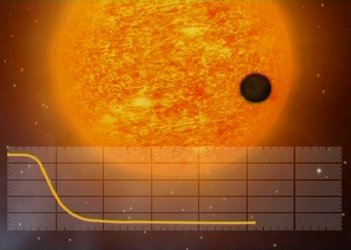
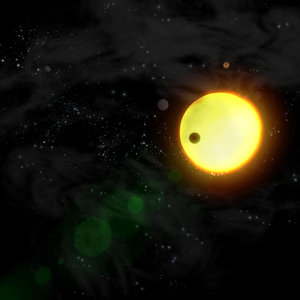
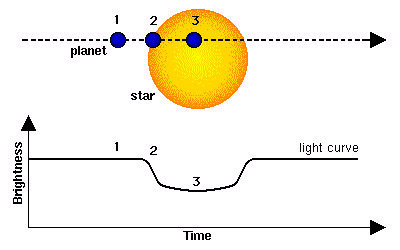
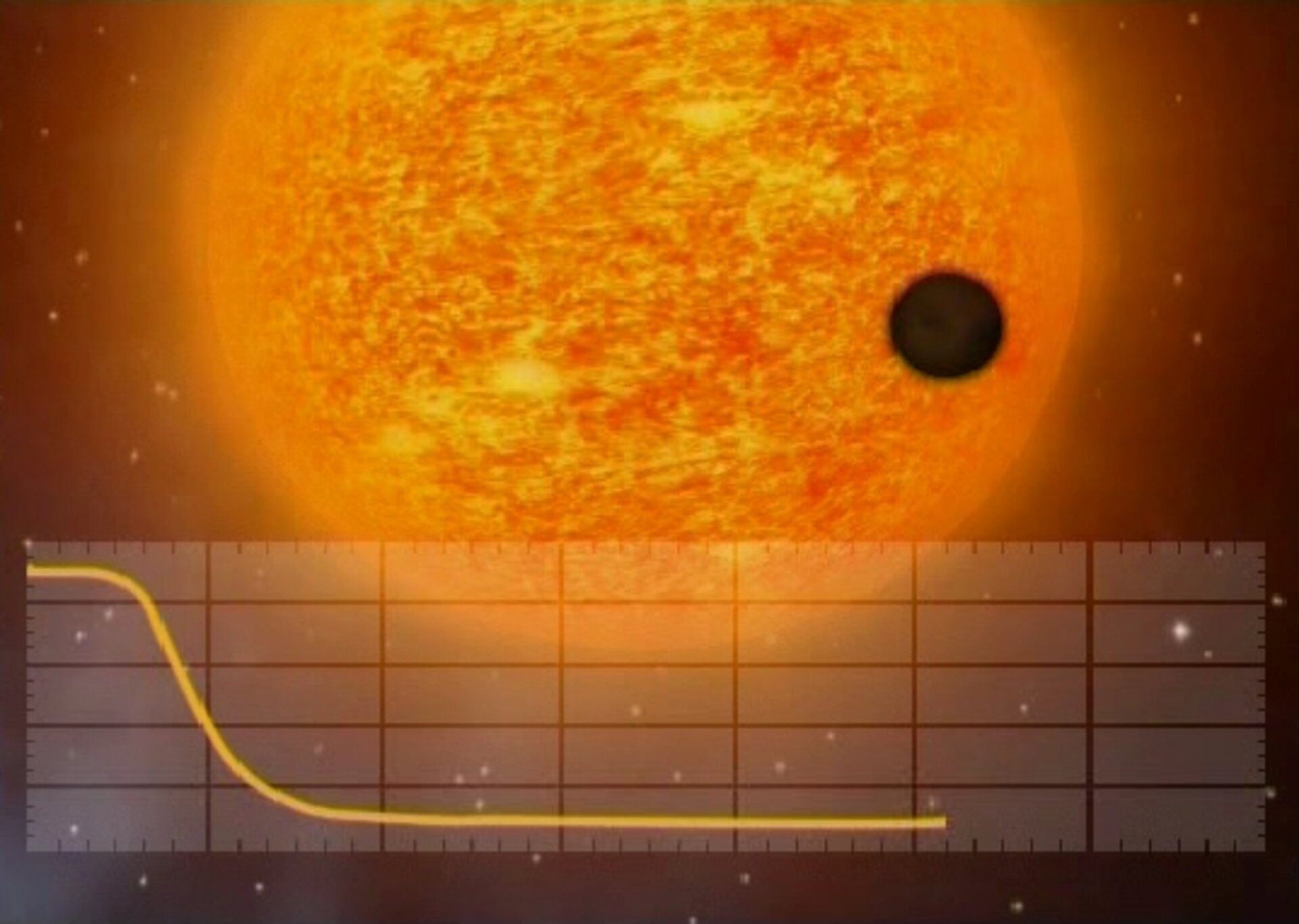
A nova descoberta, chamada COROT-Exo-7b, é diferente: o seu diâmetro tem menos do dobro da Terra e, próximo da sua estrela, completa uma órbita a cada 20 horas. Está localizado muito perto da sua estrela-mãe e tem uma temperatura muito elevada, entre 1000 e 1500°C. Os astrónomos detectaram o novo planeta na sua passagem pela estrela-mãe, obscurecendo a luz da estrela quando passava à sua frente.
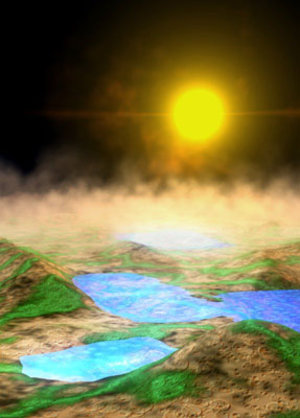
A densidade do planeta está ainda sob investigação: pode ser rochoso como a Terra e coberto por lava líquida. Pode também pertencer a uma classe de planetas que se pensa serem constituídos por água e rocha em quantidades praticamente iguais. Devido às elevadas temperaturas medidas, o planeta será um local muito quente e húmido.
“A descoberta de um planeta tão pequeno não foi uma surpresa total, afirmou Daniel Rouan, investigador do Observatoire de Paris Lesia, que coordena o projecto com Alain Léger, do Institut d'Astrophysique Spatiale (Paris, França). “O COROT-Exo-7b pertence a uma classe de objectos cuja existência já foi prevista há algum tempo. O COROT foi concebido precisamente com o intuito de descobrir alguns destes objectos,” acrescentou.
Muito poucos exoplanetas descobertos até agora possuem uma massa comparável à da Terra e de outros planetas terrestres: Vénus, Marte e Mercúrio. Isto porque os planetas telúricos são extremamente difíceis de detectar. A maior parte dos métodos usados até agora são indirectos e sensíveis à massa do planeta, enquanto que o COROT pode medir directamente o tamanho da sua superfície, o que é uma vantagem. Além disso, a sua localização no espaço permite uma observação ininterrupta mais prolongada do que a partir do solo.
Pela primeira vez, detectámos claramente um planeta que é 'rochoso' da mesma forma que o próprio planeta Terra.
Esta descoberta é significativa porque medições recentes indicavam a existência de planetas com uma massa pequena mas o seu tamanho permanecia indeterminado até agora.
A estrutura interna do COROT-exo-7b intriga particularmente os cientistas; não têm a certeza se é um ‘planeta oceânico’, uma espécie de planeta cuja existência ainda não foi comprovada até agora. Teoricamente, estes planetas estariam no início parcialmente cobertos com gelo e, mais tarde, teriam-se deslocado em direcção à sua estrela, tendo o gelo derretido e ficando cobertos de líquido.
"Esta descoberta é um passo muito importante no sentido de compreender a formação e evolução do nosso planeta," afirmou Malcolm Fridlund, Cientista do Projecto COROT da ESA. “Pela primeira vez, detectámos claramente um planeta que é 'rochoso' da mesma forma que o próprio planeta Terra. Temos agora de saber mais acerca deste objecto de forma a contextualizá-lo e continuar a nossa busca de objectos mais pequenos e mais parecidos com a Terra com o COROT," acrescentou.
Para mais informações:
Daniel Rouan, CNRS senior scientist, Observatoire de Paris Lesia:
Email : daniel.rouan @ obspm.fr
Alain Léger, CNRS senior scientist, IAS
Email: alain.leger@ias.u-psud.fr
Malcolm Fridlund, ESA COROT Project Scientist
Email: Malcolm.Fridlund @ esa.int