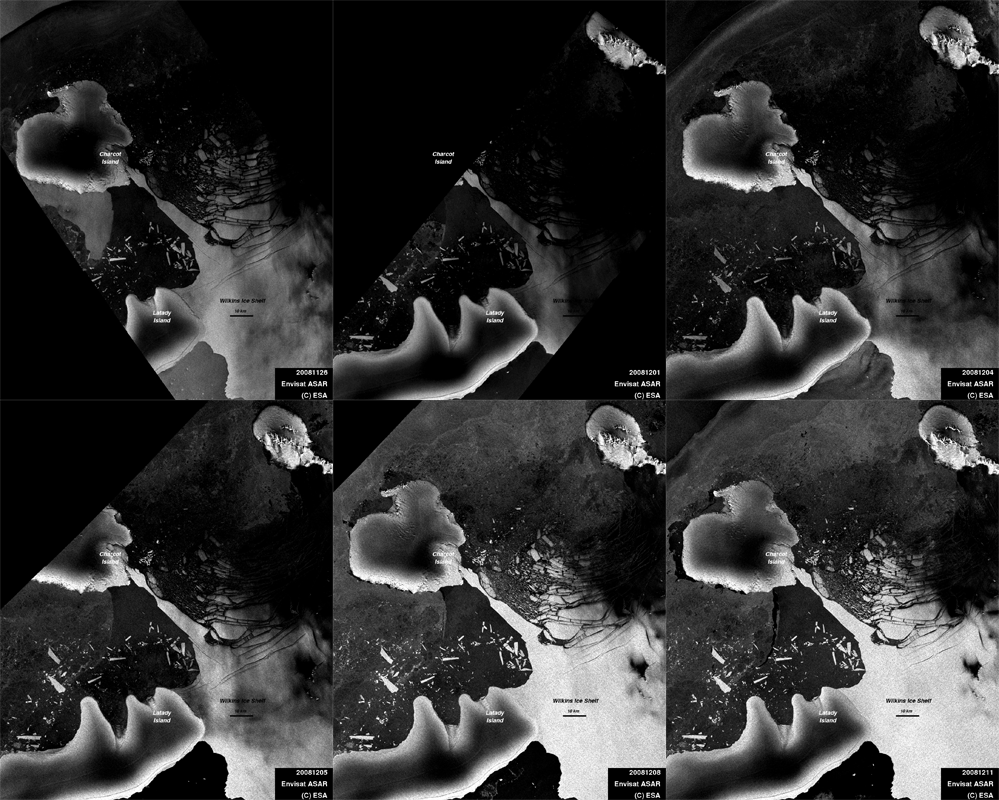
‘Webcam’ from Space – Envisat observing Wilkins Ice Shelf
In light of recent developments that threaten to lead to the break-up of the Wilkins Ice Shelf, ESA is making daily satellite images of the ice shelf available to the public via the 'Webcam' from Space web page in order to monitor the developments as they occur.
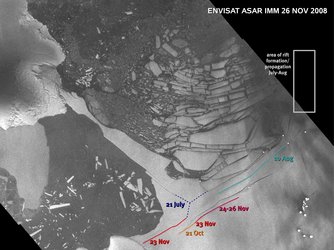
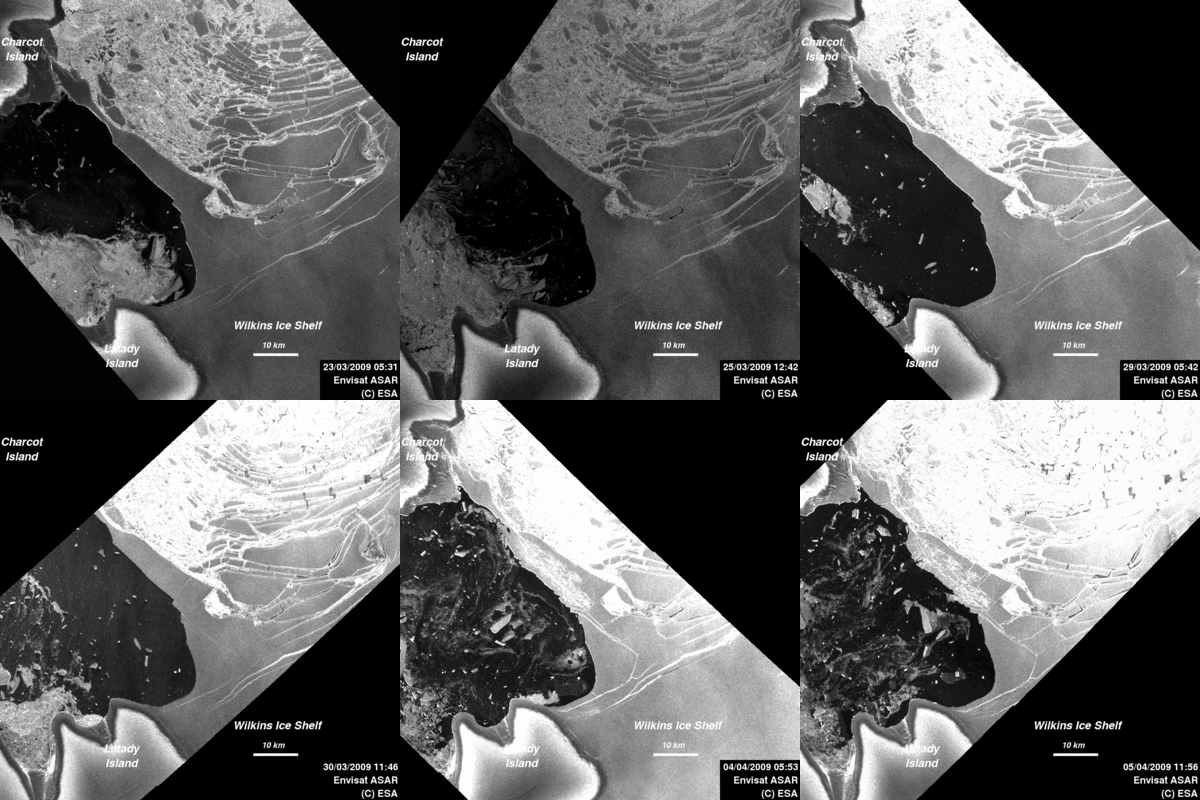
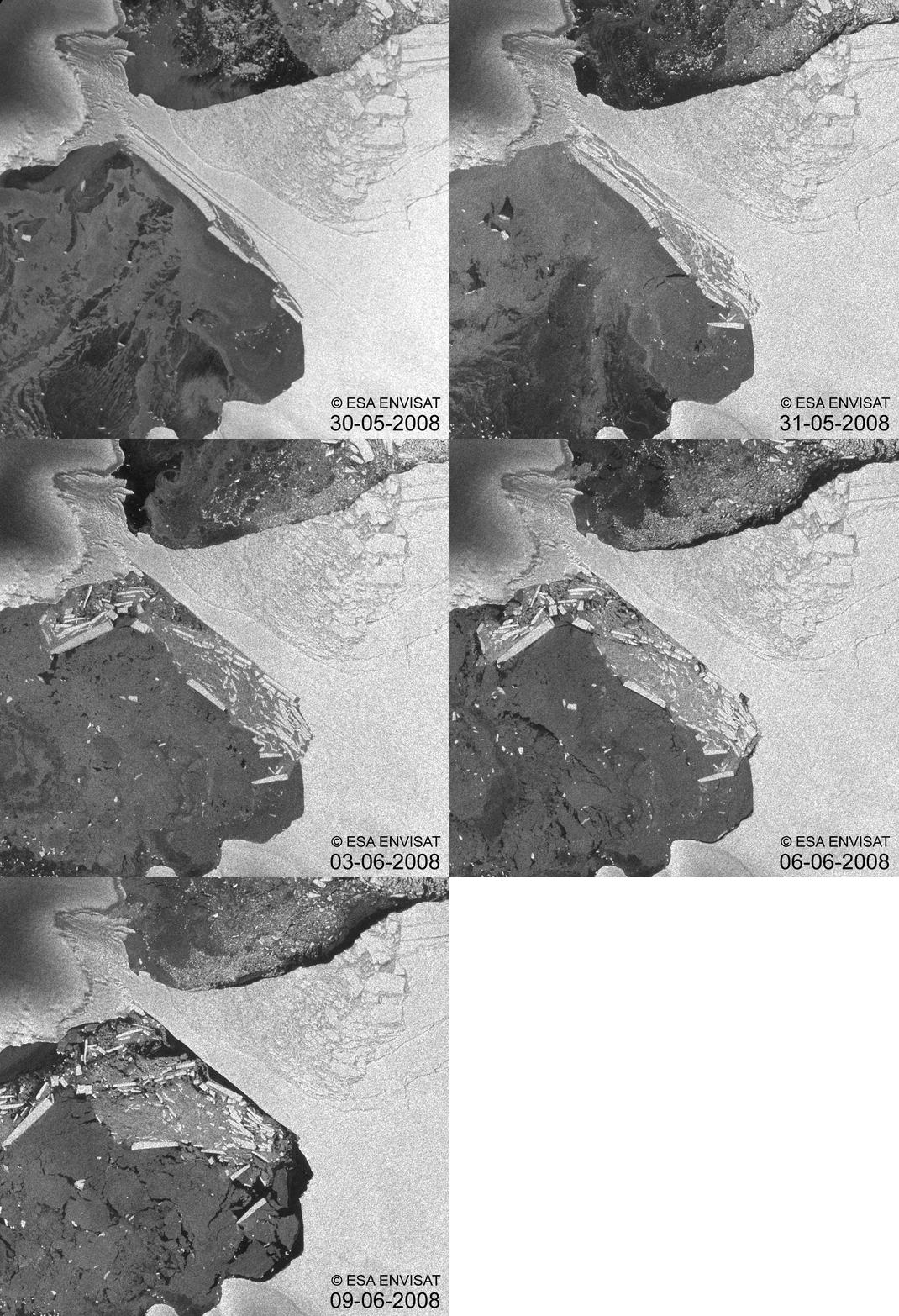
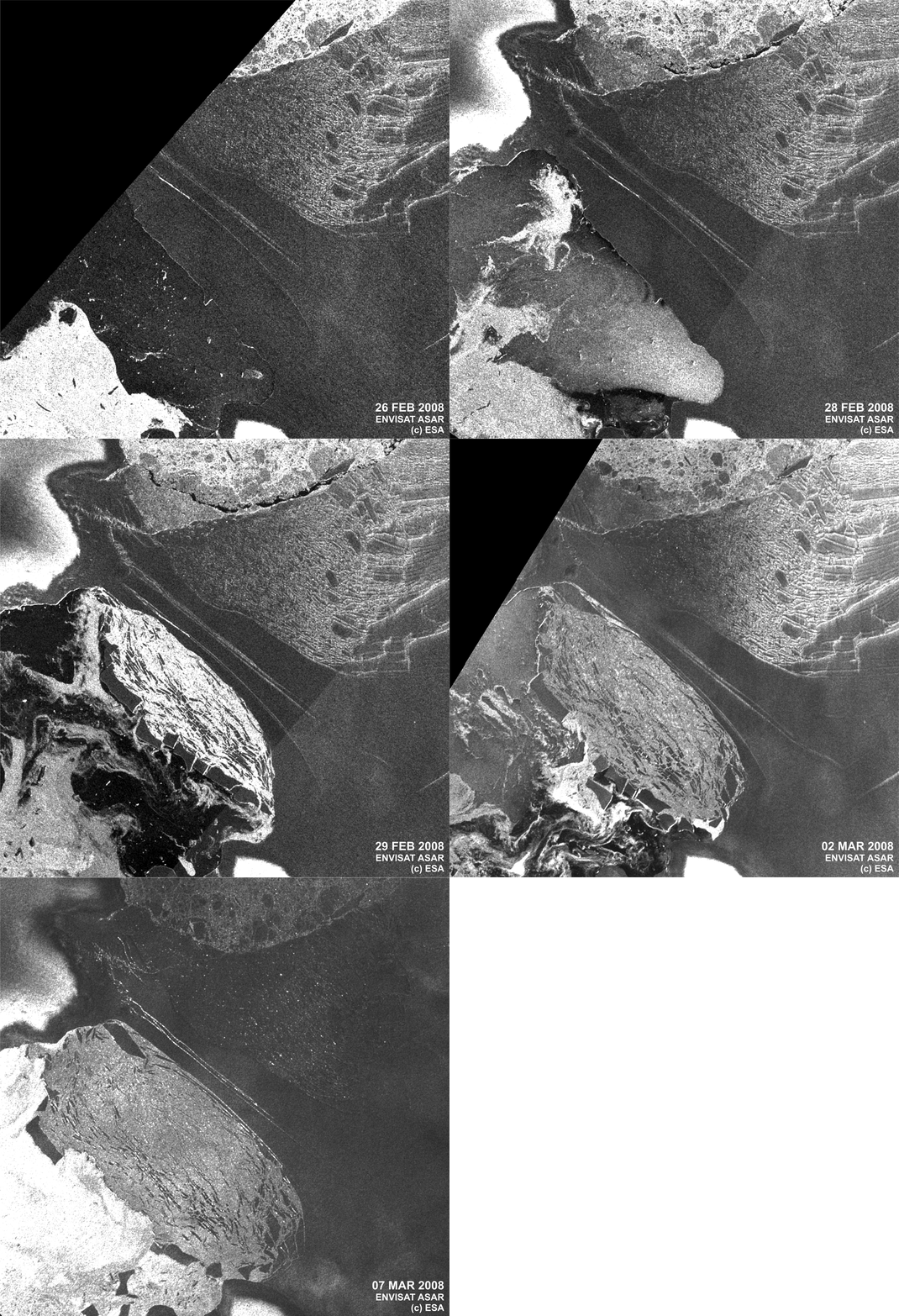
The Wilkins Ice Shelf, a broad plate of floating ice off the coast of the Antarctic Peninsula, has undergone many changes in 2008. Due to the warming in the Antarctic spring (late November), newly formed rifts were discovered that scientists predict could lead to the opening of the ice bridge that connects the ice shelf to two islands, Charcot and Latady.
If the ice bridge were to open, it could put the entire ice shelf at risk of disintegrating.
ESA’s Envisat acquires images of the ice shelf daily with its Advanced Synthetic Aperture Radar (ASAR) instrument. These images are updated automatically on the Wilkins 'Webcam' from Space web page and placed in an animation to allow visitors to spot changes between acquisitions. Individual images can also be viewed in the image archive (accessible from right navigation bar).