Three years of Proba, the 'smart' satellite that runs itself
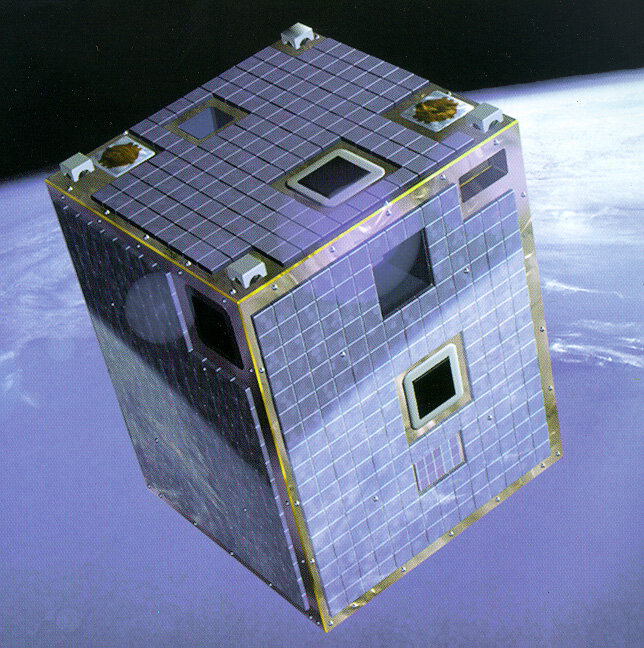
Today sees ESA's first ever microsatellite complete three years of successful operations. The size of a large television set, Proba was launched to demonstrate new technologies for future European spacecraft, but continues to provide fantastic images of Earth.

"It is amazing what we have got out of Proba, our first micro-satellite," says Frederic Teston, ESA's Proba Project Manager. "The mission has successfully demonstrated a number of sophisticated technologies in addition to new approaches in spacecraft construction and operations.
"It has 100% lived-up to its full name of 'Project for On-Board Autonomy' – for every day of the last three years the spacecraft performed onboard such functions as steering, navigation, target fly-by estimation and image capture. These are all functions that have to be handled from the ground for larger spacecraft.
"We just provide the latitude, longitude and altitude of a target site, and Proba will handle the rest. The onboard computer steers the spacecraft to the correct position, tilts it correctly, shoots and delivers the image."
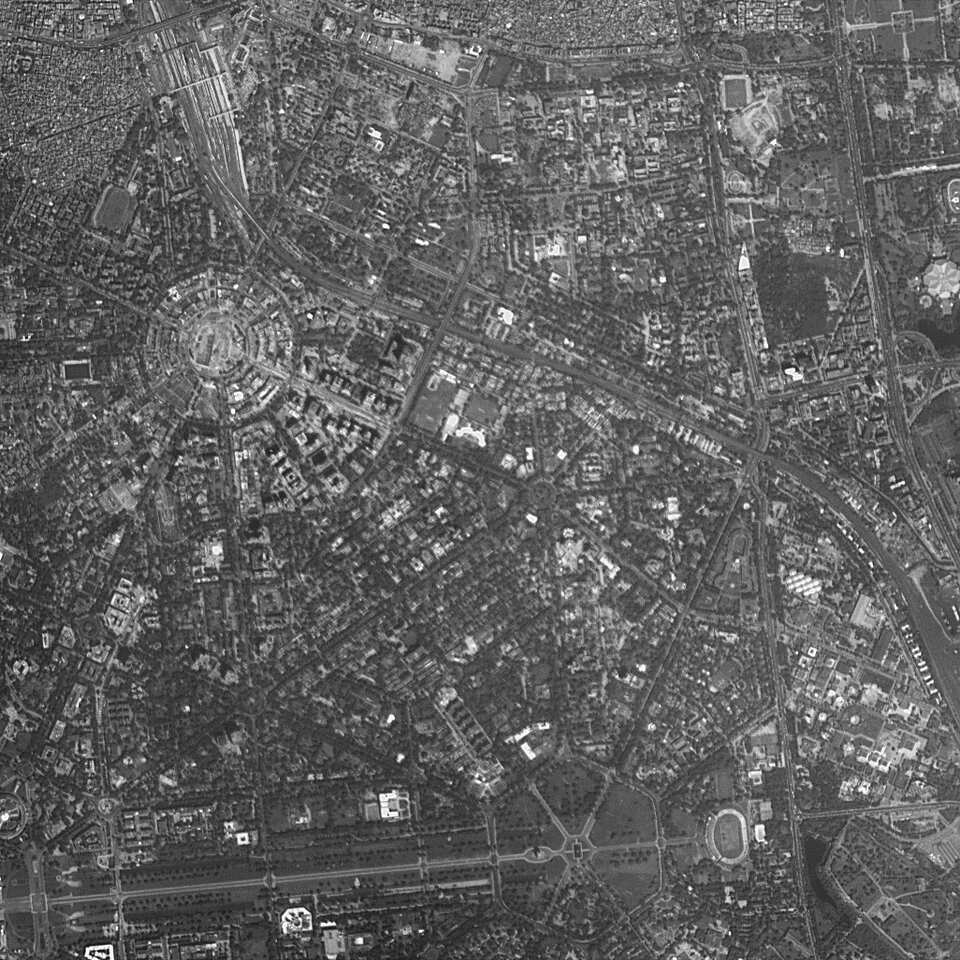
The thinking underpinning Proba is that tightly focused missions can be delivered in a short time frame useful to scientists - if the time taken from the original concept to launch and operation can be greatly reduced.
So to simplify its construction – as well as reducing costs - Proba was constructed as much as possible with existing off-the-shelf components, rather than customised space-hardened parts typical for satellites. The good news is that these systems have continued to work well throughout Proba's 1096 days in space.
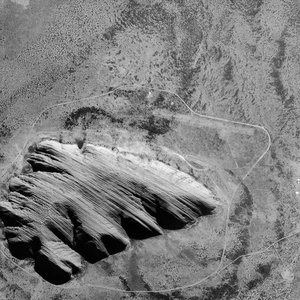
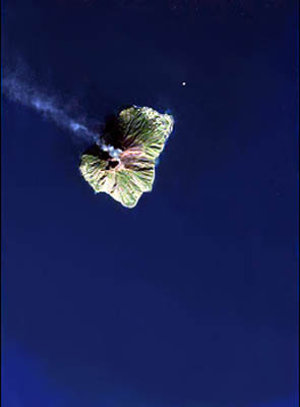
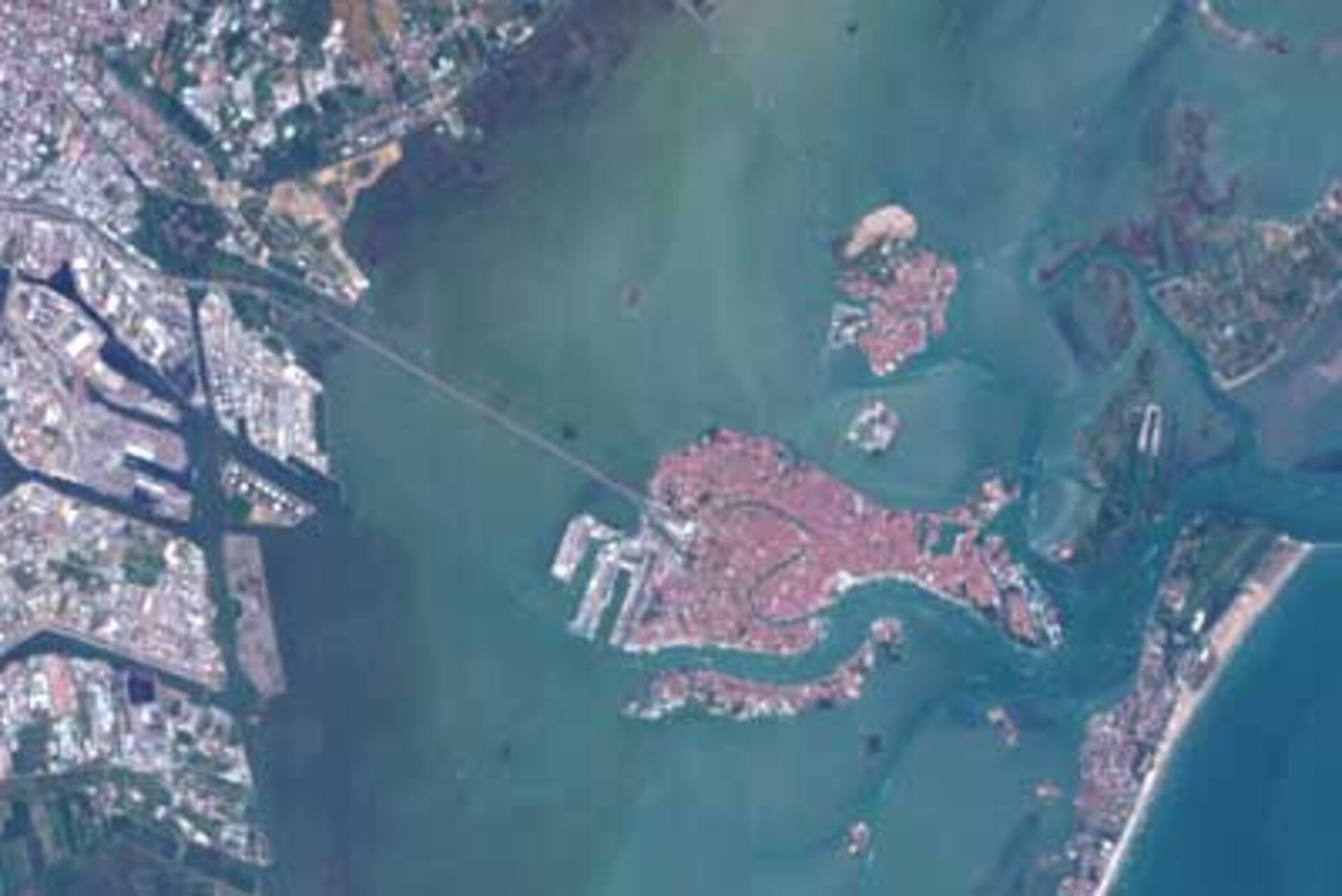
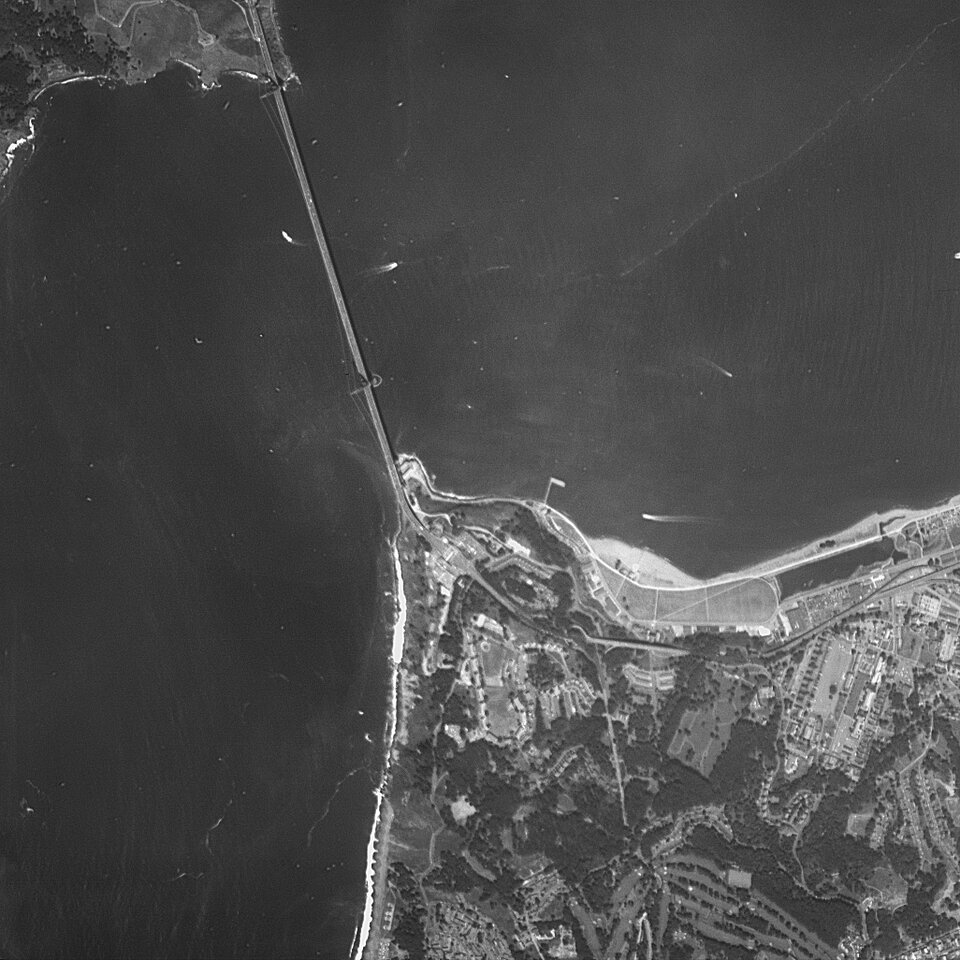
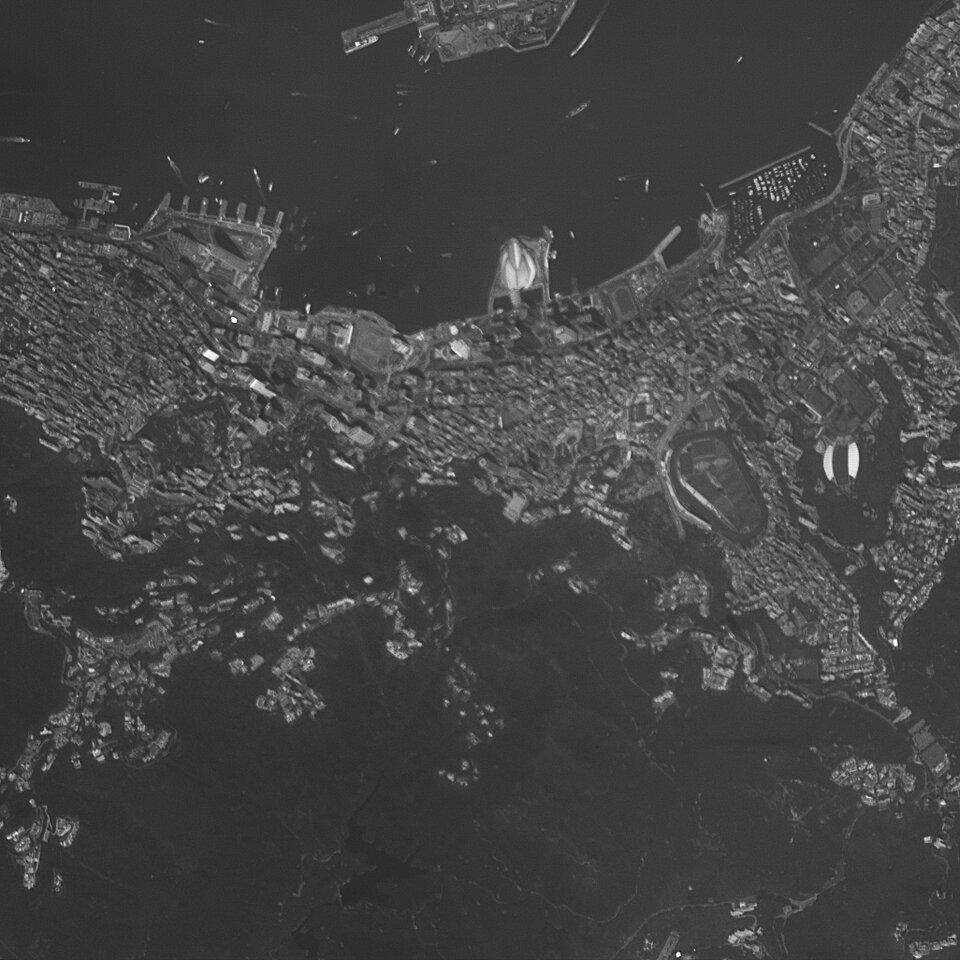
In polar orbit 600 kilometres above the Earth, each month Proba acquires around 300 images of about 60 separate sites. To date the spacecraft has provided more than 10 000 images from its two onboard imaging instruments: the Compact High Resolution Imaging Spectrometer (CHRIS) and the black and white High Resolution Camera (HRC).
Seeing the world in hyperspectral vision
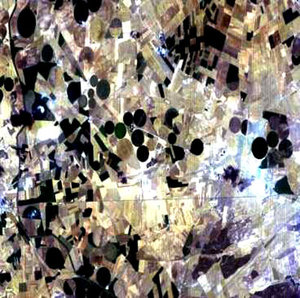
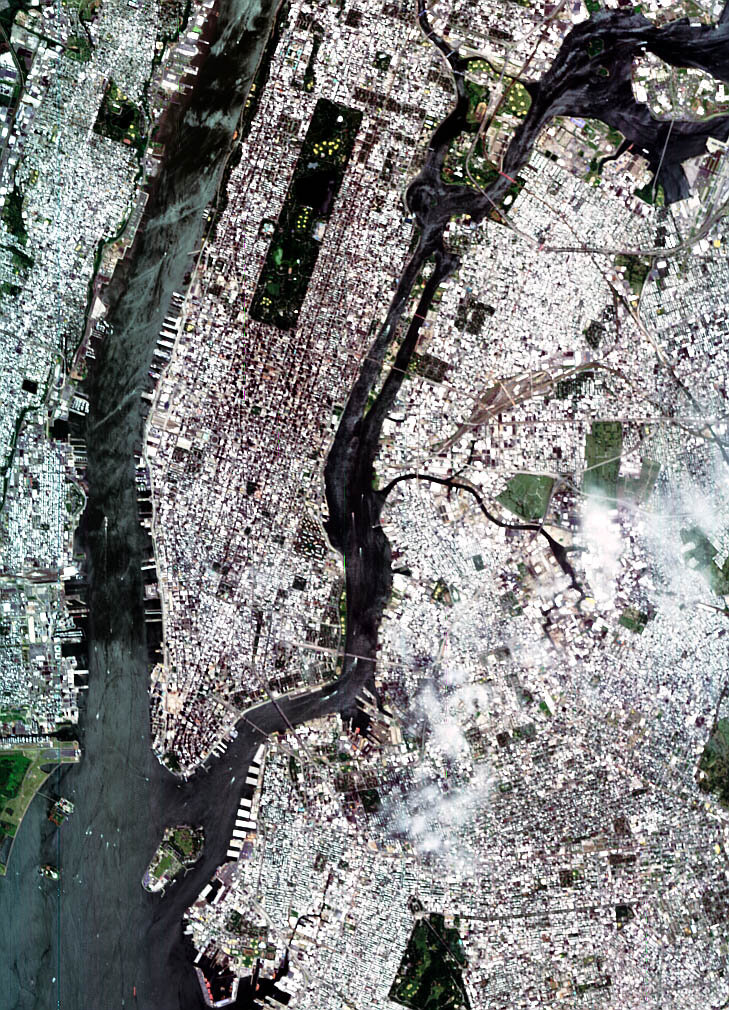
CHRIS is a compact hyperspectral imager that can return detailed data on the Earth's surface. It sees down to a resolution of 18 metres, in a combination of up to 19 out of a total of 62 spectral bands to provide added environmental information. And the same scene can be viewed from a variety of different angles because Proba is maneuverable enough to perform controlled pitch and roll.
That combined ability to retrieve hyperspectral and multi-angular data makes it especially useful for the study of land vegetation cover. It is also useful for studying the atmosphere and bodies of water. Around 60 scientific teams worldwide are now making use of CHRIS results.
Its high spatial resolution make its data especially useful as a 'bridge' between results from satellite instruments such as Envisat's Medium Resolution Imaging Spectrometer (MERIS) and aerial photography.
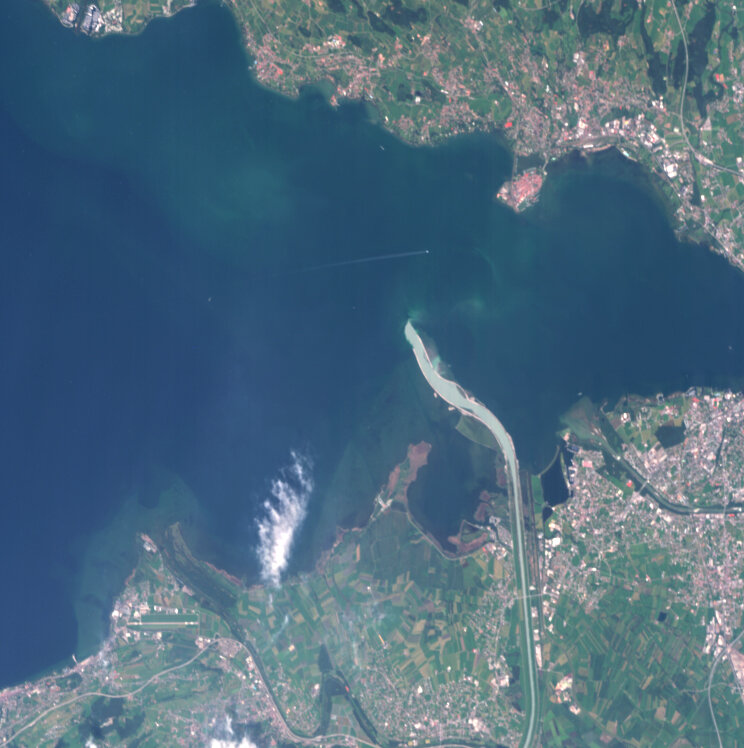
CHRIS data are being used to increase the accuracy of wetland monitoring as part of ESA's Globwetland project, supplying information on the environmental condition of these high-biodiversity areas in support of the international Ramsar Convention on Wetlands.
Images from the instrument are being utilised within projects for the ESA-China Dragon Programme, including the study of flood-prone areas. CHRIS images are being used to generate reference maps to be compared with crisis data in order to differentiate flooded areas from permanent water bodies. Chinese researchers have indicated their interest in other applications for the hyperspectral imager, such as mineral prospecting.
CHRIS acquisitions are being coordinated with the German fire-detecting satellite BIRD (Bi-Spectral Infrared Detection). CHRIS has been reacquiring sites of forest fires previously detected by BIRD to identify the extent of the burnt area and identify any vegetation regrowth, in order to study the long-term effects of the blazes.
In a related field, CHRIS images have also been acquired on behalf of the international Charter for Space and Major Disasters, an agreement to make space resources available to civil protection agencies responding to natural disasters.
And in the year to come, new planned scientific applications of CHRIS data include precision farming research in Germany, studying spectral reflectance of crop residues and soils in France, biodiversity monitoring in Africa, coastal area mapping in the south of Chile and archaeological projects in Spain.
Proba's additional payload
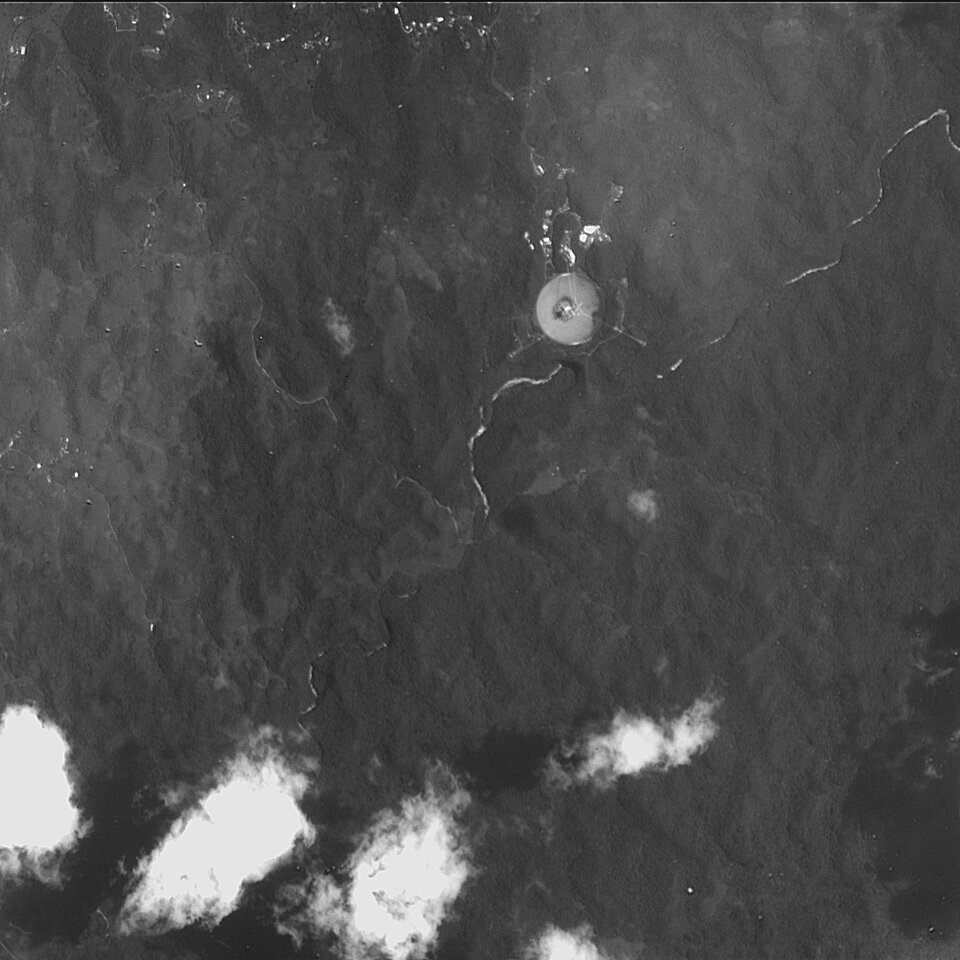
The other imager on board Proba is the compact HRC, which has an even higher spatial resolution of five metres, acquiring monochromatic images with an area of 25 square kilometres.
As well as studying the Earth, the spacecraft also returns data on its own immediate environment. Also aboard is a radiation detector called the Standard Radiation Environment Monitor (SREM), used to investigate the energetic particles responsible for the polar auroras, which during the last three years has made it possible to better model the radiation environment around Earth.
Another instrument in its payload is the Debris In-orbit Evaluator (DEBIE) which monitors tiny micrometeoroids or space debris between a centimeter to under a millimetre in diameter.
About Proba
Proba is a micro-satellite developed by ESA's General Support Technology Programme (GSTP) and built by an industrial consortium led by the Belgian company Verhaert, launched from India on 22 October 2001 and operated from ESA's Redu Ground Station in Belgium. Its CHRIS instrument, funded by the British National Space Centre (BNSC), has been built by the UK company SIRA Space.
Proba's unique capabilities also makes it a useful resource in the development of ESA's proposed SPECTRA (Surface Processes and Ecosystem Changes Through Response Analysis) mission, an Earth Explorer spacecraft intended to study terrestrial vegetation across the world's major biological communities or 'biomes'. If selected for development, SPECTRA would launch around 2012. Proba was intended as a one-year technology demonstration mission, but has since had its lifetime extended to serve as an Earth Observation mission.
A follow-on technology demonstrator called Proba-2 is due to be deployed by ESA by the end of 2006 or 2007 depending on the selected launch opportunity. As with its predecessor the new mission will prove new technologies and new products in orbit.
The system built around these developments is intended to support a Sun observation and plasma measurement mission. A new type of solar spectrometer combined with high spacecraft performance will provide for the first time, high-data rate imaging of the Sun.